My YouTube Channel Playlists: Mental Health

Mental Health YouTube Logo
Image © YouTube via Wikipedia and edited by Frank Parker

YouTube began in 2005, and most of you reading this are aware of it and have used it, or do use it often, unless you live on another planet!

I created my YouTube channel in 2006 and, sadly, I haven’t done much on it due to many personal and health reasons, mainly because of struggling with my Mental Health I planned to do more, I planned to get better confidence wise and content wise and then my life got in the way and shit happened and often, but now, in 2026, I am trying hard to rectify all that.  I can’t change the past, and I am not looking into the future, but right now, I am doing the best I can to make the present a better place to live in for my state of mind.  I take every day as it comes and working on My YouTube Channel and website are an important part of that for me.

The original videos I put up were about my favourite Football team Birmingham City, my beloved, and sadly missed, pets, Rocky and Rosie, a Black Country L.P. that was my Dad’s and one about fire! 

Since then, I added short videos to update the channel with more short and long website related content to come.

Below are all links to my History playlist and other playlists, blog posts, etc. 

To all my original subscribers, if you are still around THANK YOU so much for sticking with me, and if you are new, then THANK YOU equally as much for joining.

I hope you enjoy looking at my videos and if you do please like them, share them and subscribe. This means a lot to me and helps me grow my channel, which will only boost my confidence further.

Mental Health 

On this page is anything related to Mental Health.  Mental Health plays a huge part in my life and that is what these videos are about.  Hopefully, they will inspire and or motivate you or just help in any way possible.  The videos that are in its playlist below appear in other playlists and cover anything to do with Mental Health. 

Mental Health Playlist

Click here to directly see the list of videos in my Mental Health playlist via my YouTube channel.

The latest video from it is showing below. 

You can also view the full list of videos on this playlist by clicking on the three lines symbol showing in the top right of the video.  You can also see other options to click on at the bottom as well.

When you are there PLEASE SUBSCRIBE, PRESS THE BELL to be notified when a new video comes out and LIKE and SHARE this video.  It would mean a lot to me and THANK YOU in advance if you do any/all of the above.

The Latest Video In This Playlist

To find out more information about the video above, and to comment if you’d like to, then click on where it says YOUTUBE in the bottom right and that will take you directly to my YouTube channel.

PLEASE SUBSCRIBE, PRESS THE BELL to be notified when a new video comes out and LIKE and SHARE this video.  It would mean a lot to me and THANK YOU in advance if you do any/all of the above.

Blog Posts

Links

The image shown at the top is the copyright of YouTube and edited by Frank Parker.

YouTube on Facebook.

YouTube on X.

YouTube on Instagram.

YouTube

YouTube Logo
Image © YouTube via Wikipedia

YouTube began in 2005, and most of you reading this are aware of it and have used it, or do use it often, unless you live on another planet!

I created my YouTube channel in 2006 and, sadly, I haven’t done much on it due to many personal and health reasons, mainly because of struggling with my Mental Health. I planned to do more, I planned to get better confidence wise and content wise and then my life got in the way and shit happened and often, but now, in 2026, I am trying hard to rectify all that.  I can’t change the past, and I am not looking into the future, but right now, I am doing the best I can to make the present a better place to live in for my state of mind.  I take every day as it comes, and working on My YouTube Channel and website is an important part of that for me.

The original videos I put up were about my favourite Football team Birmingham City, my beloved, and sadly missed, pets, Rocky and Rosie, a Black Country L.P. that was my Dad’s and one about fire! 

I added some short videos more recently and plan to add more related content that tie in with my website a.s.ap.   You can see my channel here.  However, on this page, you can read all about the history of YouTube. 

About YouTube 

YouTube is an American online video sharing platform owned by Google and is headquartered in San Bruno, California, U.S.A.  YouTube was founded on February the 14th, 2005 and is the second-most-visited website in the world, after Google itself.  In January 2024, YouTube had more than 2.7 billion monthly active users, who collectively consumed more than one billion hours of video content every day.  As of May 2019, videos were being uploaded to the platform at a rate of more than 500 hours of content per minute, and as of mid-2024, there were approximately 14.8 billion videos in total.

On November, the 13th, 2006, YouTube was purchased by Google for 1.65 billion dollars (equivalent to 2.44 billion dollars in 2025).  Google expanded YouTube’s business model from generating revenue through advertisements alone to offering paid content such as movies and exclusive content explicitly produced for YouTube.  It also offers YouTube Premium, a paid subscription option for watching content without ads.  YouTube incorporated the Google AdSense program, generating more revenue for both YouTube and approved content creators.  In 2023, YouTube’s advertising revenue totalled $31.7 billion, a 2% increase from the $31.1 billion reported in 2022.  From financial quarter 4 2023 to financial quarter 2024, YouTube’s combined revenue from advertising and subscriptions exceeded $50 billion.

Since its purchase by Google, YouTube has expanded beyond the core website, creating mobile apps, network television, games, and the ability to link with other platforms.  Video categories on YouTube include music videos, video clips, news, short and feature films, songs, documentaries, movie trailers, teasers, TV spots, live streams, vlogs, and more.  Most content is generated by individuals, including collaborations between YouTubers and corporate sponsors.  Established media, news, and entertainment corporations have also created and expanded their visibility on YouTube channels to reach bigger audiences.

YouTube has had unprecedented social impact, influencing popular culture, internet trends, and creating multimillionaire celebrities.  Despite its growth and success, the platform has been criticised for its facilitation of the spread of misinformation and copyrighted content, routinely violating its users’ privacy, excessive censorship, endangering the safety of children and their well-being, and for its inconsistent implementation of platform guidelines.

YouTube Logo Used Since 2025
Image © YouTube via Wikipedia

YouTube’s logo, used since June 2024.

The YouTube logo was introduced in June 2024, using a custom font based on YouTube New typeface.  It is similar to the 2017 logo except that the font is thinner and the play button symbol uses a more pinky shade of red.  As of February 2026, this logo has almost rolled out completely.  The 2017 logo is still used in a few instances.

The History Of YouTube

Founding And Initial Growth (2005 – 2006)

YouTube was founded by Chad Hurley, Steve Chen and Jawed Karim.  They were former employees of PayPal.  They had become wealthy after Google’s acquisition of the company on November the 13th, 2006.   It was purchased for 1.65 billion dollars (equivalent to 2.44 billion dollars in 2025).  Hurley had studied design at the Indiana University of Pennsylvania, and Chen and Karim studied computer science together at the University of Illinois Urbana-Champaign.

According to a story that has often been repeated in the media, Hurley and Chen developed the idea for YouTube during the early months of 2005, after they had experienced difficulty sharing videos that had been shot at a dinner party at Chen’s flat in San Francisco.  Karim did not attend the party and denied that it had occurred, but Chen remarked that the idea that YouTube was founded after a dinner party that was probably very strengthened by marketing ideas around creating a very digestible story.

Karim said the inspiration for YouTube came from the Super Bowl XXXVIII half-time show controversy when Janet Jackson’s breast was briefly exposed by Justin Timberlake during the half-time show.  Karim could not easily find video clips of the incident and the 2004 Indian Ocean tsunami online, which led to the idea of a video-sharing site.  Hurley and Chen said that the original idea for YouTube was a video version of an online dating service and had been influenced by the website Hot or Not.  They created posts on Craigslist asking attractive women to upload videos of themselves to YouTube in exchange for a $100 reward.  Difficulty in finding enough dating videos led to a change of plans, with the site’s founders deciding to accept uploads of any video.

YouTube began as a venture capital–funded technology startup. Between November 2005 and April 2006, the company raised money from various investors, with Sequoia Capital and Artis Capital Management being the largest two.  YouTube’s early headquarters were situated above a pizzeria and a Japanese restaurant in San Mateo, California.  In February 2005, the company registered www.youtube.com. The first video was uploaded on April the 23rd, 2005.  Titled Me at the zoo, it shows co-founder Jawed Karim at the San Diego Zoo and can still be viewed on the site.  The same day, the company launched a public beta and by November, a Nike ad featuring Ronaldinho became the first video to reach one million total views.  The site exited beta in December 2005, by which time the site was receiving 8 million views a day.  Clips at the time were limited to 100 megabytes, as little as 30 seconds of footage.

YouTube was not the first video-sharing site on the Internet, there was also Vimeo.  That was founded in November 2004, though that site remained a side project of its developers from CollegeHumor.  On December, the 17th, 2005, the same week YouTube exited beta, NBCUniversal Saturday Night Live ran a sketch called Lazy Sunday by The Lonely Island.  Besides helping to bolster ratings and long-term viewership for Saturday Night Live, the video‘s status as an early viral video helped establish YouTube as an important website.  Unofficial uploads of the skit to YouTube drew in more than five million collective views by February 2006 before they were removed when NBCUniversal requested it two months later based on copyright concerns.  Despite eventually being taken down, these duplicate uploads of the skit helped popularise YouTube’s reach and led to the upload of more third-party content.  The site grew rapidly.  In July 2006, the company announced that more than 65,000 new videos were being uploaded every day and that the site was receiving 100 million video views per day.

The choice of the name youtube.com led to problems for a similarly named website, utube.com.  That site’s owner, Universal Tube & Rollform Equipment (Universal Tube), filed a lawsuit against YouTube in November 2006, after being regularly overloaded by people looking for YouTube.  Universal Tube subsequently changed its website to www.utubeonline.com. 

Chad Hurley
Image © The Bui Brothers via Wikipedia

Chad Hurley.

Steve Chen
Image © TaiwanPlus via Wikipedia

Steve Chen.

Jawed Karim
Image © Robin Brown via Wikipedia and is in the public domain

Jawed Karim.

Original YouTube Logo Used Until 2007
Image © YouTube via Wikipedia and is in the public domain

The YouTube logo used from its launch until 2007.

It returned in 2008 before being removed again in 2010. Another version without “Broadcast Yourself” was used until 2011.

Broadcast Yourself Era (2006 – 2013)

On October the 9th, 2006, Google announced that they had acquired YouTube for 1.65 billion dollars in Google stock.  The deal was finalised on November the 13th, 2006.  Google’s acquisition launched newfound interest in video-sharing sites IAC, which now owned Vimeo, focused on supporting the content creators to distinguish itself from YouTube.  It was at this time that YouTube adopted the slogan Broadcast Yourself.  The company experienced rapid growth. The Daily Telegraph wrote that in 2007, YouTube consumed as much bandwidth as the entire Internet in 2000.  By 2010, the company had reached a market share of around 43% and more than 14 billion views of videos, according to comScore.  That year, the company simplified its interface to increase the time users would spend on the site.

In 2011, more than three billion videos were being watched each day with 48 hours of new videos uploaded every minute.  Most of these views came from a relatively small number of videos, according to a software engineer at that time, 30% of videos accounted for 99% of views on the site.  That year, the company again changed its interface and at the same time, introduced a new logo with a darker shade of red.  A subsequent interface change, designed to unify the experience across desktop, T.V., and mobile, was rolled out in 2013.  By that point, more than 100 hours were being uploaded every minute, increasing to 300 hours by November 2014.

During that time, the company also went through some organisational changes.  In October 2006, YouTube moved to a new office in San Bruno, California.  Hurley announced that he would be stepping down as chief executive officer of YouTube to take an advisory role and that Salar Kamangar would take over as head of the company in October 2010.  In April 2009, YouTube partnered with Vevo.  In April 2010, Lady Gaga’s Bad Romance became the most-viewed video, becoming the first video to reach 200 million views on May the 9th, 2010.

YouTube faced a major lawsuit by Viacom International in 2011 that nearly resulted in the discontinuation of the website.  The lawsuit was filed due to alleged copyright infringement of Viacom’s material by YouTube.  However, the United States Court of Appeals for the Second Circuit ruled that YouTube was not liable, and thus, YouTube won the case in 2012.

901 Cherry Avenue, San Bruno, California
Image © Coolcaesar via Wikipedia and is in the public domain

YouTube’s headquarters at 901 Cherry Avenue, San Bruno, California in April 2017.

Susan Wojcicki’s Leadership (2014 – 2023)

Susan Wojcicki was appointed C.E.O. of YouTube in February 2014.  In January 2016, YouTube expanded its headquarters in San Bruno by purchasing an office park for $215 million.  The complex has 51,468 square metres (554,000 square feet) of space and can house up to 2,800 employees.  YouTube officially launched the polymer redesign of its user interfaces based on Material Design language as its default, as well as a redesigned logo that is built around the service’s play button emblem in August 2017.

Through this period, YouTube tried several new ways to generate revenue beyond advertisements.  In 2013, YouTube launched a pilot program for content providers to offer premium, subscription-based channels.  This effort was discontinued in January 2018 and relaunched in June, with $4.99 channel subscriptions.  These channel subscriptions complemented the existing Super Chat ability, launched in 2017, which allows viewers to donate between $1 and $500 to have their comment highlighted.  In 2014, YouTube announced a subscription service known as Music Key, which bundled ad-free streaming of music content on YouTube with the existing Google Play Music service.  The service continued to evolve in 2015 when YouTube announced YouTube Red, a new premium service that would offer ad-free access to all content on the platform (succeeding the Music Key service released the previous year), premium original series, and films produced by YouTube personalities, as well as background playback of content on mobile devices.  YouTube also released YouTube Music, a third app oriented towards streaming and discovering the music content hosted on the YouTube platform.

The company also attempted to create products appealing to specific viewers.  YouTube released a mobile app known as YouTube Kids in 2015, which was designed to provide an experience optimised for children.  It features a simplified user interface, curated selections of channels featuring age-appropriate content, and parental control features.  Also in 2015, YouTube launched YouTube Gaming.  This is a video gaming-oriented vertical and app for videos and live-streaming, intended to compete with the Amazon.com owned Twitch.  In April 2018, a shooting occurred at YouTube’s headquarters in San Bruno, California, which wounded four and resulted in the death of the shooter.

By February 2017, one billion hours of YouTube videos were being watched every day, and 400 hours worth of videos were uploaded every minute.  Two years later, the uploads had risen to more than 500 hours per minute.  During COVID, when most of the world was under stay-at-home orders, usage of services like YouTube significantly increased.  Forbes estimated that YouTube accounted for 16% of all internet traffic, as of 2024, up from 11% in 2018, before COVID.  In response to E.U. officials requesting that such services reduce bandwidth to make sure medical entities had sufficient bandwidth to share information, YouTube and Netflix said they would reduce streaming quality for at least thirty days as to cut bandwidth use of their services by 25% to comply with the E.U.’s request.  YouTube later announced that they would continue with this move worldwide saying “We continue to work closely with governments and network operators around the globe to do our part to minimise stress on the system during this unprecedented situation.”

After a 2018 complaint alleging violations of the Children’s Online Privacy Protection Act (C.O.P.P.A.), the company was fined $170 million by the FTC for collecting personal information from minors under the age of 13.  YouTube was also ordered to create systems to increase children’s privacy.  Following criticisms of its implementation of those systems, YouTube started treating all videos designated as made for kids as liable under C.O.P.P.A. on January the 6th, 2020.  Joining the YouTube Kids app, the company created a supervised mode, designed more for tweens, in 2021.  Additionally, to compete with TikTok and Instagram Reels, YouTube released YouTube Shorts, a short-form video platform.  During that period, YouTube entered disputes with other tech companies.  For over a year, in 2018/ 19, no YouTube app was available for Amazon Fire products.  In 2020, Roku removed the YouTube TV app from its streaming store after the two companies were unable to reach an agreement.

After testing earlier in 2021, YouTube removed public display of dislike counts on videos in November 2021, claiming the reason for the removal was, based on its internal research, that users often used the dislike feature as a form of cyberbullying and brigading.  While some users praised the move as a way to discourage trolls, others felt that hiding dislikes would make it harder for viewers to recognise clickbait or unhelpful videos and that other features already existed for creators to limit bullying.  YouTube co-founder Jawed Karim referred to the update as a stupid idea and said that the real reason behind the change was not a good one, and not one that will be publicly disclosed.  He felt that users’ ability on a social platform to identify harmful content was essential, saying that the process works, and there’s a name for it –  the wisdom of the crowds.  He said the process breaks when the platform interferes with it and then, the platform invariably declines.  Shortly after the announcement, software developer Dmitry Selivanov created Return YouTube Dislike, an open-source, third-party browser extension for Chrome and Firefox that allows users to see a video’s number of dislikes.  In a letter published on January the 25th, 2022, by then YouTube C.E.O. Susan Wojcicki, acknowledged that removing public dislike counts was a controversial decision, but reiterated that she stands by this decision, claiming that it reduced dislike attacks.

In 2022, YouTube launched an experiment where the company would show users who watched longer videos on T,V,’s a long chain of short unskippable adverts, intending to consolidate all ads into the beginning of a video.  Following public outrage over the unprecedented amount of unskippable ads, YouTube ended the experiment on September the 19th of the same year.  In October, YouTube announced that they would be rolling out customisable user handles in addition to channel names, which would also become channel U.R.L’s.

YouTube Logo Used Since 2025
Image © YouTube via Wikipedia and is in the public domain

YouTube’s logo from 2015 until 2017.

Neal Mohan’s Leadership (2023 – Present)

On February the 16th, 2023, Wojcicki announced that she would step down as C.E.O., with Neal Mohan named as her successor.  Wojcicki took on an advisory role for Google and parent company Alphabet.  Wojcicki died a year and a half later from non-small-cell lung cancer, on August the 9th, 2024.  In late October 2023, YouTube began cracking down on the use of ad blockers on the platform.  Users of ad blockers may be given a pop-up warning saying “Video player will be blocked after 3 videos.” Users of ad blockers are shown a message asking them to allow ads or inviting them to subscribe to the ad-free YouTube Premium subscription plan.  YouTube says that the use of ad blockers violates its terms of service.  In April 2024, YouTube announced it would be strengthening their enforcement on third-party apps that violate YouTube’s Terms of Service, specifically ad-blocking apps.  Starting in June 2024, Google Chrome announced that it would be replacing Manifest V2 in favour of Manifest V3, effectively killing support for most ad-blockers.  Around the same time, YouTube started using server-side ad injection, which allows the platform to inject the ads directly into the video, instead of having the ad as a separate file which can be blocked.

In September 2023, YouTube announced an in-app gaming platform called Playables.  It was made accessible to all users in May 2024, expanding from an initial offering limited to premium subscribers.  In December 2024, YouTube began testing a new multiplayer feature for that service, supporting multiplayer functionality across desktop and mobile devices.  As of December 2024, the Playables catalogue has over 130 games in various genres, including trivia, action, and sports.  In December 2024, YouTube introduced new guidelines prohibiting videos with clickbait titles to enhance content quality and combat misinformation.  The platform aims to penalise creators using misleading or sensationalised titles, with potential actions including video removal or channel suspension.  According to YouTube, this guideline will gradually roll out in India first, but will expand to more countries in the coming months.

On February, the 14th, 2025, YouTube celebrated 20 years since its founding.  On July 30, 2025, amid the implementation of the Online Safety Act 2023 in the United Kingdom, Google announced that it would begin to enforce age assurance policies for selected users in the United States as a trial.  Machine learning will be used to determine the age of the user (regardless of any account information indicating their age) and restrict access to certain content and features across all Google properties, including YouTube (including, in particular, disabling personalised advertising and enabling certain digital wellbeing limits), if they are assumed to be under 18.  On YouTube, this will be based on factors such as searches and video history, and the age of the account.  The user must go through age verification via payment, scanned ID, or selfie to access all features if they are detected to be a minor.  On April, the 9th, 2025, YouTube expressed support for the NO FAKES Act of 2025, introduced by Senator Chris Coons (D-DE) and Senator Marsha Blackburn (R-TN), and announced an expansion of its pilot program that is designed to identify content generated by A.I.

YouTube's Logo From August 2017 Until February 2025
Image © YouTube via Wikipedia and is in the public domain

YouTube’s logo from August 2017 until February 2025.

YouTube Features

YouTube offers different features based on user verification, such as standard or basic features like uploading videos, creating playlists, and using YouTube Music, with limits based on daily activity (verification via phone number or channel history increases feature availability and daily usage limits), intermediate or additional features like longer videos (over 15 minutes), live-streaming, custom thumbnails, and creating podcasts, advanced features like content I.D. appeals, embedding live streams, applying for monetisation, clickable links, adding chapters, and pinning comments on videos or posts.

Read more here.

YouTube Videos

In January 2012, it was estimated that visitors to YouTube spent an average of 15 minutes a day on the site, in contrast to the four or five hours a day spent by a typical U.S. citizen watching television.  In 2017, viewers on average watched YouTube on mobile devices for more than an hour every day.  In December 2012, two billion views were removed from the view counts of Universal and Sony Music videos on YouTube, prompting a claim by The Daily Dot that the views had been deleted due to a violation of the site’s terms of service, which ban the use of automated processes to inflate view counts.  That was disputed by Billboard, which said that the two billion views had been moved to Vevo, since the videos were no longer active on YouTube.

On August, the 5th, 2015, YouTube patched the formerly notorious behaviour, which caused a video’s view count to freeze at 301 (later 301+) until the actual count was verified to prevent view count fraud.  YouTube view counts again began updating in real time.  Since September 2019, subscriber counts are abbreviated.  Only three leading digits of channels’ subscriber counts are indicated publicly, compromising the function of third-party real-time indicators such as Social Blade.  Exact counts remain available to channel operators inside YouTube Studio.

On November, the 11th, 2021, after testing out this change in March of the same year, YouTube announced it would start hiding dislike counts on videos, making them invisible to viewers.  The company stated the decision was in response to experiments which confirmed that smaller YouTube creators were more likely to be targeted in dislike brigading and harassment.  Creators will still be able to see the number of likes and dislikes in the YouTube Studio dashboard tool, according to YouTube.  YouTube has an estimated 14.8 billion videos with about 4% of those never having a view.  Just over 85% have fewer than 1,000 views.

Read more here.

Copyright Issues

YouTube has faced numerous challenges and criticisms in its attempts to deal with copyright, including the site’s first viral video, Lazy Sunday, which had to be taken down due to copyright concerns.  At the time of uploading a video, YouTube users are shown a message asking them not to violate copyright laws.  Despite this advice, many unauthorised clips of copyrighted material remain on YouTube.  YouTube does not view videos before they are posted online, and it is left to copyright holders to issue a D.M.C.A. takedown notice pursuant to the terms of the Online Copyright Infringement Liability Limitation Act.  Any successful complaint about copyright infringement results in a YouTube copyright strike.  Three successful complaints for copyright infringement against a user account will result in the account and all of its uploaded videos being deleted.   From 2007 to 2009 organisations including Viacom, Mediaset, and the English Premier League have filed lawsuits against YouTube, claiming that it has done too little to prevent the uploading of copyrighted material.

In August 2008, a U.S. court ruled in Lenz v. Universal Music Corp. that copyright holders cannot order the removal of an online file without first determining whether the posting reflected fair use of the material.  YouTube’s owner Google announced in November 2015 that they would help cover the legal cost in select cases where they believe fair use defences apply.  In the 2011 case of Smith v. Summit Entertainment LLC, professional singer Matt Smith sued Summit Entertainment for the wrongful use of copyright takedown notices on YouTube.  He asserted seven causes of action, and four were ruled in Smith’s favour.  In April 2012, a court in Hamburg ruled that YouTube could be held responsible for copyrighted material posted by its users.  On November, the 1st, 2016, the dispute with G.E.M.A. was resolved, with Google content I.D. being used to allow advertisements to be added to videos with content protected by G.E.M.A.

In April 2013, it was reported that Universal Music Group and YouTube have a contractual agreement that prevents content blocked on YouTube by a request from U.M.G. from being restored, even if the uploader of the video files a D.M.C.A. counter-notice.  As part of YouTube Music, Universal and YouTube signed an agreement in 2017, which was followed by separate agreements other major labels, which gave the company the right to advertising revenue when its music was played on YouTube.  By 2019, creators were having videos taken down or demonetised when Content I.D. identified even short segments of copyrighted music within a much longer video, with different levels of enforcement depending on the record label.  Experts noted that some of these clips said qualified for fair use.

Read more here and here.

Content I.D.

In June 2007, YouTube began trials of a system for automatic detection of uploaded videos that infringe copyright.  Google C.E.O. Eric Schmidt regarded this system as necessary for resolving lawsuits such as the one from Viacom, which alleged that YouTube profited from content that it did not have the right to distribute.  The system, which was initially called Video Identification and later became known as Content I.D., creates an I.D. File for copyrighted audio and video material, and stores it in a database.  When a video is uploaded, it is checked against the database, and flags the video as a copyright violation if a match is found.  When this occurs, the content owner has the choice of blocking the video to make it unviewable, tracking the viewing statistics of the video, or adding advertisements to the video.

An independent test in 2009 uploaded multiple versions of the same song to YouTube and concluded that while the system was surprisingly resilient in finding copyright violations in the audio tracks of videos, it was not infallible.  The use of Content I.D. to remove material automatically has led to controversy in some cases, as the videos have not been checked by a human for fair use.  If a YouTube user disagrees with a decision by Content I.D., it is possible to fill in a form disputing the decision.  Before 2016, videos were not monetised until the dispute was resolved.  Since April 2016, videos continue to be monetised while the dispute is in progress, and the money goes to whoever won the dispute.  Should the uploader want to monetise the video again, they may remove the disputed audio in the Video Manager.  YouTube has cited the effectiveness of Content I.D. as one of the reasons why the site’s rules were modified in December 2010 to allow some users to upload videos of unlimited length.

Read more here.

Russia

In 2021, two accounts linked to RT DE, the German channel of the Russian state-owned RT network, were removed for breaching YouTube’s policies relating to COVID.  Russia threatened to ban YouTube after the platform deleted two German RT channels in September 2021.  Shortly after the Russian invasion of Ukraine in 2022, YouTube removed all channels funded by the Russian state.  YouTube expanded the removal of Russian content from its site to include channels described as pro-Russian.  In June 2022, the War Gonzo channel run by Russian military blogger and journalist Semyon Pegov was deleted.

In July 2023, YouTube removed the channel of British journalist Graham Phillips, active in covering the war in Donbas from 2014.  In August 2023, a Moscow court fined Google 3 million rubles, around $35,000, for not deleting what it said was fake news about the war in Ukraine.  In October 2024, a Russian court fined Google 2 undecillion rubles (equivalent to $20 decillion) for restricting Russian state media channels on YouTube.  State news agency TASS reported that Google is allowed to return to the Russian market only if it complies with the court’s decision.  Kremlin spokesperson Dmitry Peskov labelled the court decision as symbolic and warned Google that it should not be restricting the actions of their broadcasters on its platform.

April Fools Gags

YouTube featured an April Fools’ prank on the site on April the 1st of every year from 2008 to 2016.  In 2008, all links to videos on the main page were redirected to Rick Astley’s music video Never Gonna Give You Up, a prank known as rick rolling.  The next year, when clicking on a video on the main page, the whole page turned upside down, which YouTube claimed was a new layout.  In 2010, YouTube temporarily released a TEXTp mode which rendered video imagery into A.S.C.I.I. art letters in order to reduce bandwidth costs by $1 per second.

The next year, the site celebrated its 100th anniversary with a range of sepia-toned silent, early 1900’s style films, including a parody of Keyboard Cat.  In 2012, clicking on the image of a D.V.D. next to the site logo led to a video about a purported option to order every YouTube video for home delivery on D.V.D.   In 2013, YouTube teamed up with satirical newspaper company The Onion to claim in an uploaded video that the video-sharing website was launched as a contest which had finally come to an end, and would shut down for ten years before being re-launched in 2023, featuring only the winning video.  The video starred several YouTube celebrities, including Antoine Dodson.  A video of two presenters announcing the nominated videos streamed live for 12 hours.

In 2014, YouTube announced that it was responsible for the creation of all viral video trends, and revealed previews of upcoming trends, such as Clocking, Kissing Dad, and Glub Glub Water Dance.  The next year, YouTube added a music button to the video bar that played samples from Sandstorm by Darude.  In 2016, YouTube introduced an option to watch every video on the platform in 360-degree mode with Snoop Dogg.

Read more here

YouTube Services

YouTube Premium

YouTube Premium (formerly Music Key and YouTube Red) is YouTube’s premium subscription service.  It offers advertising-free streaming, access to original programming, and background and offline video playback on mobile devices.  YouTube Premium was originally announced on November the 12th, 2014, as Music Key, a subscription music streaming service, and was intended to integrate with and replace the existing Google Play Music All Access service.  On October, the 28th, 2015, the service was relaunched as YouTube Red, offering ad-free streaming of all videos and access to exclusive original content.  As of November 2016, the service has 1.5 million subscribers, with a further million on a free-trial basis.  As of June 2017, the first season of YouTube Originals had received 250 million views in total.

Read more here.

YouTube's Premium Logo In 2024
Image © YouTube via Wikipedia and is in the public domain

YouTube’s Premium logo in 2024.

YouTube Kids

YouTube Kids is an American children’s video app developed by YouTube, a subsidiary of Google.  The app was developed in response to parental and government scrutiny on the content available to children.  The app provides a version of the service oriented towards children, with curated selections of content, parental control features, and filtering of videos deemed inappropriate viewing for children aged under 13, 8 or 5, depending on the age grouping chosen.  First released on February the 15th, 2015, as an Android and iOS mobile app, the app has since been released for LG, Samsung, and Sony smart T.V.’s, as well as for Android TV.  On May, the 27th, 2020, it became available on Apple TV.  As of September 2019, the app is available in 69 countries, including Hong Kong and Macau, and one province.  YouTube launched a web-based version of YouTube Kids on August the 30th, 2019.

Read more here.

YouTube's Kids Logo In 2019
Image © YouTube via Wikipedia and is in the public domain

YouTube’s Kids logo in 2024.

YouTube Music

On September, the 28th, 2016, YouTube named Lyor Cohen, the co-founder of 300 Entertainment and former Warner Music Group executive, the Global Head of Music.  In early 2018, Cohen began hinting at the possible launch of YouTube’s new subscription music streaming service, a platform that would compete with other services such as Spotify and Apple Music.  On May, the 22nd, 2018, the music streaming platform named YouTube Music was launched for people who mostly listen to music on YouTube.

Read more here.

YouTube's Music Logo In 2024
Image © YouTube via Wikipedia and is in the public domain

YouTube’s Music logo in 2024.

YouTube Movies & TV

YouTube Movies & TV is a video on demand (V.O.D.) service that offers movies and television shows for purchase or rental, depending on availability, along with a selection of movies (encompassing between 100 and 500 titles overall) that are free to stream, with interspersed ad breaks.  YouTube began offering free-to-view movie titles to its users in November 2018.  Selections of new movies are added and others removed, unannounced each month.  In March 2021, Google announced plans to gradually deprecate the Google Play Movies & TV app, and eventually migrate all users to the YouTube app’s Movies & TV store to view, rent and purchase movies and T.V. shows (first affecting Roku, Samsung, LG, and Vizio smart TV users on July the 15th).  Google Play Movies & TV formally shut down on January the 17th, 2024, with the web version of that platform migrated to YouTube as an expansion of the Movies & T.V. store to desktop users.  Other functions of Google Play Movies & TV were integrated into the Google TV service.

Read more here.

YouTube Primetime Channels

On November the 1st, 2022, YouTube launched Primetime Channels, a channel store platform offering third-party subscription streaming add-ons sold a la carte through the YouTube website and app, competing with similar subscription add-on stores operated by Apple, Prime Video and Roku.  The add-ons can be purchased through the YouTube Movies & TV hub or through the official YouTube channels of the available services.  Subscribers of YouTube TV add-ons that are sold through Primetime Channels can also access their content via the YouTube app and website.  A total of 34 streaming services (including Paramount+, Showtime, Starz, MGM+, AMC+ and ViX+) were initially available for purchase.

NFL Sunday Ticket, as part of a broader residential distribution deal with Google signed in December 2022 that also made it available to YouTube TV subscribers, was added to Prime-time Channels as a standalone add-on on August the 16th, 2023.  The ad-free tier of Max was added to Prime-time Channels on December the 12th, 2023, coinciding with YouTube TV converting its separate HBO (for base plan subscribers) and HBO Max (for all subscribers) linear/V.O.D. add-ons into a single combined Max offering.

Read more here.

YouTube TV

On February, the 28th, 2017, in a press announcement held at YouTube Space Los Angeles, YouTube announced YouTube TV, an over-the-top M.V.P.D.-style subscription service that would be available for United States customers for $65 per month.  Initially launching in five major markets (New York City, Los Angeles, Chicago, Philadelphia and San Francisco) on April the 5th, 2017, the service offers live streams of programming from the five major broadcast networks (ABC, CBS, The CW, Fox and NBC, along with selected MyNetworkTV affiliates and independent stations in certain markets), as well as approximately 60 cable channels owned by companies such as The Walt Disney Company, Paramount Global, Fox Corporation, NBCUniversal, Allen Media Group and Warner Bros. Discovery (including among others Bravo, USA Network, Syfy, Disney Channel, CNN, Cartoon Network, E!, Fox Sports 1, Freeform, FX and ESPN).

Subscribers can receive premium cable channels (including HBO (via a combined Max add-on that includes in-app and log-in access to the service), Cinemax, Showtime, Starz and MGM+) and other subscription services (such as NFL Sunday Ticket, MLB.tv, NBA League Pass, Curiosity Stream and Fox Nation) as optional add-ons for an extra fee, and can access YouTube Premium original content.  In September 2022, YouTube TV began allowing customers to purchase most of its premium add-ons (excluding certain services such as NBA League Pass and AMC+) without an existing subscription to its base package.

Read more here.

YouTube's TV Logo In 2018
Image © YouTube via Wikipedia and is in the public domain

YouTube’s TV logo in 2018.

YouTube Go

In September 2016, YouTube Go was announced, as an Android app created for making YouTube easier to access on mobile devices in emerging markets.  It was distinct from the company’s main Android app and allowed videos to be downloaded and shared with other users.  It also allowed users to preview videos, share downloaded videos through Bluetooth, and offered more options for mobile data control and video resolution.

In February 2017, YouTube Go was launched in India, and expanded in November 2017 to 14 other countries, including Nigeria, Indonesia, Thailand, Malaysia, Vietnam, the Philippines, Kenya, and South Africa.  On February, the 1st, 2018, it was rolled out in 130 countries worldwide, including Brazil, Mexico, Turkey, and Iraq.  Before it shut down, the app was available to around 60% of the world’s population.  In May 2022, Google announced that they would be shutting down YouTube Go in August 2022.

YouTube's Go Logo In 2025
Image © YouTube via Wikipedia and is in the public domain

YouTube’s Go logo in 2025.

YouTube Shorts

In September 2020, YouTube announced that it would be launching a beta version of a new platform of 15-second videos, similar to TikTok, called YouTube Shorts.  The platform was tested in India and later expanded to other countries, including the United States in March 2021, with videos allowed up to 1 minute long.  The platform is not a standalone app, but is integrated into the main YouTube app. Like TikTok, it gives users access to built-in creative tools, including the possibility of adding licensed music to their videos.  The platform had its global beta launch on July the 13th, 2021.  On October, the 15th, 2024, the platform officially extended the length of shorts to 3 minutes.

Read more here.

YouTube Stories

In 2018, YouTube started testing a new feature initially called YouTube Reels.  The feature was nearly identical to Instagram Stories and Snapchat Stories.  YouTube later renamed the feature YouTube Stories.  It was only available to creators who had more than 10,000 subscribers and could only be posted/seen in the YouTube mobile app.  On May the 25th, 2023, YouTube announced that they would be shutting down this feature on June the 26th, 2023.

YouTube VR

In November 2016, YouTube released YouTube VR, a dedicated version with an interface for V.R. devices, for Google’s Daydream mobile V.R. platform on Android.  In November 2018, YouTube VR was released on the Oculus Store for the Oculus Go headset.  YouTube VR was updated since for compatibility with successive Quest devices, and was ported to Pico 4.

YouTube VR allows for access to all YouTube-hosted videos, but particularly supports headset access for 360° and 180°-degree video (both in 2D and stereoscopic 3D).  Starting with the Oculus Quest, the app was updated for compatibility with mixed-reality pass-through modes on V.R. headsets.  In April 2024, YouTube VR was updated to support 8K SDR video on Meta Quest 3.

Read more here.

Playables

In 2010, YouTube added Snake as a hidden game inside their video player.  In May 2024, YouTube introduced Playables, a set of around 75 free-to-play games that can be played on the platform.

Automatic Language Dubbing

In December 2024, YouTube added the functionality of automatic language dubbing, which uses A.I. to produce translations of videos into different languages.  However, the feature has initially been criticised for providing robotic-sounding dubs, mistranslations, and lack of an option for the user to disable auto-dubbed voices.

Criticism And Controversies

YouTube has faced various criticisms over the years, particularly regarding content moderation, offensive content, and monetisation.  YouTube has faced criticism over aspects of its operations, its recommendation algorithms perpetuating videos that promote falsehoods and hosting videos ostensibly targeting children but containing violent or sexually suggestive content involving popular characters, videos of minors attracting paedophilic activities in their comment sections, and fluctuating policies on the types of content that is eligible to be monetised with advertising.

YouTube has also been blocked by several countries.  As of 2018, public access to YouTube was blocked by countries including China, North Korea, Iran, Turkmenistan, Uzbekistan, Tajikistan, Eritrea, Sudan and South Sudan.

Read more here.

Privacy Concerns

Since its founding in 2005, YouTube has been faced with a growing number of privacy issues, including allegations that it allows users to upload unauthorised copyrighted material and allows personal information from young children to be collected without their parents’ consent.

In September 2024, the Federal Trade Commission released a report summarising 9 company responses (including from YouTube) to orders made by the agency pursuant to Section 6(b) of the Federal Trade Commission Act of 1914 to provide information about user and non-user data collection (including of children and teenagers) and data use by the companies that found that the companies’ user and non-user data practices put individuals vulnerable to identity theft, stalking, unlawful discrimination, emotional distress and mental health issues, social stigma, and reputational harm.

Read more here.

Censorship And Bans

Read more here.

State Censorship Of YouTube Content

YouTube has been censored, filtered, or banned for a variety of reasons, including:

Limiting public access and exposure to content that may ignite social or political unrest.

Preventing criticism of a ruler (e.g. in North Korea), government (e.g. in China) or its actions (e.g. in Morocco), government officials (e.g. in Turkey and Libya), or religion (e.g. in Pakistan).

Morality-based laws, e.g. in Iran.

Access to specific videos is sometimes prevented due to copyright and intellectual property protection laws (e.g. in Germany), violations of hate speech, and preventing access to videos judged inappropriate for youth, which is also done by YouTube with the YouTube Kids app and with restricted mode.  Businesses, schools, government agencies, and other private institutions often block social media sites, including YouTube, due to its bandwidth limitations and the site’s potential for distraction.

As of 2018, public access to YouTube is blocked by China, North Korea, Iran, Turkmenistan, Uzbekistan, Tajikistan, Eritrea, Sudan and South Sudan mostly due to freedom of speech laws.  In some countries, YouTube is blocked for more limited periods of time, such as during periods of unrest, the run-up to an election, or in response to upcoming political anniversaries.  In cases where the entire site is banned due to one particular video, YouTube will often agree to remove or limit access to that video to restore service.

Reports emerged that since October 2019, comments posted with Chinese characters insulting the Chinese Communist Party (共匪 communist bandit or 五毛 50 Cent Party, referring to state-sponsored commentators) were being automatically deleted within 15 seconds.  Specific incidents where YouTube has been blocked include:

Thailand blocked access in April 2007 over a video said to be insulting the Thai king.

Morocco blocked access in May 2007, possibly as a result of videos critical of Morocco’s occupation of Western Sahara.  YouTube became accessible again on May the 30th, 2007, after Maroc Telecom unofficially announced that the denied access to the website was a mere technical glitch.

Turkey blocked access between 2008 and 2010 after controversy over videos deemed insulting to Mustafa Kemal Atatürk.  In November 2010, a video of the Turkish politician Deniz Baykal caused the site to be blocked again briefly, and the site was threatened with a new shutdown if it did not remove the video.  During the two and a half-year block of YouTube, the video-sharing website remained the eighth-most-accessed site in Turkey.  In 2014, Turkey blocked the access for the second time, after a high-level intelligence leak.

Libya blocked access on January the 24th, 2010, because of videos that featured demonstrations in the city of Benghazi by families of detainees who were killed in Abu Salim prison in 1996, and videos of family members of Libyan leader Muammar Gaddafi at parties.  The blocking was criticised by Human Rights Watch.  In November 2011, after the Libyan Civil War, YouTube was once again allowed in Libya.

Social Impact

Read more here.

Private individuals, as well as large production corporations, have used YouTube to grow their audiences.  Indie creators have built grassroots followings numbering in the thousands at very little cost or effort, while mass retail and radio promotion proved problematic.  Concurrently, old media celebrities moved into the website at the invitation of a YouTube management that witnessed early content creators accruing substantial followings and perceived audience sizes potentially larger than that attainable by television.  While YouTube’s revenue-sharing Partner Program made it possible to earn a substantial living as a video producer, its top five hundred partners each earning more than $100,000 annually and its ten highest-earning channels grossing from $2.5 million to $12 million (in 2012 C.M.U. business editor), characterised YouTube as a free-to-use promotional platform for the music labels.  In 2013, Katheryn Thayer of Forbes asserted that digital-era artists’ work must not only be of high quality, but must elicit reactions on the YouTube platform and social media.  Videos of the 2.5% of artists categorized as mega, mainstream and mid-sized received 90.3% of the relevant views on YouTube and Vevo in that year.  By early 2013, Billboard had announced that it was factoring YouTube streaming data into calculation of the Billboard Hot 100 and related genre charts.

Observing that face-to-face communication of the type that online videos convey has been fine-tuned by millions of years of evolution, TED curator Chris Anderson referred to several YouTube contributors and asserted that what Gutenberg did for writing, online video can now do for face-to-face communication.  Anderson asserted that it is not far-fetched to say that online video will dramatically accelerate scientific advance, and that video contributors may be about to launch the biggest learning cycle in human history.  In education, for example, the Khan Academy grew from YouTube video tutoring sessions for founder Salman Khan’s cousin into what Forbes Michael Noer called the largest school in the world, with technology poised to disrupt how people learn.  YouTube was awarded a 2008 George Foster Peabody Award, the website being described as a Speakers’ Corner that both embodies and promotes democracy.  The Washington Post reported that a disproportionate share of YouTube’s most-subscribed channels feature minorities, contrasting with mainstream television in which the stars are largely white.  A Pew Research Center study reported the development of visual journalism, in which citizen eyewitnesses and established news organisations share in content creation.  The study also concluded that YouTube was becoming an important platform by which people acquire news.

Some YouTube videos have themselves had a direct effect on world events, such as TED curator Chris Anderson who described a phenomenon by which geographically distributed individuals in a certain field share their independently developed skills in YouTube videos, thus challenging others to strengthen their own skills, and spurring invention and evolution in that field.  Journalist Virginia Heffernan stated in The New York Times that such videos have surprising implications for the dissemination of culture and even the future of classical music. 

In response to fifteen-year-old Amanda Todd’s video My story: Struggling, bullying, suicide, self-harm, legislative action was undertaken almost immediately after her suicide to study the prevalence of bullying and form a national anti-bullying strategy.  In May 2018, after London Metropolitan Police claimed that drill music videos glamorising violence gave rise to gang violence, YouTube deleted 30 videos.

Read more here.

Jordan Hoffner
Image © Anders Krusberg via Wikipedia

YouTube’s Finances

Before 2020, Google did not provide detailed figures for YouTube’s running costs, and YouTube’s revenues in 2007 were noted as not material in a regulatory filing.  In June 2008, a Forbes magazine article projected the 2008 revenue at 200 million dollars, noting progress in advertising sales.  In 2012, YouTube’s revenue from its ads program was estimated at 3.7 billion dollars.  In 2013, it nearly doubled and estimated to hit 5.6 billion dollars according to e-Marketer, while others estimated 4.7 billion dollars.  The vast majority of videos on YouTube are free to view and supported by advertising.  In May 2013, YouTube introduced a trial scheme of 53 subscription channels with prices ranging from 99 cents to $6.99 a month.  The move was seen as an attempt to compete with other providers of online subscription services such as Netflix, Amazon Prime, and Hulu.

Google first published exact revenue numbers for YouTube in February 2020 as part of Alphabet’s 2019 financial report.  According to Google, YouTube had made 15.1 billion dollars in ad revenue in 2019, in contrast to 8.1 billion dollars in 2017 and 11.1 billion dolars in 2018.  YouTube’s revenues made up nearly 10% of the total Alphabet revenue in 2019.  These revenues accounted for approximately 20 million subscribers combined between YouTube Premium and YouTube Music subscriptions, and 2 million subscribers to YouTube TV.  YouTube had 29.2 billion dollars ads revenue in 2022, up by 398 million dollars from the prior year.  In the financial quarter 2, 2024, ad revenue rose to 8.66 billion dollars, up 13% in the financial quarter 1.

Partnership With Corporations

YouTube entered into a marketing and advertising partnership with NBC in June 2006.  In March 2007, it struck a deal with the B.B.C. for three channels with B.B.C. content, one for news and two for entertainment.  In November 2008, YouTube reached an agreement with MGM, Lions Gate Entertainment, and CBS, allowing the companies to post full-length films and television episodes on the site, accompanied by advertisements in a section for U.S. viewers called Shows.  The move was intended to create competition with websites such as Hulu, which features material from NBC, Fox, and Disney.  In November 2009, YouTube launched a version of Shows available to U.K. viewers, offering around 4,000 full-length shows from more than 60 partners.  In January 2010, YouTube introduced a film rentals service, available in many countries, and T.V. shows can be bought in several countries.  The service offers over 6,000 films.  

YouTuber Earnings

In May 2007, YouTube launched its Partner Program (Y.P.P.), a system based on AdSense which allows the uploader of the video to share the revenue produced by advertising on the site.  YouTube typically takes 45 percent of the advertising revenue from videos in the Partner Program, with 55 percent going to the uploader.  There are over two million members of the YouTube Partner Program.  According to TubeMogul, in 2013 a pre-roll advertisement on YouTube (one that is shown before the video starts) cost advertisers on average $7.60 per 1000 views.  Usually, no more than half of the eligible videos have a pre-roll advertisement, due to a lack of interested advertisers.

YouTube’s policies restrict certain forms of content from being included in videos being monetised with advertising, including videos containing violence, strong language, sexual content, controversial or sensitive subjects and events, including subjects related to war, political conflicts, natural disasters and tragedies, even if graphic imagery is not shown (unless the content is usually newsworthy or comedic and the creator intends to inform or entertain), and videos whose user comments contain inappropriate content.

In 2013, YouTube introduced an option for channels with at least a thousand subscribers to require a paid subscription for viewers to watch videos.  In April 2017, YouTube set an eligibility requirement of 10,000 lifetime views for a paid subscription.  On January, the 16th, 2018, the eligibility requirement for monetisation was changed to 4,000 hours of watch-time within the past 12 months and 1,000 subscribers.  The move was seen as an attempt to ensure that videos being monetised did not lead to controversy, but was criticised for penalising smaller YouTube channels.  YouTube Play Buttons, a part of the YouTube Creator Rewards, are a recognition by YouTube of its most popular channels.  The trophies are made of nickel-plated copper-nickel alloy, golden-plated brass, silver-plated metal, ruby, and red-tinted crystal glass.  They are given to channels with at least one hundred thousand, a million, ten million, fifty million, and one hundred million subscribers, respectively.

YouTube’s policies on advertiser-friendly content restrict what may be incorporated into videos being monetised.  This includes strong violence, language, sexual content, and controversial or sensitive subjects and events, including subjects related to war, political conflicts, natural disasters and tragedies, even if graphic imagery is not shown, unless the content is usually newsworthy or comedic and the creator’s intent is to inform or entertain.  In September 2016, after introducing an enhanced notification system to inform users of these violations, YouTube’s policies were criticised by prominent users, including Philip DeFranco and Vlogbrothers.  DeFranco argued that not being able to earn advertising revenue on such videos was censorship by a different name. A YouTube spokesperson stated that while the policy itself was not new, the service had improved the notification and their appeal process to ensure better communication to creators.   In the United States as of November 2020, and June 2021 worldwide, YouTube reserves the right to monetise any video on the platform, even if their uploader is not a member of the YouTube Partner Program.  This will occur on channels whose content is deemed advertiser-friendly, and all revenue will go directly to Google without any share given to the uploader.

Revenue To Copyright Holders

The majority of YouTube’s advertising revenue goes to the publishers and video producers who hold the rights to their videos; the company retains 45% of the ad revenue.  In 2010, it was reported that nearly a third of the videos with advertisements were uploaded without permission from the copyright holders.  YouTube gives an option for copyright holders to locate and remove their videos or to have them continue running for revenue.  In May 2013, Nintendo began enforcing its copyright ownership and claiming the advertising revenue from video creators who posted screenshots of its games.  In February 2015, Nintendo agreed to share the revenue with the video creators through the Nintendo Creators Program.  On March, the 20th, 2019, Nintendo announced on Twitter (now known as X) that the company will end the Creators program.  Operations for the program ceased on March the 20th, 2019.

See Also

Lawsuits:

Ouellette v. Viacom International Inc.

Viacom International, Inc. v. YouTube, Inc.

Lists:

Comparison of video hosting services.

List of Google Easter eggs.

List of Internet phenomena.

List of most-disliked YouTube videos.

List of most-liked YouTube videos.

List of most-subscribed YouTube channels.

List of most-viewed YouTube videos.

List of online video platforms.

List of YouTubers.

Alternative mediaMedia sources that differ from established or dominant types of media.

blip.tvAmerican media platform for web series.

BookTube YouTube book community.

BreadTube Group of left-wing YouTubers.

Criticism of Google.

Google Video – Discontinued free video hosting service.

iFilm – Defunct video sharing website.

Invidious – A free and open-source alternative frontend to YouTube.

Metacafe – Defunct Israeli video-sharing website.

Multi-channel network – Type of online media organisation.

Reply girl – Female YouTube user uploading video responses.

Revver – Former video hosting website.

VideoSift – Video aggregation website.

vMix – Multimedia mixing software for Windows.

YouTube Awards – Promotion that rewarded YouTubers with the best video on the platform.

YouTube copyright issues.

YouTube Creator Awards – Media awards.

YouTube Instant – Real-time search engine.

YouTube Music Awards.

YouTube Poop – Video genre.

YouTube Rewind – Discontinued annual event on YouTube (2010–2019).

YouTube Theater – Music and theatre venue in Inglewood, California.

The above articles were taken from Wikipedia and are subject to change.

Blog Posts

Links

The YouTube image shown at the top of this page and the ones below of YouTube’s logo used since June 2024, the YouTube logo used from its launch until 2007, YouTube’s logo from 2015 until 2017, YouTube’s logo from August 2017 until February 2025, YouTube’s Premium logo in 2024, YouTube’s Kids logo in 2019, YouTube’s Music logo in 2024 and YouTube’s TV logo in 2018 are copyright of YouTube via Wikipedia and are in the public domain.

The image above of Chad Hurley is the copyright of Wikipedia users The Bui Brothers.   It comes with a Creative Commons licence (CC BY-SA 2.0).  You can see more of their photos on Flikr here.

The image above of Steve Chen is the copyright of Wikipedia user TaiwanPlus.  It comes with a Creative Commons licence (CC BY-SA 3.0).  

The image above of Jawed Karim is the copyright of Robin Brown and is in the public domain.

The image above of YouTube’s headquarters at 901 Cherry Avenue, San Bruno, California in April 2017 is the copyright of Wikipedia user Coolcaesar and is in the public domain.  It comes with a Creative Commons licence (CC BY-SA 4.0).

The image above of Jordan Hoffner is the copyright of Robin Brown.  It comes with a Creative Commons licence (CC BY-SA 2.0). 

YouTube on Facebook.

YouTube on X.

YouTube on Instagram


My YouTube Channel Playlists: Motivation

Motivation YouTube Logo
Image © YouTube via Wikipedia and edited by Frank Parker

YouTube began in 2005, and most of you reading this are aware of it and have used it, or do use it often, unless you live on another planet!

I created my YouTube channel in 2006 and, sadly, I haven’t done much on it due to many personal and health reasons, mainly because of struggling with my Mental Health I planned to do more, I planned to get better confidence wise and content wise and then my life got in the way and shit happened and often, but now, in 2026, I am trying hard to rectify all that.  I can’t change the past, and I am not looking into the future, but right now, I am doing the best I can to make the present a better place to live in for my state of mind.  I take every day as it comes and working on My YouTube Channel and website are an important part of that for me.

The original videos I put up were about my favourite Football team Birmingham City, my beloved, and sadly missed, pets, Rocky and Rosie, a Black Country L.P. that was my Dad’s and one about fire! 

Since then, I added short videos to update the channel with more short and long website related content to come.

Below are all links to my History playlist and other playlists, blog posts, etc. 

To all my original subscribers, if you are still around THANK YOU so much for sticking with me, and if you are new, then THANK YOU equally as much for joining.

I hope you enjoy looking at my videos and if you do please like them, share them and subscribe. This means a lot to me and helps me grow my channel, which will only boost my confidence further.

Motivation 

On this page is anything related to Motivation.  Hopefully, they will motivate you or just help in any way possible.  The videos that are in its playlist below appear in other playlists and cover anything to do with motivation. 

Motivation Playlist

Click here to directly see the list of videos in my Motivation playlist via my YouTube channel.

The latest video from it is showing below. 

You can also view the full list of videos on this playlist by clicking on the three lines symbol showing in the top right of the video.  You can also see other options to click on at the bottom as well.

When you are there PLEASE SUBSCRIBE, PRESS THE BELL to be notified when a new video comes out and LIKE and SHARE this video.  It would mean a lot to me and THANK YOU in advance if you do any/all of the above.

The Latest Video In This Playlist

To find out more information about the video above, and to comment if you’d like to, then click on where it says YOUTUBE in the bottom right and that will take you directly to my YouTube channel.

PLEASE SUBSCRIBE, PRESS THE BELL to be notified when a new video comes out and LIKE and SHARE this video.  It would mean a lot to me and THANK YOU in advance if you do any/all of the above.

Blog Posts

Links

The image shown at the top is the copyright of YouTube and edited by Frank Parker.

YouTube on Facebook.

YouTube on X.

YouTube on Instagram.

My YouTube Channel: Playlists

YouTube Logo
Image © YouTube via Wikipedia

YouTube began in 2005, and most of you reading this are aware of it and have used it, or do use it often, unless you live on another planet!

I created My YouTube Channel in 2006 and, sadly, I haven’t done much on it due to many personal and health reasons, mainly because of struggling with my Mental Health.  I planned to do more, I planned to get better confidence wise and content wise and then my life got in the way and shit happened and often, but now, in 2026, I am trying hard to rectify all that.  I can’t change the past, and I am not looking into the future, but right now, I am doing the best I can to make the present a better place to live in for my state of mind.  I take every day as it comes and working on my YouTube channel and website are an important part of that for me.

The original videos I put up were about my favourite Football team Birmingham City, my beloved, and sadly missed, pets, Rocky and Rosie, a Black Country L.P. that was my Dad’s and one about fire! 

Since then, I added short videos to update the channel with more short and long website related content to come.

Below are all links to my YouTube channel playlists, blog posts, etc. 

To all my original subscribers, if you are still around THANK YOU so much for sticking with me, and if you are new, then THANK YOU equally as much for joining.

I hope you enjoy looking at my videos and if you do please like them, share them and subscribe. This means a lot to me and helps me grow my channel, which will only boost my confidence further.

Playlists

Anything Goes

Anything Goes YouTube Logo

Click here for Anything Goes related videos.

These videos are Anything Goes which basically means they are miscellaneous videos that don’t have a category/playlist of their own so get gathered on there.  They don’t appear in any other playlists.

Animals 

Animals YouTube Logo

Click here for Animals related videos.

I love animals.  These videos cover anything to do with Animals.

Birmingham 

Birmingham YouTube Logo

Click here for Birmingham related videos.

These videos cover anything to do with my hometown, Birmingham.

Birmingham City 

Birmingham City YouTube Logo

Click here for Birmingham City related videos.

These videos cover anything to do with my favourite football team, the mighty Blues.

Football 

Football YouTube Logo

Click here for Football related videos.

These videos cover anything to do with Football. I refuse to call it Soccer! 

Horror 

Horror YouTube Logo

Click here for Horror related videos.

Ever since I was younger, I have loved Horror. These videos  cover anything to do with Horror.

Humour 

Humour YouTube Logo

Click here for Humour related videos. 

The world needs humour more than anything right now and that is what these videos are about to hopefully put a smile on your face and/or make you chuckle.  These videos cover anything to do with Humour.

Mental Health 

Mental Health YouTube Logo

Click here for Mental Health related videos. 

These videos cover anything to do with Mental Health. Mental Health plays a huge part in my life and that is what these videos are about.  Hopefully, they will inspire and or motivate you or just help in any way possible.  

DON’T GIVE UP.  YOU ARE NOT ALONE

Music 

Music YouTube Logo

Click here for Music related videos.

I love music. I have since I was little. It is my drug, my therapy, my life, my everything. It keeps me alive every day. These videos cover anything to do with Music.

History  

History YouTube Logo

Click here for History related videos.

I love History.  These videos cover anything to do with History.

Inspiration 

Inspiration YouTube Logo

Click here for Inspiration related videos.

These videos cover anything to do with Inspiration. Hopefully, they will inspire you or just help in any way possible. 

Motivation

Motivation YouTube Logo

Click here for Motivation related videos.

These videos cover anything to do with Motivation. Hopefully, they will motivate you or just help in any way possible. 

Pets

Pets YouTube Logo

Click here for Pets related videos.

These videos are dedicated to the family pets that I have had the fortune of having in my life, or other family members pets they have owned and have crossed the rainbow bridge and are no longer with us now.   They cover anything to do with mine and my families pets.

Sports

Sports YouTube Logo

Click here for Sports related videos.

The videos are about sports that I like to watch and/or have participated in.  They cover anything to do with sports.

The West Midlands 

The West Midlands YouTube Logo

Click here for The West Midlands related videos. 

These videos are of anything that links to the county that I live in, The West Midlands.  They cover anything to do with The West Midlands.

Blog Posts

Links

The image shown at the top of this page and the ones below it are the copyright of YouTube and are edited by Frank Parker.

YouTube on Facebook.

YouTube on X.

YouTube on Instagram.

My YouTube Channel

Facebook And Instagram Profile Picture
Image © Frank Parker

YouTube began in 2005, and most of you reading this are aware of it and have used it, or do use it often, unless you live on another planet!

I created my YouTube channel in 2006 and, sadly, I haven’t done much on it due to many personal and health reasons, mainly because of struggling with my Mental Health.  I planned to do more, I planned to get better confidence wise and content wise and then my life got in the way and shit happened and often, but now, in 2026, I am trying hard to rectify all that.  I can’t change the past, and I am not looking into the future, but right now, I am doing the best I can to make the present a better place to live in for my state of mind.  I take every day as it comes and working on my YouTube channel and website are an important part of that for me.

The original videos I put up were about my favourite Football team Birmingham City, my beloved, and sadly missed, pets, Rocky and Rosie, a Black Country L.P. that was my Dad’s and one about fire! 

Since then, I added short videos to update the channel with more short and long website related content to come.

Below are links to all my YouTube channel playlists, blog posts, etc. 

To all my original subscribers, if you are still around THANK YOU so much for sticking with me, and if you are new, then THANK YOU equally as much for joining.

I hope you enjoy looking at my videos and if you do please like them, share them and subscribe. This means a lot to me and helps me grow my channel, which will only boost my confidence further.

Playlists

Click here to view a list of all my current playlists.

Blog Posts

Links

The image shown at the top is the copyright of Frank Parker.

YouTube on Facebook.

YouTube on X.

YouTube on Instagram.


My YouTube Channel Playlists: Inspiration

Inspiration YouTube Logo
Image © YouTube via Wikipedia and edited by Frank Parker

YouTube began in 2005, and most of you reading this are aware of it and have used it, or do use it often, unless you live on another planet!

I created my YouTube channel in 2006 and, sadly, I haven’t done much on it due to many personal and health reasons, mainly because of struggling with my Mental Health I planned to do more, I planned to get better confidence wise and content wise and then my life got in the way and shit happened and often, but now, in 2026, I am trying hard to rectify all that.  I can’t change the past, and I am not looking into the future, but right now, I am doing the best I can to make the present a better place to live in for my state of mind.  I take every day as it comes and working on My YouTube Channel and website are an important part of that for me.

The original videos I put up were about my favourite Football team Birmingham City, my beloved, and sadly missed, pets, Rocky and Rosie, a Black Country L.P. that was my Dad’s and one about fire! 

Since then, I added short videos to update the channel with more short and long website related content to come.

Below are all links to my History playlist and other playlists, blog posts, etc. 

To all my original subscribers, if you are still around THANK YOU so much for sticking with me, and if you are new, then THANK YOU equally as much for joining.

I hope you enjoy looking at my videos and if you do please like them, share them and subscribe. This means a lot to me and helps me grow my channel, which will only boost my confidence further.

Inspiration 

On this page is anything related to Inspiration.  Hopefully, they will inspire you or just help in any way possible.  The videos that are in its playlist below appear in other playlists and cover anything to do with inspiration. 

Inspiration Playlist

Click here to directly see the list of videos in my Inspiration playlist via my YouTube channel.

The latest video from it is showing below. 

You can also view the full list of videos on this playlist by clicking on the three lines symbol showing in the top right of the video.  You can also see other options to click on at the bottom as well.

When you are there PLEASE SUBSCRIBE, PRESS THE BELL to be notified when a new video comes out and LIKE and SHARE this video.  It would mean a lot to me and THANK YOU in advance if you do any/all of the above.

The Latest Video In This Playlist

To find out more information about the video above, and to comment if you’d like to, then click on where it says YOUTUBE in the bottom right and that will take you directly to my YouTube channel.

PLEASE SUBSCRIBE, PRESS THE BELL to be notified when a new video comes out and LIKE and SHARE this video.  It would mean a lot to me and THANK YOU in advance if you do any/all of the above.

Blog Posts

Links

The image shown at the top is the copyright of YouTube and edited by Frank Parker.

YouTube on Facebook.

YouTube on X.

YouTube on Instagram.

Charities

Charity Ribbons
Image © of Emergencey ID Australia

Certain charities have helped me in my life in one way or another or have meant something to me somehow and some mean something to me through family members and their involvement with them.

Although I do believe that charity begins at home and the need to take care of yourself and one’s family first is very important before caring for others, it doesn’t mean we shouldn’t help others if we can but we should NEVER be guilt-tripped into doing so.  Only donate an amount of money you feel comfortable with, even if it is just pennies and don’t be forced into donating on a monthly Direct Debit plan by anyone.  If you would rather just put money in a collection box, etc. then do so or just visit a charity shop instead and then you can choose what you want to spend and maybe get yourself a bargain in the process.

I have seen different sides to charities (not all good) and many make a lot of money for the fat cats in charge. I do not support that at all.  If you feel that way too then it shouldn’t stop you from helping them though as there are many ways to help without being concerned who your money is going to.  Volunteering your time to them is just as precious as is sharing their cause on social media, etc. (if you agree with the reason behind a certain charity) is helping too.  I have done volunteer work for some charities which have helped my confidence regarding my mental health and helped me learn new things. 

Different charities mean different things to different people.  Most of the ones mentioned on this page are the ones relevant to things in my life and are what I feel are worthy of my support albeit my money and/or my time. 

You can read more about these in my Decades section and in my blog posts below.

About Chariities

A charity or charitable organisation is an organisation whose primary objectives are philanthropy and social well-being (e.g. educational, religious or other activities serving the public interest or common good).

The legal definition of a charity (and of a charitable organisation) varies between countries and in some instances regions of the country.  The regulation, the tax treatment, and how charity law affects charitable organisations also vary.  Charitable organisations may not use any of their funds to profit individual persons or entities.  However, some charitable organisations have come under scrutiny for spending a disproportionate amount of their income to pay the salaries of their leadership.

Financial figures (e.g. tax refund, revenue from fundraising, revenue from the sale of goods and services or revenue from investment) are indicators to assess the financial sustainability of a charity, especially to charity evaluators.  This information can impact a charity’s reputation with donors and societies, and thus the charity’s financial gains.

Charities often depend partly on donations from businesses.  Such donations to the charities represent a major form of corporate philanthropy.

To meet the exempt organisational test requirements, a charity has to be exclusively organised and operated.  To receive and pass the exemption test, a charity must follow the public interest and all exempt income should be for the public interest.  For example, in many countries of the Commonwealth, charities must demonstrate that they provide a public benefit.

The History Of Charities

Early Systems

Until the mid-18th century, charity was mainly distributed through religious structures (such as the English Poor Laws of 1601), almshouses, and bequests from the rich.  Christianity, Judaism, and Islam incorporated significant charitable elements from their very beginnings and alms-giving has a long tradition in Hinduism, Jainism, Buddhism, and Sikhism.  Charities provided education, health, housing, and even prisons.  Almshouses were established throughout Europe in the Early Middle Ages to provide a place of residence for the poor, old, and distressed people.  King Athelstan of England (reigned 924 – 939) founded the first recorded almshouse in York in the 10th century.

Enlightenment Charity

During the Enlightenment era, charitable and philanthropic activity among voluntary associations and affluent benefactors became a widespread cultural practice. Societies, gentlemen’s clubs, and mutual associations began to flourish in England, with the upper classes increasingly adopting a philanthropic attitude toward the disadvantaged.  In England, this new social activism led to the establishment of charitable organisations, which proliferated from the middle of the 18th century.

This emerging upper-class trend for benevolence resulted in the incorporation of the first charitable organisations.  Appalled by the number of abandoned children living on the streets of London, Captain Thomas Coram set up the Foundling Hospital in 1741 to care for these unwanted orphans in Lamb’s Conduit Fields, Bloomsbury.  The idea of a hospital for less fortunate children has continued up to now but it is most commonly referred to as a care home.  This institution, the world’s first of its kind, served as the precedent for incorporated associational charities in general.

Another notable philanthropist of the Enlightenment era, Jonas Hanway, established The Marine Society in 1756 as the first seafarers’ charity, aiming to aid the recruitment of men into the navy.  By 1763, the Society had enlisted over 10,000 men, and an Act of Parliament incorporated it in 1772.  Hanway also played a key role in founding the Magdalen Hospital to rehabilitate prostitutes.  These organisations were funded by subscriptions and operated as voluntary associations.  They raised public awareness about their activities through the emerging popular press and generally enjoyed high social regard.  Some charities received state recognition in the form of a royal charter.

Charities also began to take on campaigning roles, championing causes and lobbying the government for legislative changes.  This included organised campaigns against the mistreatment of animals and children, as well as the successful campaign in the early 19th century to end the slave trade throughout the British Empire and its extensive sphere of influence. However, this process was quite lengthy, concluding when Saudi Arabia abolished slavery in 1962.

The Enlightenment era also witnessed a growing philosophical debate between those advocating for state intervention and those believing that private charities should provide welfare.  The political economist, Reverend Thomas Malthus (1766 – 1834), criticized poor relief for paupers on economic and moral grounds and proposed leaving charity entirely to the private sector.  His views became highly influential and informed the Victorian laissez-faire attitude toward state intervention for the poor.

The Foundling Hospital, Lamb's Conduit Fields, Bloomsbury, London
Image via Wikipedia and is in the public domain

The Foundling Hospital, Lamb’s Conduit Fields, Bloomsbury, London.

This is an early print of the Foundling Hospital, built in 1741.  The word foundling means a small child and children and babies in baskets were dropped off and left on the doorstep to be collected by nurses.

The building has since been demolished. 

Charity During The Enlightenment Era By Antoine-Alexandre Morel
Image via Wikipedia and is in the public domain

Charity during the Enlightenment era by Antoine-Alexandre Morel.

This painting was created on the 1st of January, 1800.  The artist was born in 1765 and died in 1829.

Growth During The 19th Century

During the 19th century, a profusion of charitable organisations emerged to alleviate the awful conditions of the working class in the slums.  The Labourer’s Friend Society, chaired by Lord Shaftesbury in the United Kingdom in 1830, aimed to improve working-class conditions.  It promoted, for example, the allotment of land to labourers for cottage husbandry, which later became the allotment movement. In 1844,  it became the first Model Dwellings Company – one of a group of organisations that sought to improve the housing conditions of the working classes by building new homes for them, all the while receiving a competitive rate of return on any investment.  This was one of the first housing associations, a philanthropic endeavour that flourished in the second half of the nineteenth century, brought about by the growth of the middle class.  Later associations included the Peabody Trust (originating in 1862) and the Guinness Trust (founded in 1890).  The principle of philanthropic intention with capitalist return was given the label five per cent philanthropy.

There was strong growth in municipal charities.  The Brougham Commission led to the Municipal Corporations Act 1835, which reorganised multiple local charities by incorporating them into single entities under supervision from the local government.

Charities at the time, including the Charity Organisation Society (established in 1869), tended to discriminate between the deserving poor, who would be provided with suitable relief, and the underserving or improvident poor, who were regarded as the cause of their woes due to their idleness. Charities tended to oppose the provision of welfare by the state, due to the perceived demoralising effect.  Although minimal state involvement was the dominant philosophy of the period, there was still significant government involvement in the form of statutory regulation and even limited funding.

Philanthropy became a very fashionable activity among the expanding middle classes in Britain and America. Octavia Hill (1838 – 1912) and John Ruskin (1819 – 1900) were important forces behind the development of social housing, and Andrew Carnegie (1835 – 1919) exemplified the large-scale philanthropy of the newly rich in industrialised America.  In Gospel of Wealth (1889), Carnegie wrote about the responsibilities of great wealth and the importance of social justice.  He established public libraries throughout English-speaking countries and contributed large sums to schools and universities.  A little over ten years after his retirement, Carnegie had given away over 90% of his fortune.

Towards the end of the 19th century, with the advent of New Liberalism and the innovative work of Charles Booth in documenting working-class life in London, attitudes towards poverty began to change.  This led to the first social-liberal welfare reforms, including the provision of old-age pensions and free school meals.

A Puck Magazine Cartoon By Louis Dalrymple Of Andrew Carnegie's Philanthropy
Image via Wikipedia and is in the public domain

A Puck magazine cartoon by Louis Dalrymple of Andrew Carnegie’s philanthropy.

This cartoon was published in New York City. U.S.A.  in 1903.

Growth Since 1901

During the 20th century, charities such as Oxfam (established in 1947), Care International, and Amnesty International expanded greatly, becoming large, multinational non-governmental organisations with very large budgets.

Growth Since The 21st Century

With the advent of the Internet, charities established a presence on online social media platforms and began initiatives such as cyber-based humanitarian crowdfunding, exemplified by platforms like GoFundMe.  Another notable charity is Beyond the Crisis.  This organisation distributes food and resources to housing communities and homeless shelters in the United States.  It was founded by young philanthropists Camden and Colton Francis.

By Jurisdiction

Australia

The definition of charity in Australia is derived from English common law, originally from the Charitable Uses Act 1601, and then through several centuries of case law based upon it.  In 2002, the federal government initiated an inquiry into the definition of a charity.  The inquiry proposed a statutory definition of a charity, based on the principles developed through case law.  This led to the Charities Bill 2003, which included limitations on the involvement of charities in political campaigning, an unwelcome departure from the case law as perceived by many charities.  The government appointed a Board of Taxation inquiry to consult with charities on the bill.  However, due to widespread criticism from charities, the government abandoned the bill.

Subsequently, the government introduced the Extension of Charitable Purpose Act 2004.  This act did not attempt to codify the definition of a charitable purpose but rather aimed to clarify that certain purposes were charitable, resolving legal doubts surrounding their charitable status.  Among these purposes were childcare, self-help groups, and closed/contemplative religious orders.

To publicly raise funds, a charity in Australia must register in each Australian jurisdiction in which it intends to raise funds.  For example, in Queensland, charities must register with the Queensland Office of Fair Trading.  Additionally, any charity fundraising online must obtain approval from every Australian jurisdiction that mandates such approval.  Currently, these jurisdictions include New South Wales, Queensland, Victoria, Tasmania, Western Australia, and the Australian Capital Territory.  Numerous Australian charities have appealed to federal, state, and territory governments to establish uniform legislation enabling charities registered in one state or territory to raise funds in all other Australian jurisdictions.

The Australian Charities and Not-For-Profits Commission (A.C.N.C.) commenced operations in December 2012.  It regulates approximately 56,000 non-profit organisations with tax-exempt status, along with around 600,000 other N.P.O.’s in total, seeking to standardise state-based fund-raising laws.

A Public Benevolent Institution (P.B.I.) is a specific type of charity with its primary purpose being to alleviate suffering in the community, whether due to poverty, sickness, or disability.  Examples of institutions that might qualify include hospices, providers of subsidised housing, and certain not-for-profit aged care services.

Canada

Read more here.

Charities in Canada need to be registered with the Charities Directorate of the Canada Revenue Agency.  According to the Canada Revenue Agency, a registered charity is an organisation established and operated for charitable purposes.  It must devote its resources to charitable activities.  The charity must be a resident of Canada and cannot use its income to benefit its members.  A charity also has to meet a public benefit test.  To qualify under this test, an organisation must show that its activities and purposes provide a tangible benefit to the public and those eligible for benefits are either the public as a whole or a significant section of it.  They should not be a restricted group or one where members share a private connection, such as social clubs or professional associations with specific memberships.  The charity’s activities must be legal and must not be contrary to public policy.

To register as a charity, the organisation has to be either incorporated or governed by a legal document called a trust or a constitution.  This document has to explain the organisation’s purposes and structure.

France

Most French charities are registered under a type of legal entity for non-profit N.G.O’s.  This statute is extremely common in France for any type of group that wants to be institutionalised such as sports clubs, book clubs, support groups etc.  It is very easy to set up and requires very little documentation.  However, for an organisation under the statute to be considered a charity, it has to file with the authorities to come under the label of N.G.O. acting for the public interest.  This label gives the N.G.O. some tax exemptions.

Hungary

In Hungary, charities are referred to as Public benefit organisations.  The term was introduced on the 1st of January, 1997 through the Act on Public Benefit Organisations.
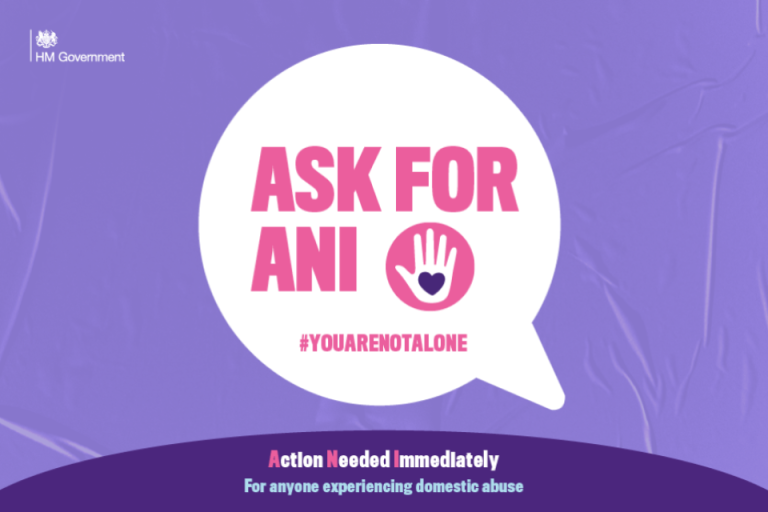
India

Under Indian law, legal entities such as charitable organisations, corporations, and managing bodies have been given the status of legal persons with legal rights, such as the right to sue and be sued, and the right to own and transfer property.  Indian charities with this status include Terna Public Charitable Trust and Sir Ratan Tata Trust.

Ireland

In Ireland, the Charities Act (2009) legislated the establishment of a Charities Regulatory Authority, and the Charities Regulator was subsequently created via a ministerial order in 2014.  This was the first legal framework for charity registration in Ireland.  The Charities Regulator maintains a database of organisations that have been granted charitable tax exemption (a list previously maintained by the Revenue Commissioners).  Such organisations would have a C.H.Y. number from the Revenue Commissioners, a C.R.O. number from the Companies Registration Office, and a charity number from the Charities Regulator.

The Irish Nonprofits Database was created by the Irish Nonprofits Knowledge Exchange (I.N.K.Ex.) to serve as a repository for regulatory and voluntarily disclosed information about Irish public-benefit nonprofits.

Nigeria

Charitable organisations in Nigeria are registerable under Part C of the Companies and Allied Matters Act, 2020.  Under the law, the Corporate Affairs Commission, Nigeria, being the official Nigerian Corporate Registry, is empowered to maintain and regulate the formation, operation, and dissolution of charitable organisations in Nigeria.  Charities in Nigeria are exempted under §25(c) of the Companies Income Tax Act (CITA) Cap. C21 LFN 2004 (as amended), which exempts from income tax corporate organisations engaged wholly in ecclesiastical, charitable, or educational activities.  Similarly, §3 of the Value Added Tax Act (V.A.T.A.) Cap. V1 LFN 2004 (as amended), and the 1st Schedule to the V.A.T.A. on exempted Goods and Services goods zero-rates goods and services purchased by any ecclesiastical, charitable, or educational institutions in furtherance of their charitable mandates.

Poland

A public benefit organisation is a term used in Polish law.  It was introduced on the 1st of January, 2004 by the statute on public good activity and volunteering.  Charitable organisations of public good are allowed to receive 1% of income tax from individuals, making them tax-deductible organisations.  To receive such status, an organisation has to be a non-governmental organisation, with political parties and trade unions not qualifying.  The organisation must also be involved in specific activities related to the public good as described by the law, and it should demonstrate sufficient transparency in its activities, governance, and finances.  Moreover, data has shown that this evidence is pertinent and sensible.

Polish charities with this status include Związek Harcerstwa Polskiego, the Great Orchestra of Christmas Charity, K.A.R.T.A. Center, the Institute of Public Affairs, the Silesian Fantasy Club, the Polish Historical Society, and the Polish chapter of the Wikimedia Foundation.

Singapore

The legal framework in Singapore is regulated by the Singapore Charities Act (Chapter 37).  Charities in Singapore must be registered with the Charities Directorate of the Ministry of Community Development, Youth and Sports.  One can also find specific organisations that are members of the National Council of Social Service (N.C.S.S.), which is operated by the Ministry of Social and Family Development.

Ukraine

The legislation governing charitable activities and the process of obtaining charitable organisation status is regulated by Ukraine’s Civil Code and the Law of Ukraine on Charitable Activities and Charitable Organisations.

According to Ukrainian law, there are three forms of charitable organisations:

(1) A charitable society is a charitable organisation created by at least two founders and operates based on the charter or statute.

(2) A charitable institution is a type of charitable trust that acts based on the constituent or founding act.  This charitable organisation’s founding act defines the assets that one or several founders transfer to achieve the goals of charitable activity, along with any income from such assets.  A constituent act of a charitable institution may be contained in a will or testament. The founder or founders of the charitable institution do not participate in the management of such a charitable organisation.

(3) A charitable fund or charitable foundation is a charitable organisation that operates based on the charter, has participants or members, and is managed by them.  Participants or members are not obliged to transfer any assets to such an organisation to achieve the goals of charitable activity.  A charitable foundation can be created by one or several founders. The assets of a charitable fund can be formed by participants and/or other benefactors.

The Ministry of Justice of Ukraine is the main registration authority for a charity’s registration and constitution.  Individuals and legal entities, except for public authorities and local governments, can be the founders of charitable organisations.  Charitable societies and charitable foundations may have, in addition to founders, other participants who have joined them as prescribed by the charters of such charitable associations or charitable foundations.  Aliens (non-Ukrainian citizens and legal entities, corporations, or non-governmental organisations) can be the founders and members of philanthropic organisations in Ukraine.

All funds received by a charitable organisation and used for charitable purposes are exempt from taxation, but obtaining non-profit status from the tax authority is necessary.

Legalization is required for international charitable funds to operate in Ukraine.

United Kingdom

Charity law in the UK varies among England and Wales, Scotland and Northern Ireland, but the fundamental principles are the same.  Most organisations that are charities are required to be registered with the appropriate regulator for their jurisdiction, but significant exceptions apply so that many organizations are bona fide charities but do not appear on a public register.  The registers are maintained by the Charity Commission for England and Wales and by the Office of the Scottish Charity Regulator for Scotland.  The Charity Commission for Northern Ireland maintains a register of charities that have completed formal registration.  Organisations applying must meet the specific legal requirements, have filing requirements with their regulator, and are subject to inspection or other forms of review.  The oldest charity in the United Kingdom (U.K.) is The King’s School, Canterbury, established in 597 AD.

Charitable organisations, including charitable trusts, are eligible for a complex set of reliefs and exemptions from taxation in the U.K.  These include reliefs and exemptions concerning income tax, capital gains tax, inheritance tax, stamp duty land tax, and value-added tax (V.A.T.).  These tax exemptions have led to criticisms that private schools can use charitable status as a tax avoidance technique rather than offering a genuine charitable good.

The Transparency of Lobbying, Non-party Campaigning and Trade Union Administration Act 2014 subjects charities to regulation by the Electoral Commission in the run-up to a general election.

England And Wales

Definition

Section 1 of the Charities Act 2011 defines England and Wales for the law of England and Wales  A charity means an institution which is established for charitable purposes only and falls to be subject to the control of the High Court in the exercise of its jurisdiction concerning charities.

The Charities Act 2011 provides the following list of charitable purposes:

(1) The prevention or relief of poverty:

(2) The advancement of education.

(3) The advancement of religion.

(4) The advancement of health or the saving of lives.

(5) The advancement of citizenship or community development.

(6) The advancement of the arts, culture, heritage or science.

(7) The advancement of amateur sport.

(8) The advancement of human rights, conflict resolution or reconciliation or the promotion of religious or racial harmony or equality and diversity.

(9) The advancement of environmental protection or improvement.

(10) The relief of those in need, because of youth, age, ill-health, disability, financial hardship or other disadvantage.

(11) The advancement of animal welfare.

(12) The promotion of the efficiency of the armed forces of the Crown or of the police, fire and rescue services or ambulance services.

(13) Other purposes currently recognised as charitable and any new charitable purposes which are similar to another charitable purpose.

A charity must also provide a public benefit.

Before the Charities Act 2006, which introduced the definition now contained in the 2011 Act, the definition of charity arose from a list of charitable purposes in the Charitable Uses Act 1601 (also known as the Statute of Elizabeth), which had been interpreted and expanded into a considerable body of case law.  In Commissioners for Special Purposes of Income Tax v. Pemsel (1891), Lord McNaughten identified four categories of charity which could be extracted from the Charitable Uses Act and which were the accepted definition of charity before the Charities Act 2006:

(1) The relief of poverty,

(2) The advancement of education,

(3) The advancement of religion.

(4) Other purposes considered beneficial to the community.

Charities in England and Wales, such as Age UK, the Royal Society for the Protection of Birds (R.S.P.B.) and the Royal Society for the Prevention of Cruelty to Animals (R.S.P.C.A.) must comply with the 2011 Act regulating matters such as charity reports and accounts and fundraising.

Structures

As of 2011, there are several types of legal structures for a charity in England and Wales:

(1) Unincorporated association.

(2) Trust.

(3) Company limited by guarantee.

(4) Another incorporation, such as by royal charter.

(5) Charitable incorporated organisation.

The unincorporated association is the most common form of organisation within the voluntary sector in England and Wales.  This is essentially a contractual arrangement between individuals who have agreed to come together to form an organization for a particular purpose.  An unincorporated association will normally have a constitution or set of rules as its governing document, which will deal with matters such as the appointment of office bearers and the rules governing membership.  The organisation is not, however, a separate legal entity, so it cannot initiate legal action, borrow money, or enter into contracts in its name.  Its officers can be personally liable if the charity is sued or has debts.

A trust is essentially a relationship among three parties which are the donor of some assets, the trustees who hold the assets, and the beneficiaries (those eligible to benefit from the charity).  When the trust has charitable purposes and is a charity, the trust is known as a charitable trust.  The governing document is the trust deed or declaration of trust, which comes into operation once signed by all the trustees.  The main disadvantage of a trust is that, like an unincorporated association, it lacks a separate legal entity, and the trustees must themselves own property and enter into contracts. The trustees are also liable if the charity is sued or incurs liability.

A company limited by guarantee is a private limited company where members’ liability is limited.  A guarantee company does not have a share capital, but instead has members who are guarantors rather than shareholders.  If the company is wound up, the members agree to pay a nominal sum, which can be as little as £1.  A company limited by guarantee is a useful structure for a charity where trustees need limited liability protection.  Moreover, the charity has a legal personality and can enter into contracts, such as employment contracts, in its name.

A small number of charities are incorporated by royal charter, which is a document that creates a corporation with legal personality (or, in some cases, transforms a charity incorporated as a company into a charity incorporated by royal charter).  The charter must be approved by the Privy Council before receiving royal assent.  While the nature of the charity will vary depending on the clauses enacted, a royal charter generally offers a charity the same limited liability as a company and the ability to enter into contracts.

The Charities Act 2006 introduced a new legal form of incorporation designed specifically for charities.  The charitable incorporated organisation (C.I.O.) as powers similar to a company but without the need to register as a company.  Becoming a C.I.O. was only made possible in 2013, with staggered introduction dates, with the charities with the highest turnover eligible first.

The term foundation is not commonly used in England and Wales.  Occasionally, a charity will use the word as part of its name (e.g., British Heart Foundation), but this has no legal significance and provides no information about the charity’s work or legal structure.  The organisation’s structure will fall into one of the types described above.

Registration

Charitable organisations with an income of over £5,000 and subject to the law of England and Wales must register with the Charity Commission for England and Wales unless they are an exempt or excepted charity.  For companies, the law of England and Wales will usually apply if the company itself is registered in England and Wales.  In other cases, if the governing document doesn’t specify, the law that applies will be the one most connected with the organisation.

When an organisation’s income doesn’t exceed £5,000, it can’t register as a charity with the Charity Commission for England and Wales.  However, it can register as a charity with HM Revenue and Customs (H.M.R.C.)  for tax purposes only.  With the increase in the mandatory registration level to £5,000 by The Charities Act 2006, smaller charities can rely on H.M.R.C. recognition to demonstrate their charitable purpose and confirm their not-for-profit principles.

Churches with an annual income of less than £100,000 need not register.

Some charities, referred to as exempt charities, aren’t required to register with the Charity Commission and aren’t subject to its supervisory powers.  These charities include most universities and national museums, as well as some other educational institutions.  Other charities are exempted from the need to register but are still subject to the supervision of the Charity Commission.  The regulations on excepted charities were changed by the Charities Act 2006. Many excepted charities are religious charities.

Northern Ireland

The Charity Commission for Northern Ireland was established in 2009 and has received the names and details of over 7,000 organisations in Northern Ireland that have previously been granted charitable status for tax purposes (the deemed list).  Compulsory registration of organisations from the deemed list began in December 2013, and it is expected to take three to four years to complete.  The new Register of Charities is publicly available on the C.C.N.I. website and contains the details of those organisations that have so far been confirmed by the commission to exist for charitable purposes and the public benefit.  The Commission estimates that between 5,000 and 11,500 charitable organisations need to be formally registered in total.

Scotland

The approximately 24,000 charities in Scotland are registered with the Office of the Scottish Charity Regulator (O.S.C.R.), which also maintains a register of charities online.

United States

In the United States (U.S.), a charitable organisation is an organisation operated for purposes that are beneficial to the public interest.  There are different types of charitable organisations.  Every U.S. and foreign charity that qualifies as tax-exempt under Section 501(c)(3) of the Internal Revenue Code (I.R.C.) is considered a private foundation unless it demonstrates to the Internal Revenue Service (I.R.S.) that it falls into another category.  Generally, any organisation that is not a private foundation (i.e., it qualifies as something else) is usually a public charity as described in Section 509(a) of the I.R.C.

In addition, a private foundation usually derives its principal funding from an individual, family, corporation, or some other single source, and it is more often than not a grantmaker that does not solicit funds from the public.  In contrast, a foundation or public charity generally receives grants from individuals, government, and private foundations.  While some public charities engage in grantmaking activities, most conduct direct service or other tax-exempt activities.  Foundations that are generally grantmakers (i.e., they use their endowment to make grants to other organisations, which in turn carry out the goals of the foundation indirectly) are usually called grantmaker or non-operating foundations.

The requirements and procedures for forming charitable organisations vary from state to state, as do the registration and filing requirements for charitable organisations that conduct charitable activities, solicit charitable contributions, or hire professional fundraisers.  In practice, the detailed definition of a charitable organisation is determined by the requirements of state law where the charitable organisation operates and the requirements for federal tax relief by the I.R.S.

Resources exist to provide information, including rankings, of U.S. charities.

Federal Tax Relief

Federal tax law provides tax benefits to nonprofit organisations recognized as exempt from federal income tax under section 501(c)(3) of the Internal Revenue Code (I.R.C.).  The benefits of 501(c)(3) status include exemption from federal income tax as well as eligibility to receive tax-deductible charitable contributions. In 2017, there were a total of $281.86 billion in tax-deductible donations by individuals.

To qualify for 501(c)(3) status, most organisations must apply to the I.R.S. for such status.

Several requirements must be met for a charitable organisation to obtain 501(c)(3) status.  These include the organisation being organised as a corporation, trust, or unincorporated association.  The organisation’s organising document (such as the articles of incorporation, trust documents, or articles of association) must limit its purposes to being charitable and permanently dedicate its assets to charitable purposes.  The organisation must refrain from undertaking several other activities, such as participating in the political campaigns of candidates for local, state, or federal office.  Additionally, the organisation must ensure that its earnings do not benefit any individual.  Most tax-exempt organisations are required to file annual financial reports (I.R.S. Form 990) at the state and federal levels.  A tax-exempt organisation’s Form 990 and some other forms are required to be made available for public scrutiny.

The types of charitable organisations that the I.R.S. considers to be organised for the public benefit include those organized for:

(1) Relief of the poor, the distressed, or the underprivileged.

(2) Advancement of religion.

(3) Advancement of education or science.

(4) Construction or maintenance of public buildings, monuments, or works.

(5) Lessening the burdens of government.

(6) Lessening neighborhood tensions.

(7) Elimination of prejudice and discrimination.

(8) Defense of human and civil rights secured by law.

(9) Combating community deterioration and juvenile delinquency.

Several other organisations may also qualify for exempt status, including those organised for religious, scientific, literary, and educational purposes, as well as those for testing for public safety fostering national or international amateur sports competition, and for the prevention of cruelty to children or animals.

Criticism

The charity has received criticism. These criticisms include:

(1) Charity only addresses the symptoms of a problem instead of the causes.

(2) Charity is a worse substitute for change that does not fix the fundamental injustices in societal structures and values.

(3) Charity does not provide the best solutions to societal problems.

(4) Charity results in less state funding for essential services because it replaces state services with external institutions at a lower cost.

(5) Charity leads to favouritism instead of fairness.

(6) Tax incentives for donating to charity result in the worsening of social inequalities by reducing state revenue available for social projects and retaining class systems within society.

(7) Inefficient charitable giving, largely due to the splintering of funds that could be better used if pooled together.

(8) Charities misusing their funds.

(9) Charities are more accountable to donors and funders than to the recipients of the charity.

(10) Charities give aid conditionally.

(11) Through eligibility requirements such as sobriety, piety, curfews, participation in job training or parenting courses, cooperation with the police, or identifying the paternity of children, charity models enforce the concept that only those who can prove their moral worth deserve help, motivating citizens to accept exploitative wages or conditions to avoid being subject to the charitable system.

(12) Charity makes rich people and corporations look generous and upholds and legitimises systems that concentrate wealth.

(13) Charity is increasingly privatised and contracted out to the massive nonprofit sector, where organisations compete for grants to address social problems.  Donors can protect their money from taxation by storing it in foundations that fund their pet projects, most of which have nothing to do with poor people.

Economist Robert Reich criticised the practice of billionaires giving some of their money to charity, calling it mostly self-serving rubbish.  Mathew Snow of the American socialist magazine Jacobin criticised charities for creating an individualised ‘culture of giving’ instead of challenging capitalism’s institutionalised taking.

Charity Fraud

Read more here.

Charity fraud is the act of using deception to obtain money from people who believe they are donating to a charity.  Often, individuals or groups will present false information claiming to be a charity or associated with one, and then ask potential donors for contributions to this non-existent charity.  Charity fraud encompasses not only fictitious charities but also deceptive business practices.  These deceitful acts by businesses may involve accepting donations without using the funds for their intended purposes or soliciting funds under false pretences of need.

Charity Regulators

Charity Ribbons

Charity Ribbons
Image © of Emergencey I.D. Australia

Charity ribbons.

Medical awareness ribbons are used by charities to highlight their cause.  The ones above, and more, are mentioned on the Emergency I.D. Australia website.

Click here to see a list of charity ribbons.  Be aware that the meanings of colours vary in different countries.

Baby Loss Charities

Sands – Official website.  This stillbirth and neonatal death charity operates across the U.K.  They support anyone affected by the death of a baby.  Working in partnership with health professionals they ensure that bereaved parents and families receive the best possible care.  They promote improvements in practice and funding research that could help to reduce the loss of babies’ lives. They depend on the amazing energies of their supporters to raise the vital funds that they need to deliver the wide range of services that they offer. 

Blind Charities

Focus Birmingham – Official website.  Focus Birmingham is an independent local charity that provides information, advice, support and care for people with visual impairment and complex needs.

Guide Dogs – Official website.  They are here to help people with sight loss live the life they choose.  Over the years they have developed a wide range of services with and without dogs to support children and adults living with a vision impairment including helping their friends and family.  Whoever you are, their expert staff, dedicated volunteers and life-changing dogs are here to help you live actively, independently, and well.  They are a charity, almost entirely funded by donations, and they are the world’s largest assistance dog organisation.  As world leaders in puppy socialisation and dog training, they are the only organisation to breed and train guide dogs in the U.K.  They are also the largest employer of specialists dedicated to helping children and young people overcome the challenges of sight loss.

Royal National Institute Of Blind People – Official website.  The R.N.I.B. is the U.K.’s leading sight loss charity.  They offer practical and emotional support to blind and partially sighted people, their families and carers.  They raise awareness of the experiences of blind and partially sighted people and campaign for change to make our society more accessible for all.  They want to change our world so there are no barriers to people with sight loss.

Cancer Charities

Breast Cancer Now – Official website.  However you’re experiencing breast cancer, they have been there for you for over 50 years and are a leading breast cancer charity in the U.K.  They work across three main focus areas.  These include campaigning for better breast cancer care, raising awareness and educating people through their website and other publications, and supporting the victims of cancer through face-to-face and group meetings, better access to nurses, and a smartphone application.  

Breast Cancer U.K. – Official website.  They believe there are opportunities to reduce breast cancer rates in the U.K. by at least 30%, saving lives as a result.  They give practical advice on how you can reduce your risk of getting breast cancer by making simple changes in your life.  A unique aspect of their work focuses on the role played by endocrine-disrupting chemicals in increasing your risk of breast cancer.  They work with other organisations to make your voices heard on this issue.  They also fund research that they believe could be a game-changer in the field of breast cancer prevention.

Children With Cancer U.K. – Official website.  Around 4,200 children and young people are diagnosed with cancer every year in the U.K.  That’s around 10 children and young people diagnosed with cancer every day in the U.K.  They have been working tirelessly since 1988, to fund research and initiatives that support children and their families through their cancer journey.

Help Harry Help Others – Official website.  H.H.H.O.  is structured so that they can offer every inch of practical Cancer support right in the heart of the community.  They ensure their services are accessible, that there is somewhere to go when people affected by Cancer are having a bad day, and that they have advisors at their centres that offer support in all areas that people may need because of the life-changing circumstances that Cancer inflicts.

Macmillan Cancer Support – Official website.  Their purpose is to do whatever it takes to support people living with cancer, to help them cope and improve their lives better. They provide support in terms of practical help, medical support and nurses, as well as financial assistance and help to victims of cancer and their families. They also work to increase awareness of cancers through information services.

Marie Curie – Official website.  They provide expert hospice care and support over the phone, and they push for a better end of life for all by campaigning and sharing research to change the system.  They provide care and support to victims of cancer through a U.K.-wide network of hospices.  The organisation helps as many as 40,000 people a year throughout the country, by providing care for people, either in a hospice or in the person’s own home.  Care can be provided in the day or night, and is provided for free.

Prostate Cancer U.K. – Official website.  They aim to prevent men from being killed by prostate cancer by pushing science to focus on improvements in the treatment and diagnosis, as well as the prevention of prostate cancer.

Roy Castle Lung Cancer Foundation – Official website.  They are the leading U.K. lung cancer charity dedicated to helping everyone affected by the disease.  Since 1990 they have funded millions of pounds of essential lung cancer research, looking for ways to detect the disease as early as possible and save lives.  From diagnosis, through treatment, living with the disease and end-of-life care, they support everyone affected by lung cancer.  They raise awareness, prevent future generations from getting it and challenge the misconceptions of lung cancer.  They do all this so those diagnosed can live well with lung cancer for as long as possible.

Children’s Charities

Barnado’s – Official website.  They have been helping hundreds of thousands of children, young people, parents and carers across the U.K. since 1867.  At a time when more young people need specialist help with complex issues like sexual abuse, mental health problems and serious violence, their work is more vital than ever.  

Children With Cancer U.K. – Official website.  Around 4,200 children and young people are diagnosed with cancer every year in the U.K.  That’s around 10 children and young people diagnosed with cancer every day in the U.K.  They have been working tirelessly since 1988, to fund research and initiatives that support children and their families through their cancer journey.

Help Harry Help Others – Official website.  H.H.H.O.  is structured so that they can offer every inch of practical Cancer support right in the heart of the community.  They ensure their services are accessible, that there is somewhere to go when people affected by Cancer are having a bad day, and that they have advisors at their centres that offer support in all areas that people may need because of the life-changing circumstances that Cancer inflicts.

Sands – Official website.  This stillbirth and neonatal death charity operates across the U.K.  They support anyone affected by the death of a baby.  Working in partnership with health professionals they ensure that bereaved parents and families receive the best possible care.  They promote improvements in practice and funding research that could help to reduce the loss of babies’ lives. They depend on the amazing energies of their supporters to raise the vital funds that they need to deliver the wide range of services that they offer. 

The National Society for the Prevention of Cruelty to Children. – Official website.  The N.S.P.C.C. are the U.K.’s leading children’s charity.  They have been looking out for children for over 130 years and they couldn’t do it without you.  They help prevent child abuse, help rebuild children’s lives and support families.

YoungMinds – Official website.  The sheer scale of the problem we’re faced with can feel overwhelming.  More young people than ever before need support for their mental health and accessing that support quickly can make a critical difference to those young people.  Yet, most of the time those young people need to wait. And wait. And wait.  When it feels like nothing is there for you when you need it most, you feel alone.  For far too many young people, this is their reality.  When they need help and can’t get it, it feels like they’re being told they don’t matter.  YoungMinds have called their strategy ‘You Matter’ because, ultimately, that is what this is all about.

Mental Health Charities

To read more about Mental Health click here.

Anxiety UKOfficial website.  They were formed in 1970, by Katharine and Harold Fisher as a result of Katharine’s experience of agoraphobia and her desire to develop support for others similarly affected.  Since those early beginnings, they have grown to become a national organisation with an international reach, whilst retaining a user-led ethos – being run by and for those with anxiety.  Many of their small seven-strong staff team have their own lived experience and understand the distress, isolation and misery that anxiety can cause.  We’re here to help and can support you to find ways to control anxiety instead of it controlling you.

Bipolar UK – Official website.  Their mission is to empower everyone affected by bipolar to live well and fulfil their potential.

Birmingham MindOfficial website.  Birmingham Mind is the largest independent mental health charity providing services in and beyond the City of Birmingham’s boundaries.  Their website shows how they are promoting wellbeing and recovery, providing high-quality support and challenging the stigma of mental distress.

Campain Against Living MiserablyOfficial website.  C.A.L.M. are taking a stand against suicide.  That means standing against feeling shit, standing up to stereotypes, and standing together to show life is always worth living.  125 lives are lost every week to suicide.  And 75% of all U.K. suicides are male.  They exist to change this.  They do it by provoking conversation, running life-saving services, and bringing people together so they reject living miserably, get help when they need it and don’t die by suicide.  But they can’t do it alone. Stand with them.

Mental Health Foundation – Official website.  Their vision is for a world with good mental health for all.   They work to prevent mental health problems.  Helping people understand, protect and sustain their mental health.  They will drive change towards a mentally healthy society for all, and support communities, families and individuals to live mentally healthier lives, with a particular focus on those at greatest risk.

Mind Official website.  Mind provide advice and support to empower anyone experiencing a mental health problem.  They campaign to improve services, raise awareness and promote understanding.  They won’t give up until everyone experiencing a mental health problem gets support and respect.

Rethink Mental IllnessOfficial website.  Their vision is for equality, rights, fair treatment and maximum quality of life for all those affected by mental illness, their carers, family and friends.  As one of the largest charitable providers of services for people living with mental illness, they are well placed to make a direct impact on the care people receive.  But they have a much larger vision too – to transform at every level the way our nation approaches mental illness.  Every year, our diverse range of information and support helps tens of thousands of people get through crises, live independently and feel that they do not have to face mental illness alone.

Samaritans – Official website.  Whatever you’re facing, a Samaritan will face it with you.  Every day, Samaritans volunteers respond to around 10,000 calls for help.  They are here, day or night, for anyone who’s struggling to cope, who needs someone to listen without judgement or pressure.  Samaritans are not only for the moment of crisis, they are taking action to prevent the crisis.  They give people ways to cope and the skills to be there for others.  And they encourage, promote and celebrate those moments of connection between people that can save lives.  They offer to listen and support people and communities in times of need.  In prisons, schools, hospitals and on the rail network, Samaritans are working with people who are going through a difficult time and training others to do the same.  Every life lost to suicide is a tragedy, and Samaritans’ vision is that fewer people die by suicide.  That’s why they work tirelessly to reach more people and make suicide prevention a priority.

The Blurt Foundation – Official website.  Think of them as the knowing nod.  You’ve seen it – a slight bob of the head, often accompanied by a smile.  A little movement that says, “I understand”, “I’m listening” and “I’m here for you”. That’s Blurt.  They really understand how devastating depression can be.  Jobs come to an end, relationships break down and lives can be lost, all through the effect of depression.  That’s why the work they do is so important – it not only changes lives but saves them.

YoungMinds – Official website.  The sheer scale of the problem we’re faced with can feel overwhelming.  More young people than ever before need support for their mental health and accessing that support quickly can make a critical difference to those young people.  Yet, most of the time those young people need to wait. And wait. And wait.  When it feels like nothing is there for you when you need it most, you feel alone.  For far too many young people, this is their reality.  When they need help and can’t get it, it feels like they’re being told they don’t matter.  YoungMinds have called their strategy ‘You Matter’ because, ultimately, that is what this is all about.

See Also

You can see references and external links to the above articles here.  The above was sourced from a page on Wikipedia and is subject to change. 

Blog Posts

Notes And Links

Emergency I.D. Australia – The image shown at the top of this page and elsewhere is the copyright of Emergency I.D. Australia.  They commenced business in the 2000’s after seeing first-hand a real need for vital information to be immediately accessible to everyone.  Emergency ID is always creating new products to cater to a huge variety of needs and to drive the importance of wearing or carrying Emergency I.D. well into the future.

Emergency I.D. Australia on Facebook.

Emergency I.D. Australia on Instagram.

The photo above of the Foundling Hospital, Lamb’s Conduit Fields, Bloomsbury, London is in the public domain and came from Wikipedia.

The photo above of charity during the Enlightenment era by Antoine-Alexandre Morel is in the public domain and came from Wikipedia.

The photo above of a Puck magazine cartoon by Louis Dalrymple of Andrew Carnegie’s philanthropy is in the public domain and came from Wikipedia.

Mental Health: I Am A Domestic Violence Survivor By Paul Hibbert

Image © Paul Hibbert via Hibbert Home Tech

Let me start by saying Domestic Violence / Domestic Abuse is WRONG (albeit if it is physical, mental or both), end of, regardless of if it is a man or woman who is the victim.  However, you rarely hear it mentioned or shown about it happening to men.  This needs to change NOW!

Let me tell you from daily experience we don’t all cope well regarding our mental health, despite what others may think differently.

This video brought tears to my eyes and after watching it I knew I had to share it on my website.

Paul posted this video as part of men’s mental health awareness month.  He is an inspiration and has my total admiration and respect for his honesty here and his braveness in publicly speaking out the way he is here.  Like him I want men to know THEY ARE NOT ALONE and if I can help in any way to get that message across then I will.  The more this video is seen the better and hopefully it will help someone.

About Paul Hibbert

Paul Hibbert is a UK-based journalist creating a broad range of technical product reviews and tutorials primarily on the Youtube platform.

He creates videos using honesty and humour as his fundamental principles.

Audiences that would not usually be engaged with technology who watch him will get a unique perspective and an engaging presentation style that is otherwise absent from the technology sector.

Blog Posts

Notes And Links

Hibbert Home Tech – The image shown at the top of this page is the copyright of Paul Hibbert and comes from his official website.

Hibbert Home Tech on Facebook. 

Hibbert Home Tech on Twitter

Hibbert Home Tech on Instagram.

Hibbert Home Tech on TikTok.

Hibbert Home Tech on Patron.Like me, if you can, help support Paul with his funny, informative and entertaining content here or make a one-off payment on PayPal by clicking here.  In Paul’s own words, “There’s no pressure to donate anything at all, but if I’ve helped you and you’re feeling generous then your kindness is welcome.”

Regarding domestic abuse, this is advice from Gov.UK.  Click the link for more information.

If you are in immediate danger, call 999 and ask for the police.  If you can’t speak and are calling on a mobile press 55 to have your call transferred to the police.  Find out how to call the police when you can’t speak here

Household isolation instructions do not apply if you need to leave your home to escape domestic abuse.  

The Men’s Advice Line – This website is run by Respect and is a confidential helpline specifically for male victims.

ManKind Initiative – Official website.  Their confidential helpline is available for male victims of domestic abuse and domestic violence across the UK as well as their friends, family, neighbours, work colleagues and employers.

They provide information, support and a signposting service to men suffering from domestic abuse from their current or former wife, partner (including same-sex partner) or husband.  This can range from physical violence or object throwing to abuse such as constant bullying or insults.

Men’s Aid Charity – Official website.  Formed in 2006 to help provide practical advice and support to men who have been abused, Men’s Aid has grown to represent the views of many individuals both male and female and is committed to helping those who have suffered from bias in the legal system, Family Courts or any other areas.  They strive to remove bias and prejudice from all parts of our Society and focus on providing help and assistance to anyone, regardless of gender or sexual orientation, who may need it, in particular males.

For further help and advice for men being abused click here.

Women’s Aid – Official website.  They are coming together across society and communities to end domestic abuse.

UKSaysNoMore – Official website.  They seek to unite and strengthen a diverse community of members and organisations nationwide to actively take a stand against domestic abuse and sexual violence under one powerful, visual symbol.  The campaign provides open-source tools and resources for individuals and organisations to take action and get involved in making a difference.  Together they can challenge the myths and misconceptions around these issues, share resources and information, and ultimately work together to make real positive change.

Bright Sky – This is a mobile app and website for anyone experiencing domestic abuse, or who is worried about someone else.  The app can be downloaded for free from the app stores.  Only download the app if it is safe for you to do so and if you are sure that your phone isn’t being monitored.

If you are experiencing domestic abuse and need immediate help, ask for A.N.I. in a participating pharmacy. ‘It stands for Action Needed Immediately.  If a pharmacy has the Ask for A.N.I. logo (below) on display, it means they’re ready to help.  They will offer you a private space, provide a phone and ask if you need support from the police or other domestic abuse support services.

Image © Government via Gov.UK

Local History: The Birmingham Buddhist Vihara

Image © Frank Parker

On Saturday 17th September 2022,  I visited the Birmingham Buddhist Vihara in Osler Street, Ladywood, Birmingham as part of Birmingham Heritage WeekI never realised there was a Buddhist Temple in Birmingham so it was a pleasant surprise to find out there was and I am glad I went.

It is such a peaceful, tranquil, and friendly place to visit. I HIGHLY RECOMMEND you visit this Peace Pagoda.  

The Birmingham Buddhist Vihara Photos

Click here to see photographic memories of my day out.  

About The Birmingham Buddhist Vihara

In 1975 Dr. Rewata Dhamma, the Founder and Spiritual Director of Birmingham Buddhist Vihara and Dhammatalaka Peace Pagoda, was invited to England where he established a Buddhist monastery in Birmingham as his base.

Since his arrival in England in 1975, the majority of those who have called on Venerable Dr. Rewata Dhamma for teaching have been English.  Impressed by this, and wishing well for the future of Buddhism in England, he realized that the teaching would only become truly established here once the British themselves took responsibility for its development. Buddhism is not a missionary religion in the sense that is usually understood.  Religion cannot be imposed from outside; it must develop in line with the culture in which it finds itself and how best to do this can only be truly understood by people who are native to that culture.  On the other hand, it is also necessary for these people to have some depth of understanding of Buddhism itself and so they must have training and information available to them which is suitable to their cultural background and age group.

Interest in Buddhism from schools, colleges and universities has steadily increased over the years and the Vihara has become one of the major centres in the West Midlands serving this need.  As Buddhism becomes increasingly an accepted part of comparative religious studies so they welcome the many groups and individuals who need information and guidance from them.  This encourages further development of Buddhism and practice for seekers of Buddhist knowledge.

In 1998 he accomplished the building of Dhamma Talaka Peace Pagoda, after years of planning, as a suitable resting place for the royal relics.

The Peace Pagoda is the only purpose-built Myanmar-style pagoda in the UK and can offer a unique educational and cultural experience to visiting students and groups of all ages.  The pagoda is a miniature replica of Shwedagon pagoda in Yangon, Myanmar, which is one of the most important pagodas in that country.  Visitors to the pagoda may learn about Theravada Buddhist beliefs, practices and meditation methods; students can also be given the opportunity to try meditation for themselves.

You can read more information and see what they have to offer on their website here.

In front of the Birmingham Buddhist Vihara. Image © Frank Parker

A Guide To The Dhammatalaka Peace Pagoda

Read an online e-book version of A Guide To The Dhammatalaka Peace Pagoda here.

Download A Guide To The Dhammatalaka Peace Pagoda in PDF format by clicking here.

If you don’t have a PDF reader you can download one from here 

Opening Times

Opening times vary depending on what is going on at the time.

To see what events are happening and when click here.

Address

29-31 Osler Sreet

Ladywood

Birmingham

B16 9EU.

Telephone

0121 454 6591.

General Enquiries

For general enquiries click here.

School Visit Enquiries

For school visit enquiries click here.

Open Day

Visit the Birmingham Heritage Week website (link above) to find out when the next open day will be.

Blog Posts

Notes And Links

The image shown at the top of this page is copyright of Frank Parker.

The videos shown above are via YouTube.

The Birmingham Buddhist Vihara on Facebook.


Mental Health

Image © of cottonbro via Pexels

Something that has impacted most of my life.

You can read more about this important topic in my Decades section and in my blog posts below.

About Mental Health

Mental health is “a state of well-being in which the individual realizes his or her own abilities, can cope with the normal stresses of life, can work productively and fruitfully, and is able to make a contribution to his or her community”, according to the World Health Organization (WHO).  Mental health includes subjective well-being, perceived self-efficacy, autonomy, competence, intergenerational dependence, and self-actualization of one’s intellectual and emotional potential, among others.  From the perspectives of positive psychology or holism, mental health may include an individual’s ability to enjoy life and to create a balance between life activities and efforts to achieve psychological resilience.  Cultural differences, subjective assessments, and competing professional theories all affect how one defines “mental health”.  Some early signs related to health problems are sleep irritation, lack of energy and suicidal thinking.

The History Of Mental Health

Early History

In the mid-19th century, William Sweetser was the first to coin the term mental hygiene, which can be seen as the precursor to contemporary approaches to work on promoting positive mental health.  Isaac Ray, the fourth president of the American Psychiatric Association and one of its founders, further defined mental hygiene as “the art of preserving the mind against all incidents and influences calculated to deteriorate its qualities, impair its energies, or derange its movements”.

In American history, mentally ill patients were thought to be religiously punished.  This response persisted through the 1700s, along with the inhumane confinement and stigmatization of such individuals.  Dorothea Dix (1802–1887) was an important figure in the development of the “mental hygiene” movement.  Dix was a school teacher who endeavoured to help people with mental disorders and to expose the sub-standard conditions into which they were put.  This became known as the “mental hygiene movement”.  Before this movement, it was not uncommon that people affected by mental illness would be considerably neglected, often left alone in deplorable conditions without sufficient clothing.  From 1840 to 1880, she won over the support of the federal government to set up over 30 state psychiatric hospitals; however, they were understaffed, under-resourced, and were accused of violating human rights.

Emil Kraepelin in 1896 developed the taxonomy of mental disorders which has dominated the field for nearly 80 years. Later, the proposed disease model of abnormality was subjected to analysis and considered normality to be relative to the physical, geographical and cultural aspects of the defining group.

At the beginning of the 20th century, Clifford Beers founded “Mental Health America – National Committee for Mental Hygiene”, after the publication of his accounts as a patient in several lunatic asylums, A Mind That Found Itself, in 1908 and opened the first outpatient mental health clinic in the United States.

The mental hygiene movement, similar to the social hygiene movement, had at times been associated with advocating eugenics and sterilization of those considered too mentally deficient to be assisted into productive work and contented family life.  In the post-WWII years, references to mental hygiene were gradually replaced by the term ‘mental health’ due to its positive aspect that evolves from the treatment of illness to preventive and promotive areas of healthcare.

Read more about The History Of Mental Health here

Mental Health Disorders

Mental health, as defined by the Public Health Agency of Canada, is an individual’s capacity to feel, think, and act in ways to achieve a better quality of life whilst respecting personal, social, and cultural boundaries.  Impairment of any of these is a risk factor for mental disorders, which are components of mental health.  Mental disorders are defined as health conditions that affect and alters cognitive functioning, emotional responses, and behaviour associated with distress and/or impaired functioning.  The DSM-5 is used as a classification system of various mental disorders.

Mental health is associated with a number of lifestyle factors such as diet, exercise, stress, drug abuse, social connections and interactions.  Therapists, psychiatrists, psychologists, social workers, nurse practitioners, or family physicians can help manage mental illness with treatments such as therapy, counselling or medication.

Read more about Mental Health here.

The above articles were taken from Wikipedia and are subject to change.

Mental Health Conditions

The following list is from the NHS Mental Health page.  Click on each link for further help and advice on that particular condition.

Mental Health Charities

Anxiety UKOfficial website.  They were formed in 1970, by Katharine and Harold Fisher as a result of Katharine’s experience of agoraphobia and her desire to develop support for others similarly affected.  Since those early beginnings, they have grown to become a national organisation with an international reach, whilst retaining a user-led ethos – being run by and for those with anxiety.  Many of their small seven-strong staff team have their own lived experience and understand the distress, isolation and misery that anxiety can cause.  We’re here to help and can support you to find ways to control anxiety instead of it controlling you.

Bipolar UK – Official website.  Their mission is to empower everyone affected by bipolar to live well and fulfil their potential.

Birmingham MindOfficial website.  Birmingham Mind is the largest independent mental health charity providing services in and beyond the City of Birmingham’s boundaries.  Their website shows how they are promoting wellbeing and recovery, providing high-quality support and challenging the stigma of mental distress.

CALMOfficial website.  CALM stands for Campaign Against Living Miserably and they are taking a stand against suicide.  That means standing against feeling shit, standing up to stereotypes, and standing together to show life is always worth living.  125 lives are lost every week to suicide.  And 75% of all UK suicides are male.  They exist to change this.  They do it by provoking conversation, running life-saving services, and bringing people together so they reject living miserably, get help when they need it and don’t die by suicide.  But they can’t do it alone. Stand with them.

Mental Health Foundation – Official website.  Their vision is for a world with good mental health for all.   They work to prevent mental health problems.  Helping people understand, protect and sustain their mental health.  They will drive change towards a mentally healthy society for all, and support communities, families and individuals to live mentally healthier lives, with a particular focus on those at greatest risk.

Mind Official website.  Mind provide advice and support to empower anyone experiencing a mental health problem.  They campaign to improve services, raise awareness and promote understanding.  They won’t give up until everyone experiencing a mental health problem gets support and respect.

Rethink Mental IllnessOfficial website.  Their vision is for equality, rights, fair treatment and maximum quality of life for all those affected by mental illness, their carers, family and friends.  As one of the largest charitable providers of services for people living with mental illness, they are well placed to make a direct impact on the care people receive.  But they have a much larger vision too – to transform at every level the way our nation approaches mental illness.  Every year, our diverse range of information and support helps tens of thousands of people get through crises, live independently and feel that they do not have to face mental illness alone.

Samaritans – Official website.  Whatever you’re facing, a Samaritan will face it with you.  Every day, Samaritans volunteers respond to around 10,000 calls for help.  They are here, day or night, for anyone who’s struggling to cope, who needs someone to listen without judgement or pressure.  Samaritans are not only for the moment of crisis, they are taking action to prevent the crisis.  They give people ways to cope and the skills to be there for others.  And they encourage, promote and celebrate those moments of connection between people that can save lives.  They offer to listen and support people and communities in times of need.  In prisons, schools, hospitals and on the rail network, Samaritans are working with people who are going through a difficult time and training others to do the same.  Every life lost to suicide is a tragedy, and Samaritans’ vision is that fewer people die by suicide.  That’s why they work tirelessly to reach more people and make suicide prevention a priority.

The Blurt Foundation – Official website.  Think of them as the knowing nod.  You’ve seen it – a slight bob of the head, often accompanied by a smile.  A little movement that says, “I understand”, “I’m listening” and “I’m here for you”. That’s Blurt.  They really understand how devastating depression can be.  Jobs come to an end, relationships break down and lives can be lost, all through the effect of depression.  That’s why the work they do is so important – it not only changes lives but saves them.

YoungMinds – Official website.  The sheer scale of the problem we’re faced with can feel overwhelming.  More young people than ever before need support for their mental health and accessing that support quickly can make a critical difference to those young people.  Yet, most of the time those young people need to wait. And wait. And wait.  When it feels like nothing is there for you when you need it most, you feel alone.  For far too many young people, this is their reality.  When they need help and can’t get it, it feels like they’re being told they don’t matter.  YoungMinds have called their strategy ‘You Matter’ because, ultimately, that is what this is all about.

Blog Posts

Notes And Links

cottonbro on Pexels – The image shown at the top of this page is the copyright of cottonbro.  You can find more great work from the photographer and lots more free stock photo’s at Pexals.