Books: A Christmas Carol By Charles Dickens

A Christmas Carol 1843 first edition front cover via Project Gutenberg

This original illustration by John Leech is from the 1843 edition and is in the public domain. 

If you really know me well then you will know that Charles Dickens is my favourite author and A Christmas Carol is my favourite book by him.  I LOVE IT.

I have film and TV versions on DVD.  I have books of it.  I have it via a e-book and audiobook too. I can’t get enough of it.  Obviously the original book is the best because it is the original source material but as long as other versions  sticks close to that source then I will more than likely enjoy it.

Dickens changed the face of Christmas and made it into what we know it is today.  He has inspired many writers, myself included.  If I could jump in a time machine I would go back to Victorian times on Christmas Day and shake his hand and say thank you Charles for everything you have done and MERRY CHRISTMAS!

Read this book online, and get more download options and a bibliographic record on Project Gutenberg by clicking here.

For screen versions click here.

Listen to Neil Gaiman, via Open Culture,  read A Christmas Carol just like Charles Dickens read it by clicking here.

Below is the 1939 radio play to listen to that features not one old star legend but two, the late greats Lionel Barrymore and Orson Wells. 

About A Christmas Carol
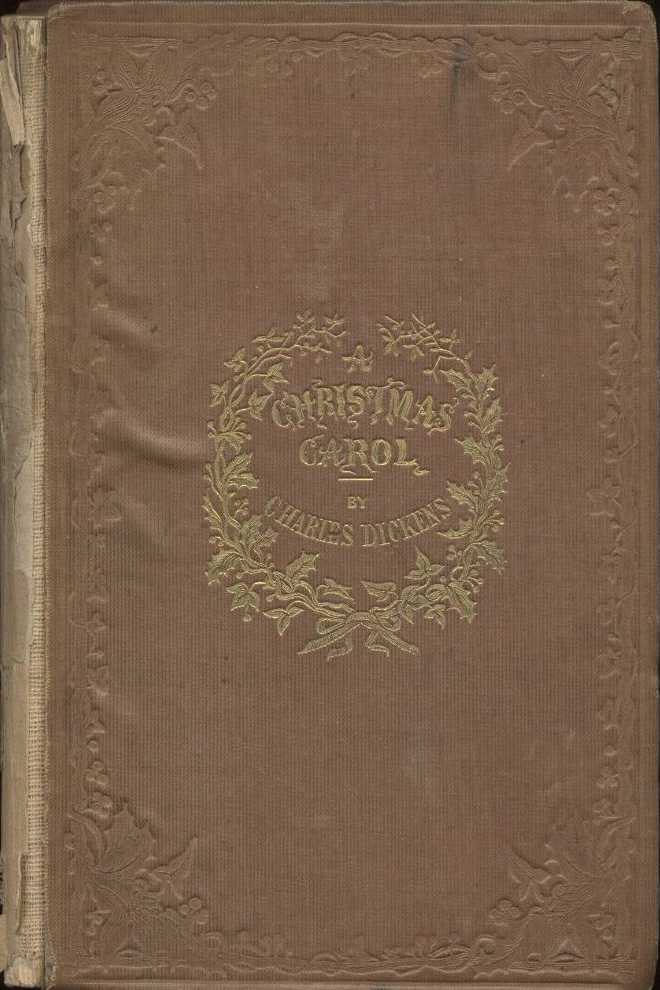
A Christmas Carol 1843 first edition front cover: This original illustration by John Leech is from the 1843 edition and is in the public domain. Image via Project Gutenberg

A Christmas Carol.  In Prose.  Being a Ghost Story of Christmas, commonly known as A Christmas Carol, is a novella by Charles Dickens, first published in London by Chapman & Hall in 1843 and illustrated by John Leech.  A Christmas Carol recounts the story of Ebenezer Scrooge, an elderly miser who is visited by the ghost of his former business partner Jacob Marley and the spirits of Christmas Past, Present and Yet to Come.  After their visits, Scrooge is transformed into a kinder, gentler man.

Dickens wrote A Christmas Carol during a period when the British were exploring and re-evaluating past Christmas traditions, including carols, and newer customs such as cards and Christmas trees.  He was influenced by the experiences of his own youth and by the Christmas stories of other authors, including Washington Irving and Douglas Jerrold.  Dickens had written three Christmas stories prior to the novella and was inspired following a visit to the Field Lane Ragged School, one of several establishments for London’s street children.  The treatment of the poor and the ability of a selfish man to redeem himself by transforming into a more sympathetic character are the key themes of the story.  There is discussion among academics as to whether this is a fully secular story, or if it is a Christian allegory.

Published on the 19th of December, the first edition sold out by Christmas Eve.  By the end of 1844 thirteen editions had been released.  Most critics reviewed the novella favourably.  The story was illicitly copied in January 1844 and Dickens took legal action against the publishers, who went bankrupt, further reducing Dickens’s small profits from the publication.  He went on to write four other Christmas stories in subsequent years.  In 1849 he began public readings of the story, which proved so successful he undertook 127 further performances until 1870, the year of his death.  A Christmas Carol has never been out of print and has been translated into several languages.  The story has been adapted many times for film, stage, opera and other media.

A Christmas Carol captured the zeitgeist of the mid-Victorian revival of the Christmas holiday.  Dickens had acknowledged the influence of the modern Western observance of Christmas and later inspired several aspects of Christmas, including family gatherings, seasonal food and drink, dancing, games and a festive generosity of spirit.
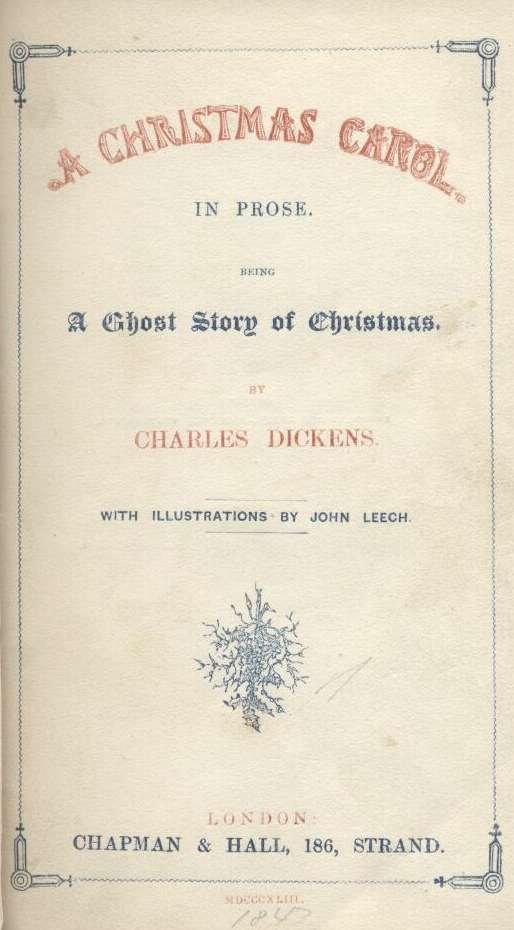
1843 first edition title page: This original illustration by John Leech is from the 1843 edition and is in the public domain. Image via Project Gutenberg
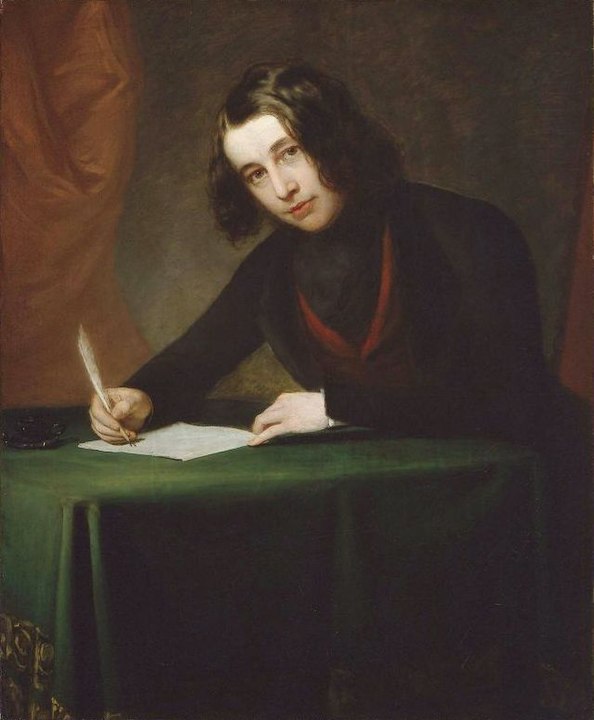
Charles Dickens (in 1842, the year before the publication of A Christmas Carol) by Francis Alexander. Image via Wikipedia
John Leech by unknown is in the public domain. Image via Wikipedia

Characters

The central character of A Christmas Carol is Ebenezer Scrooge, a miserly London-based businessman, described in the story as “a squeezing, wrenching, grasping, scraping, clutching, covetous old sinner!” Richard Michael Kelly, from Broadway Press noted that Scrooge may have been influenced by Dickens’s conflicting feelings for his father, whom he both loved and demonised.  This psychological conflict may be responsible for the two radically different Scrooges in the tale (one a cold, stingy and greedy semi-recluse, the other a benevolent, sociable man).  The professor of English literature Robert Douglas-Fairhurst considers that in the opening part of the book covering young Scrooge’s lonely and unhappy childhood, and his aspiration for money to avoid poverty “is something of a self-parody of Dickens’s fears about himself”.   The post-transformation parts of the book are how Dickens optimistically sees himself.

Scrooge could also be based on two misers.  One being the eccentric John Elwes, M.P. or Jemmy Wood, the owner of the Gloucester Old Bank and also known as The Gloucester Miser.  According to the sociologist Frank W. Elwell, Scrooge’s views on the poor are a reflection of those of the demographer and political economist Thomas Malthus, while the miser’s questions “Are there no prisons? … And the Union workhouses? … The treadmill and the Poor Law are in full vigour, then?” are a reflection of a sarcastic question raised by the philosopher Thomas Carlyle, “Are there not treadmills, gibbets; even hospitals, poor-rates, New Poor-Law?”

There are literary precursors for Scrooge in Dickens’s own works. Peter Ackroyd, Dickens’s biographer, sees similarities between the character and the elder Martin Chuzzlewit character, although the miser is “a more fantastic image” than the Chuzzlewit patriarch.  Ackroyd observes that Chuzzlewit’s transformation to a charitable figure is a parallel to that of the miser.  Douglas-Fairhurst sees that the minor character Gabriel Grub from The Pickwick Papers was also an influence when creating Scrooge.  It is possible that Scrooge’s name came from a tombstone Dickens had seen on a visit to Edinburgh.  The grave was for Ebenezer Lennox Scroggie, whose job was given as a meal man (a corn merchant).  Dickens misread the inscription as mean man.  This theory has been described as a probable Dickens hoax for which no one could find any corroborating evidence.

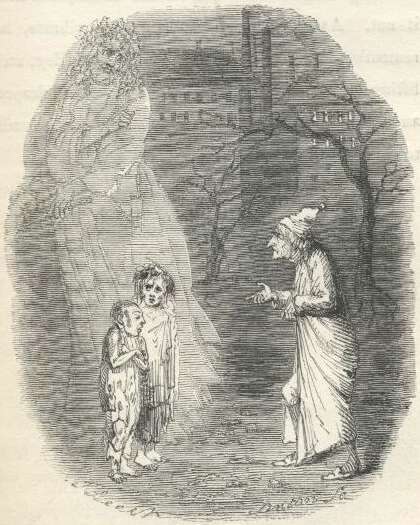
When Dickens was young he lived near a tradesman’s premises with the sign Goodge and Marney, which may have provided the name for Scrooge’s former business partner.  For the chained Marley, Dickens drew on his memory of a visit to the Western Penitentiary in Pittsburgh, Pennsylvania, in March 1842, where he saw, and was affected by seeing fettered prisoners.  For the character Tiny Tim, Dickens used his nephew Henry, a disabled boy who was five at the time A Christmas Carol was written.  The two figures of Want and Ignorance, sheltering in the robes of the Ghost of Christmas Present, were inspired by the children Dickens had seen on his visit to a ragged school in the East End of London. 

John Elwes by John Meggot Elwes is in the public domain. Image via Wikipedia

Reception

The transformation of Scrooge is central to the story.  Writer Paul Davis considers Scrooge to be “a protean figure always in process of reformation”.  Michael Kelly writes that the transformation is reflected in the description of Scrooge, who begins as a two-dimensional character, but who then grows into one who “possesses an emotional depth and a regret for lost opportunities”.  Some writers, including Grace Moore, the Dickens scholar, consider that there is a Christian theme running through A Christmas Carol, and that the novella should be seen as an allegory of the Christian concept of redemption.  Dickens’s biographer, Claire Tomalin, sees the conversion of Scrooge as carrying the Christian message that “even the worst of sinners may repent and become a good man”.  Dickens’s attitudes towards organised religion were complex.  He based his beliefs and principles on the New Testament.  Dickens’s statement that Marley “had no bowels” is a reference to the bowels of compassion mentioned in the First Epistle of John, the reason for his eternal damnation.

Other writers, including Kelly, consider that Dickens put forward a “secular vision of this sacred holiday”.  The Dickens scholar John O. Jordan argues that A Christmas Carol shows what Dickens referred to in a letter to his friend John Forster as his “Carol philosophy, cheerful views, sharp anatomisation of humbug, jolly good temper … and a vein of glowing, hearty, generous, mirthful, beaming reference in everything to Home and Fireside”.  From a secular viewpoint, the cultural historian Penne Restad suggests that Scrooge’s redemption underscores “the conservative, individualistic and patriarchal aspects” of Dickens’s “Carol philosophy” of charity and altruism.

Dickens wrote A Christmas Carol in response to British social attitudes towards poverty, particularly child poverty, and wished to use the novella as a means to put forward his arguments against it.  The story shows Scrooge as a paradigm for self-interest, and the possible repercussions of ignoring the poor, especially children in poverty (personified by the allegorical figures of Want and Ignorance).  The two figures were created to arouse sympathy with readers, as was Tiny Tim.  Douglas-Fairhurst observes that the use of such figures allowed Dickens to present his message of the need for charity, without alienating his largely middle-class readership.

William Makepeace Thackeray by unknown is in the public domain. Image via Wikipedia

The Plot

The book is divided into five chapters, which Dickens titled staves.

SPOILER ALERT: Skip this bit if you haven’t read the book and are planning to do so!

Stave One

A Christmas Carol opens on a bleak, cold Christmas Eve in London, seven years after the death of Ebenezer Scrooge’s business partner, Jacob Marley.  Scrooge, an ageing miser, dislikes Christmas and refuses a dinner invitation from his nephew Fred (the son of Fan, Scrooge’s dead sister).  He turns away two men who seek a donation from him to provide food and heating for the poor and only grudgingly allows his overworked, underpaid clerk, Bob Cratchit, Christmas Day off with pay to conform to the social custom.

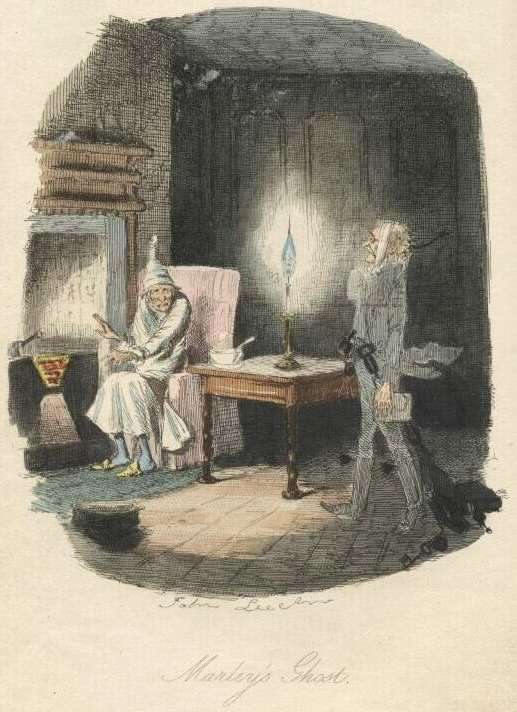
That night Scrooge is visited at home by Marley’s ghost, who wanders the Earth entwined by heavy chains and money boxes forged during a lifetime of greed and selfishness.  Marley tells Scrooge that he has a single chance to avoid the same fate and he will be visited by three spirits.  He must listen to them or be cursed to carry much heavier chains of his own.

Marley's Ghost: This original illustration is by John Leech is from the 1843 edition and is in the public domain. Image via Project Gutenberg
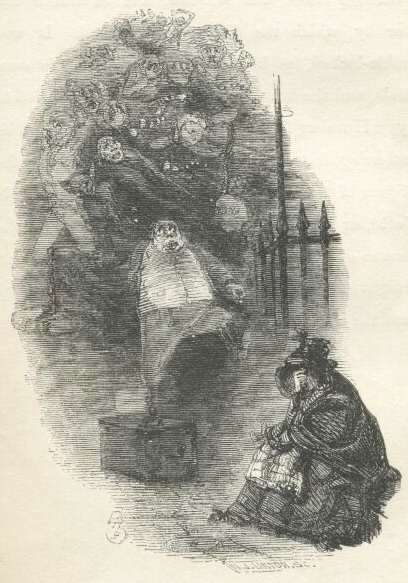
Wretched woman with an infant: This original illustration is by John Leech is from the 1843 edition and is in the public domain. Image via Project Gutenberg

Stave Two

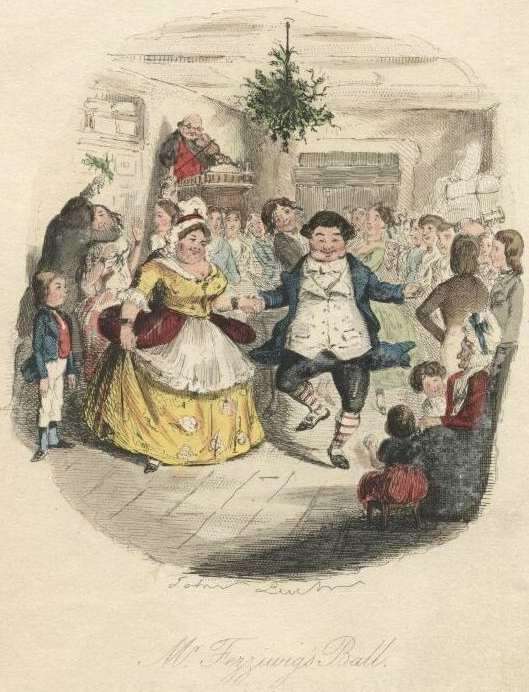
The first spirit, the Ghost of Christmas Past, takes Scrooge to the Christmas scenes of Scrooge’s boyhood, reminding him of a time when he was more innocent.  The scenes reveal Scrooge’s lonely childhood at boarding school, his relationship with his beloved sister Fan, and a Christmas party hosted by his first employer, Mr Fezziwig, who treated him like a son.  Scrooge’s neglected fiancée Belle is shown ending their relationship, as she realises that he will never love her as much as he loves money.  Finally, they visit a now-married Belle with her large, happy family on the Christmas Eve that Marley died.  Scrooge, upset by hearing Belle’s description of the man that he has become, demands that the ghost remove him from the house.

Mr. Fezziwig’s Ball: This original illustration is by John Leech is from the 1843 edition and is in the public domain. Image via Project Gutenberg
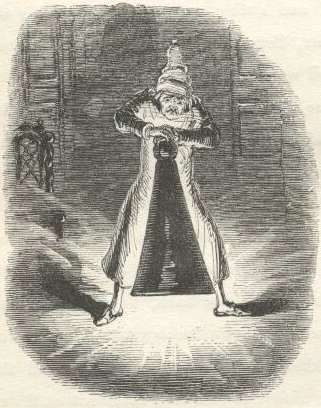
The Ghost of Christmas Past gets extinguished by Scrooge: This original illustration is by John Leech is from the 1843 edition and is in the public domain. Image via Project Gutenberg

Stave Three

The second spirit, the Ghost of Christmas Present, takes Scrooge to a joyous market with people buying the makings of Christmas dinner.  The Ghost then takes Scrooge to Bob Cratchit’s family feast and introduces his youngest son, Tiny Tim, a happy boy who is seriously ill.  The spirit informs Scrooge that Tiny Tim will die unless the course of events changes.  Afterwards, the spirit and Scrooge travel to celebrations of Christmas in a miner’s cottage, in a lighthouse, and on a ship at sea.  Scrooge and the ghost then visit Fred’s Christmas party.  Before disappearing, the spirit shows Scrooge two hideous, emaciated children named Ignorance and Want.  He tells Scrooge to beware them and mocks Scrooge’s concern for their welfare.

Scrooge’s Third Visitor: This original illustration is by John Leech is from the 1843 edition and is in the public domain. Image via Project Gutenberg
Ignorance and Want: This original illustration is by John Leech is from the 1843 edition and is in the public domain. Image via Project Gutenberg

Stave Four

The third spirit, the Ghost of Christmas Yet to Come, shows Scrooge a Christmas Day in the future.  The silent ghost reveals scenes involving the death of a disliked man whose funeral is attended by local businessmen only on condition that lunch is provided.  His charwoman, laundress and the local undertaker steal his possessions to sell to a fence.  When he asks the spirit to show a single person who feels emotion over his death, he is only given the pleasure of a poor couple who rejoice that his death gives them more time to put their finances in order.  When Scrooge asks to see tenderness connected with any death, the ghost shows him Bob Cratchit and his family mourning the death of Tiny Tim.  The ghost then allows Scrooge to see a neglected grave, with a tombstone bearing Scrooge’s name.  Sobbing, Scrooge pledges to change his ways.

Stave Five

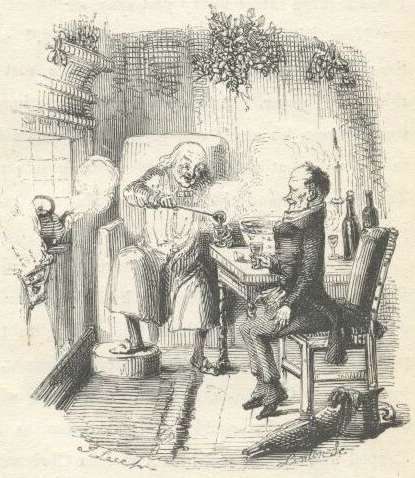
Scrooge awakens on Christmas morning a changed man.  He makes a large donation to the charity he rejected the previous day, anonymously sends a large turkey to the Cratchit home for Christmas dinner and spends the afternoon with Fred’s family.  The following day he gives Cratchit an increase in pay, and begins to become a father figure to Tiny Tim.  From then on Scrooge treats everyone with kindness, generosity and compassion, embodying the spirit of Christmas.

The Last of the Spirits: This original illustration is by John Leech is from the 1843 edition and is in the public domain. Image via Project Gutenberg
Scrooge and Bob Cratchit celebrate Christmas: This original illustration is by John Leech is from the 1843 edition and is in the public domain. Image via Project Gutenberg

Publication

As the result of the disagreements with Chapman and Hall over the commercial failures of Martin Chuzzlewit, Dickens arranged to pay for the publishing himself, in exchange for a percentage of the profits.  Production of A Christmas Carol was not without problems.  The first printing contained drab olive endpapers that Dickens felt were unacceptable, and the publisher Chapman and Hall quickly replaced them with yellow endpapers, but, once replaced, those clashed with the title page, which was then redone.  The final product was bound in red cloth with gilt-edged pages, completed only two days before the publication date of the 19th of December 1843.  Following publication, Dickens arranged for the manuscript to be bound in red Morocco leather and presented as a gift to his solicitor, Thomas Mitton.

Priced at five shillings (equal to £26 in 2022 pounds), the first run of 6,000 copies sold out by Christmas Eve.  Chapman and Hall issued second and third editions before the new year, and the book continued to sell well into 1844.  By the end of 1844 eleven more editions had been released.  Since its initial publication the book has been issued in numerous hardback and paperback editions, translated into several languages and has never been out of print.  It was Dickens’s most popular book in the United States, and sold over two million copies in the hundred years following its first publication there.

The high production costs upon which Dickens insisted led to reduced profits, and the first edition brought him only £230 (equal to £24,000 in 2022 pounds)  rather than the £1,000 (equal to £104,000 in 2022 pounds) he expected.  A year later, the profits were only £744, and Dickens was deeply disappointed.

Reception

According to Douglas-Fairhurst, contemporary reviews of A Christmas Carol “were almost uniformly kind”.  The Illustrated London News described how the story’s “impressive eloquence… its unfeigned lightness of heart… its playful and sparkling humour… its gentle spirit of humanity” all put the reader “in good humour with ourselves, with each other, with the season and with the author”.  The critic from The Athenaeum, the literary magazine, considered it a “tale to make the reader laugh and cry… to open his hands, and open his heart to charity even toward the uncharitable… a dainty dish to set before a King.”  William Makepeace Thackeray, writing in Fraser’s Magazine, described the book as “a national benefit and to every man or woman who reads it, a personal kindness.  The last two people I heard speak of it were women; neither knew the other, or the author, and both said, by way of criticism, ‘God bless him!'”

The poet Thomas Hood, in his own journal, wrote that “If Christmas, with its ancient and hospitable customs, its social and charitable observances, were ever in danger of decay, this is the book that would give them a new lease.”  The reviewer for Tait’s Edinburgh Magazine Theodore Martin, who was usually critical of Dickens’s work spoke well of A Christmas Carol, noting it was “a noble book, finely felt and calculated to work much social good”.  After Dickens’s death, Margaret Oliphant deplored the turkey and plum pudding aspects of the book but admitted that in the days of its first publication it was regarded as “a new gospel”, and noted that the book was unique in that it made people behave better.  The religious press generally ignored the tale but, in January 1884, Christian Remembrancer thought the tale’s old and hackneyed subject was treated in an original way and praised the author’s sense of humour and pathos.  The writer and social thinker John Ruskin told a friend that he thought Dickens had taken the religion from Christmas, and had imagined it as “mistletoe and pudding, neither resurrection from the dead, nor rising of new stars, nor teaching of wise men, nor shepherds”.

There were critics of the book. The New Monthly Magazine praised the story, but thought the book’s physical excesses, the gilt edges and expensive binding, kept the price high, making it unavailable to the poor.  The review recommended that the tale should be printed on cheap paper and priced accordingly.  An unnamed writer for The Westminster Review mocked Dickens’s grasp of economics, asking “Who went without turkey and punch in order that Bob Cratchit might get them for, unless there were turkeys and punch in surplus, someone must go without”.

Following criticism of the US in American Notes and Martin Chuzzlewit, American readers were less enthusiastic at first, but by the end of the American Civil War, copies of the book were in wide circulation.  In 1863 The New York Times published an enthusiastic review, noting that the author brought the “old Christmas… of bygone centuries and remote manor houses, into the living rooms of the poor of today”.

Aftermath

In January 1844 Parley’s Illuminated Library published an unauthorised version of the story in a condensed form which they sold for twopence.  Dickens wrote to his solicitor and said. “I have not the least doubt that if these Vagabonds can be stopped they must… Let us be the sledge-hammer in this, or I shall be beset by hundreds of the same crew when I come out with a long story.”

Two days after the release of the Parley version, Dickens sued on the basis of copyright infringement and won.  The publishers declared themselves bankrupt and Dickens was left to pay £700 in costs.  The small profits Dickens earned from A Christmas Carol further strained his relationship with his publishers, and he broke with them in favour of Bradbury and Evans, who had been printing his works to that point.

Dickens returned to the tale several times during his life to amend the phrasing and punctuation.  He capitalised on the success of the book by publishing other Christmas stories: The Chimes (1844), The Cricket on the Hearth (1845), The Battle of Life (1846) and The Haunted Man and the Ghost’s Bargain (1848).  These were secular conversion tales which acknowledged the progressive societal changes of the previous year, and highlighted those social problems which still needed to be addressed.  While the public eagerly bought the later books, the reviewers were highly critical of the stories.

Performances And Adaptations

By 1849 Dickens was engaged with David Copperfield and had neither the time nor the inclination to produce another Christmas book.  He decided the best way to reach his audience with his Carol philosophy was by public readings.  During Christmas 1853 Dickens gave a reading in Birmingham Town Hall to the Industrial and Literary Institute. The performance was a great success.  Thereafter, he read the tale in an abbreviated version 127 times, until 1870 (the year of his death), including at his farewell performance.

In the years following the book’s publication, responses to the tale were published by W. M. Swepstone (Christmas Shadows, 1850), Horatio Alger (Job Warner’s Christmas, 1863), Louisa May Alcott (A Christmas Dream, and How It Came True, 1882), and others who followed Scrooge’s life as a reformed man, or some who thought Dickens had got it wrong and needed to be corrected.

The novella was adapted for the stage almost immediately.  Three productions opened on the 5th of February 1844, one by Edward Stirling being sanctioned by Dickens and running for more than 40 nights.  By the close of February 1844 eight rival A Christmas Carol theatrical productions were playing in London.  The story has been adapted for film and television more than any of Dickens’s other works.  In 1901 it was produced as Scrooge, or, Marley’s Ghost, a silent black-and-white British film.  It was one of the first known adaptations of a Dickens work on film, but it is now largely lost.  The story was adapted in 1923 for BBC radio.  The story has been adapted to other media, including opera, ballet, animation, stage musicals and a BBC mime production starring Marcel Marceau.

Davis considers the adaptations have become better remembered than the original.  Some of Dickens’s scenes, such as visiting the miners and lighthouse keepers, have been forgotten by many, while other events often added, such as Scrooge visiting the Cratchits on Christmas Day are now thought by many to be part of the original story.  Accordingly, Davis distinguishes between the original text and the “remembered version”.

Read more here.

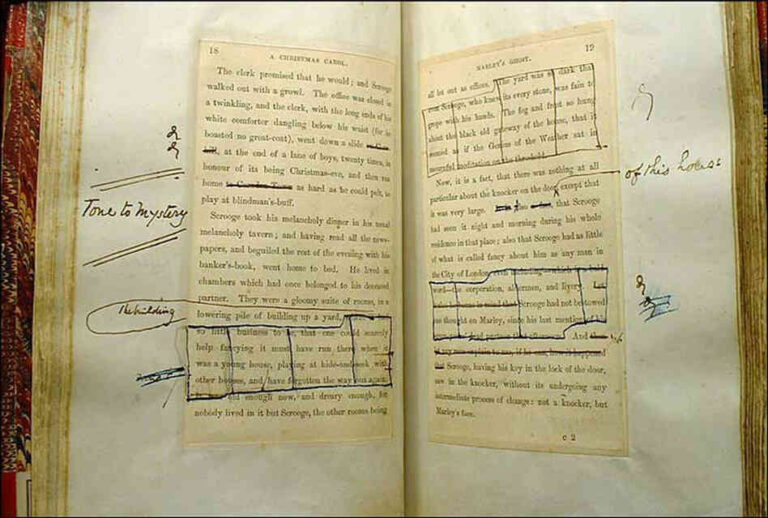
Charles Dickens’ hand-edited copy of A Christmas Carol. Image via Open Culture

You can read more about Charles Dickens’ hand-edited copy of A Christmas Carol here.

Legacy

The phrase Merry Christmas had been around for many years. The earliest known written use was in a letter in 1534 but Dickens’s use of the phrase in A Christmas Carol popularised it among the Victorian public.  The exclamation Bah! Humbug! entered popular use in the English language as a retort to anything sentimental or overly festive. The name Scrooge became used as a designation for a miser and was added to the Oxford English Dictionary as such in 1982

In the early 19th century the celebration of Christmas was associated in Britain with the countryside and peasant revels, disconnected to the increasing urbanisation and industrialisation taking place.  Davis considers that in A Christmas Carol, Dickens showed that Christmas could be celebrated in towns and cities, despite increasing modernisation.  The modern observance of Christmas in English-speaking countries is largely the result of a mid-Victorian revival of the holiday.  The Oxford Movement of the 1830’s and 1840’s had produced a resurgence of the traditional rituals and religious observances associated with Christmastide and, with A Christmas Carol, Dickens captured the zeitgeist while he reflected and reinforced his vision of Christmas.

Dickens advocated a humanitarian focus of the holiday, which influenced several aspects of Christmas that are still celebrated in Western culture, such as family gatherings, seasonal food and drink, dancing, games and a festive generosity of spirit.  The historian Ronald Hutton writes that Dickens “linked worship and feasting, within a context of social reconciliation”.
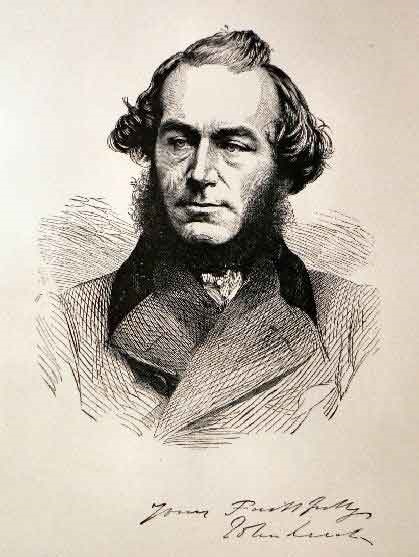
The novelist William Dean Howells, analysing several of Dickens’s Christmas stories, including A Christmas Carol, considered that by 1891 the “pathos appears false and strained; the humor largely horseplay; the characters theatrical; the joviality pumped; the psychology commonplace; the sociology alone funny”.   The writer James Joyce considered that Dickens took a childish approach with A Christmas Carol, producing a gap between the naïve optimism of the story and the realities of life at the time.

Ruth Glancy, the professor of English literature, states that the largest impact of A Christmas Carol was the influence felt by individual readers.  In early 1844 The Gentleman’s Magazine attributed a rise of charitable giving in Britain to Dickens’s novella.  In 1874, Robert Louis Stevenson, after reading Dickens’s Christmas books, vowed to give generously to those in need, and Thomas Carlyle expressed a generous hospitality by hosting two Christmas dinners after reading the book.  In 1867 one American businessman was so moved by attending a reading that he closed his factory on Christmas Day and sent every employee a turkey, while in the early years of the 20th century Maud of Wales (the Queen of Norway) sent gifts to London’s crippled children signed “With Tiny Tim’s Love”.  On the novella, the author G. K. Chesterton wrote “The beauty and blessing of the story… lie in the great furnace of real happiness that glows through Scrooge and everything around him… Whether the Christmas visions would or would not convert Scrooge, they convert us.”

Analysing the changes made to adaptations over time, Davis sees changes to the focus of the story and its characters to reflect mainstream thinking of the period.  While Dickens’s Victorian audiences would have viewed the tale as a spiritual but secular parable, in the early 20th century it became a children’s story, read by parents who remembered their parents reading it when they were younger.  In the lead-up to and during the Great Depression, Davis suggests that while some saw the story as a “denunciation of capitalism…most read it as a way to escape oppressive economic realities”.  The film versions of the 1930’s were different in the UK and US.  British-made films showed a traditional telling of the story, while US-made works showed Cratchit in a more central role, escaping the depression caused by European bankers and celebrating what Davis calls “the Christmas of the common man”.  In the 1960’s, Scrooge was sometimes portrayed as a Freudian figure wrestling with his past.  By the 1980’s he was again set in a world of depression and economic uncertainty.

Read more here

Blog Posts

Notes And Links

The images above are in the Public Domain via Wikipedia and Project Gutenberg.

Charles Dickens Museum – Official website.  The museum is situated at 48 Doughty Street, Dickens’s London home from 1837-1839.  He moved there with his wife Catherine and their eldest son Charlie.   After the Dickenses left Doughty Street, the property was largely used as a boarding house until the Dickens Fellowship purchased it as their headquarters in 1923.  The house opened to the public in 1925 and houses a significant collection linked to Dickens and his works. 

Today the Charles Dickens Museum is set up as though Dickens himself had just left.  It appears as a fairly typical middle-class Victorian home, complete with furnishings, portraits and decorations which are known to have belonged to Dickens.  A visit to the museum allows you to step back into 1837 and to see a world which is at once both intimately familiar, yet astonishingly different.  A world in which one of the greatest writers in the English language, found his inspiration. 

Charles Dickens Museum official Facebook page.

Charles Dickens Museum official Twitter page.

Project Gutenberg – Official website.  Project Gutenberg is an online library of free e-books and was the first provider of free electronic books.  Michael Hart, the founder of Project Gutenberg, invented e-books in 1971 and his memory continues to inspire the creation of them and related content today.

Open Culture – Official website.  Open Culture scours the web for the best educational media.  They find the free courses and audio books you need, the language lessons and educational videos you want, and plenty of enlightenment in between.
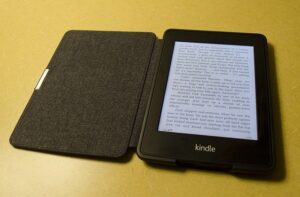
E-Books: Free Horror E-Books

Image © of BruceEmmerling via Pixabay

In the Index below is a selection of FREE Horror E-Books for your reading pleasure.

They come in PDF format and if you don’t have a PDF reader you can download one from here.  To get Epub and Kindle format versions become a member of Free-ebooks.net by clicking the link below.

Free Horror E-Books Index

Dracula by Bram Stoker.  Count Dracula is a vampire who terrifies the countryside in his quest for human blood, but the residents soon learn his real identity and vow to destroy him.

The Phantom Of The Opera by Gaston Leroux.  A disfigured musical genius haunts the catacombs under the Paris Opera and terrifies the community until he falls in love with Christine, a budding young singer. 

Blog Posts

Notes And Links

BruceEmmerling on Pixabay – The image shown at the top of this page is the copyright of BruceEmmerling.  You can find more great work from the photographer Bruce and lots more free stock photo’s at Pixabay.

Free-eBooks.net – Official website.  Free-eBooks.net is the internet’s number one source for free e-book downloads, e-book resources & e-book authors.  Read and download e-books for FREE – anytime. 

Use the link above to sign up and enjoy five free e-books each and every month with a Standard Account or upgrade to V.I.P. status for unlimited e-book and audiobook downloads.  

Universal Classic Monsters

Image © of Universal Pictures via Wikipedia

Ever since I was little I have loved Universal classic monsters, for it is they that started my love of Horror off, even if they scared the hell out of me at first and I hid under my Mom’s arm or behind the settee at first watching them, ha ha.  That changed the older I got. 

When Halloween comes around you can be sure someone is wearing an Halloween costume that relates to one of the classic monsters mentioned below.

There will be more references to Universal Classic Monsters in the appropriate Decades sections and articles via the Horror index below.

Universal Classic Monsters

Universal Classic Monsters (also known as Universal Monsters and Universal Studios Monsters) is a media franchise based on a series of horror films primarily produced by Universal Pictures from the 1930s to the 1950s.  Although not initially conceived as a franchise, the enduring popularity and legacy of the films and the characters featured in them have led the studio to market them under the collective brand name of Universal Studios Monsters.  Steve Jones of USA Today described Universal’s most famous monsters as pop culture icons, specifically Dracula, Frankenstein, The Mummy and The Wolf Man.

Universal Pictures image from the Internet Archive via Wikipedia and is in the public domain

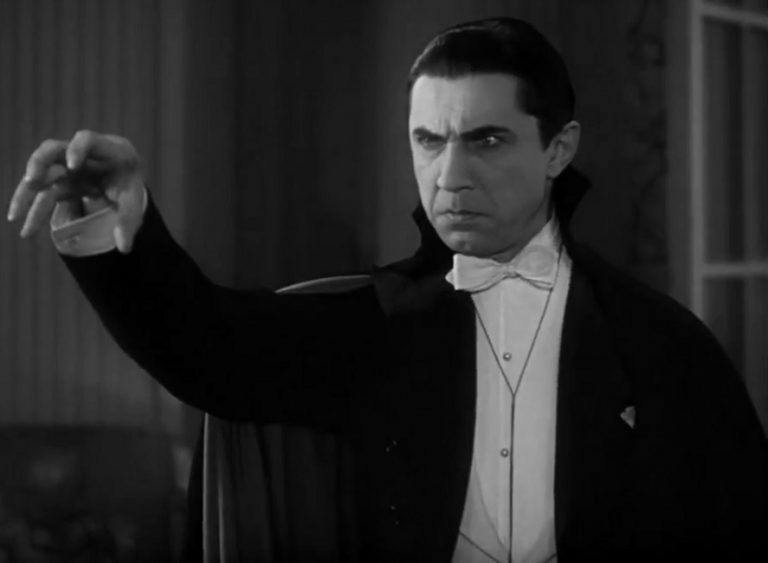
Bela Lugosi as Dracula.

This is a screenshot from the Internet Archive of the classic 1931 film Dracula.  You can see the trailer it came from here

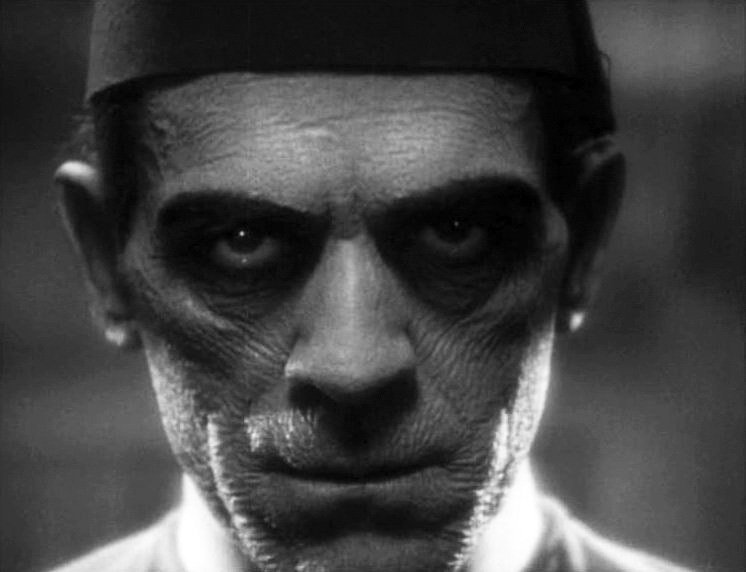
Universal Pictures image via Wikipedia and is the public domain

Boris Karloff as The Mummy.

This is a screenshot from the Internet Archive of the classic 1932 film The Mummy.  You can see the trailer it came from here

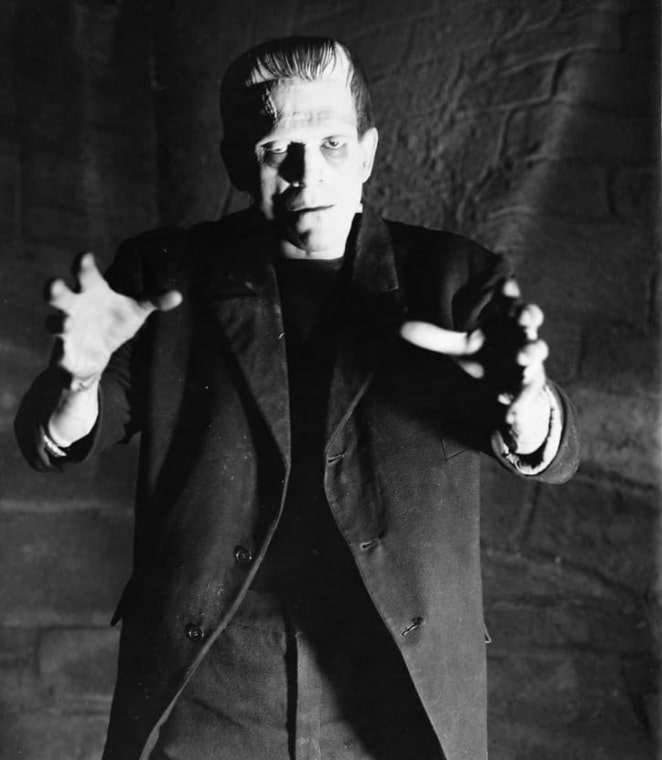
Universal Pictures image via IMDb

Boris Karloff as Frankenstein’s Monster.

Directed by James Whale.

You can see the trailer for the classic Frankenstein film from 1931 via The Internet Archive here.

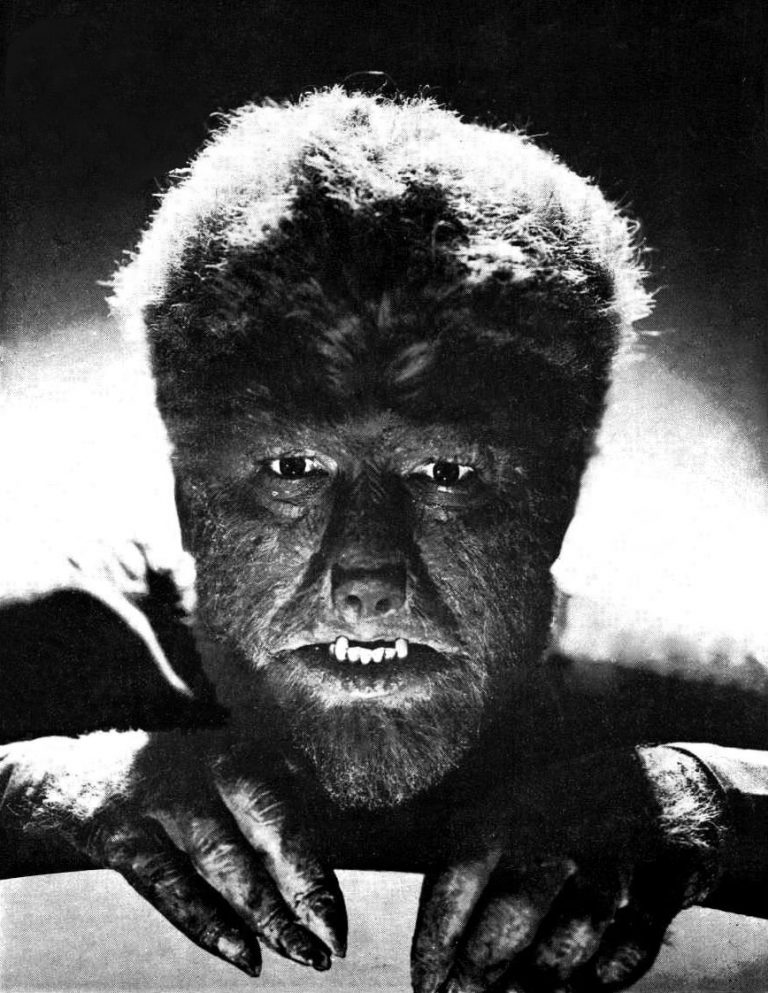
Universal Pictures image via Wikipedia and is the public domain

Lon Chaney Jnr. as The Wolf Man.

This promotional photo is from the classic1941 film The Wolf Man.

You can see the trailer for The Wolf Man via The Internet Archive here.

See more photos and relevant information further down below.

Universal Monsters Films 

For an extensive list of Universal Monsters Films click here.

Universal Monsters Films Free To Watch

Below are just some of the great Universal Monsters films for you to enjoy.

They are not all classic films to me but if I have watched one and I think it is I will say so.

The Phantom Of The Opera 1925 Silent Film In Full

Watch the classic 1925 silent film The Phantom Of The Opera starring Lon Chaney via The Internet Archive here.

See information about this classic film further down at the top of the page.

Dracula 1931 In Full

Watch the classic 1931 film Dracula starring Bela Lugosi via The Internet Archive here.

See information about this classic film at the top of the page.

Frankenstein 1931 In Full

Watch the classic 1931 film Frankenstein starring Boris Karloff via The Internet Archive here.

See information about this classic film at the top of the page.

The Mummy 1932 In Full

Watch the classic 1932 film The Mummy starring Boris Karloff via The Internet Archive here.

See information about this classic film at the top of the page.

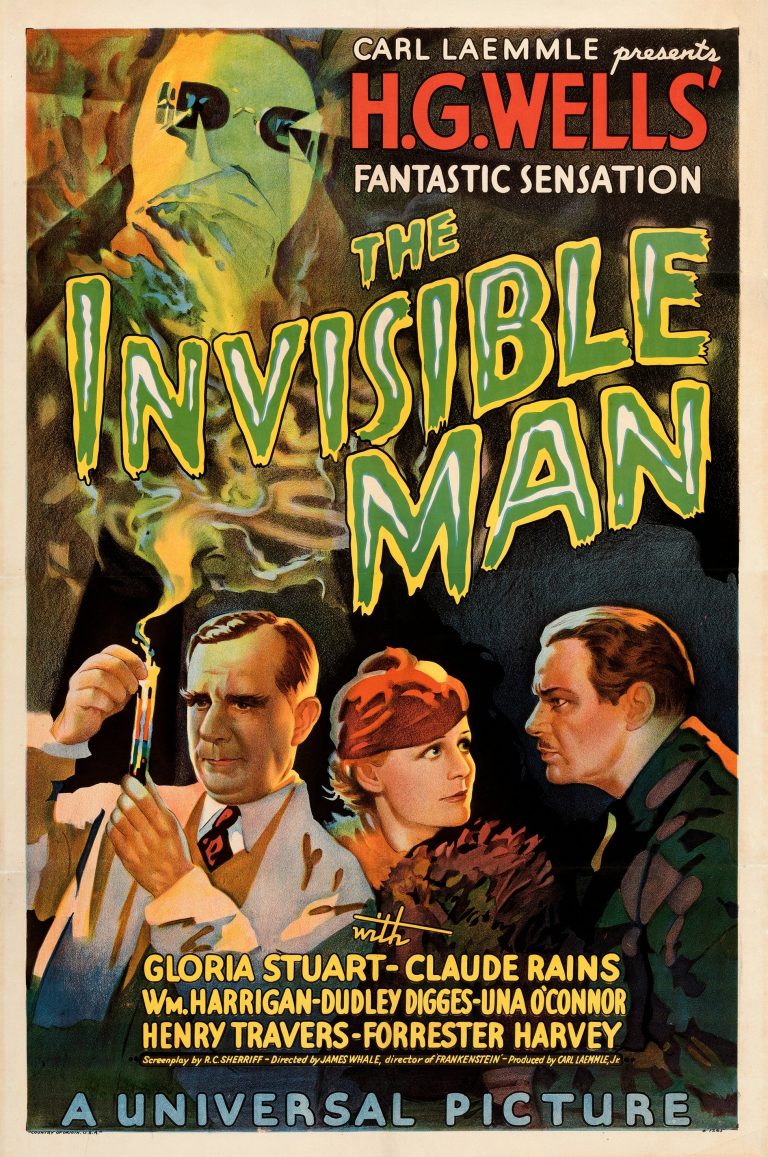
The Invisible Man 1933 In Full

Watch the classic 1933 film The Invisible Man starring Claude Rains via The Internet Archive here.

See information about this classic film further down at the bottom of the page.

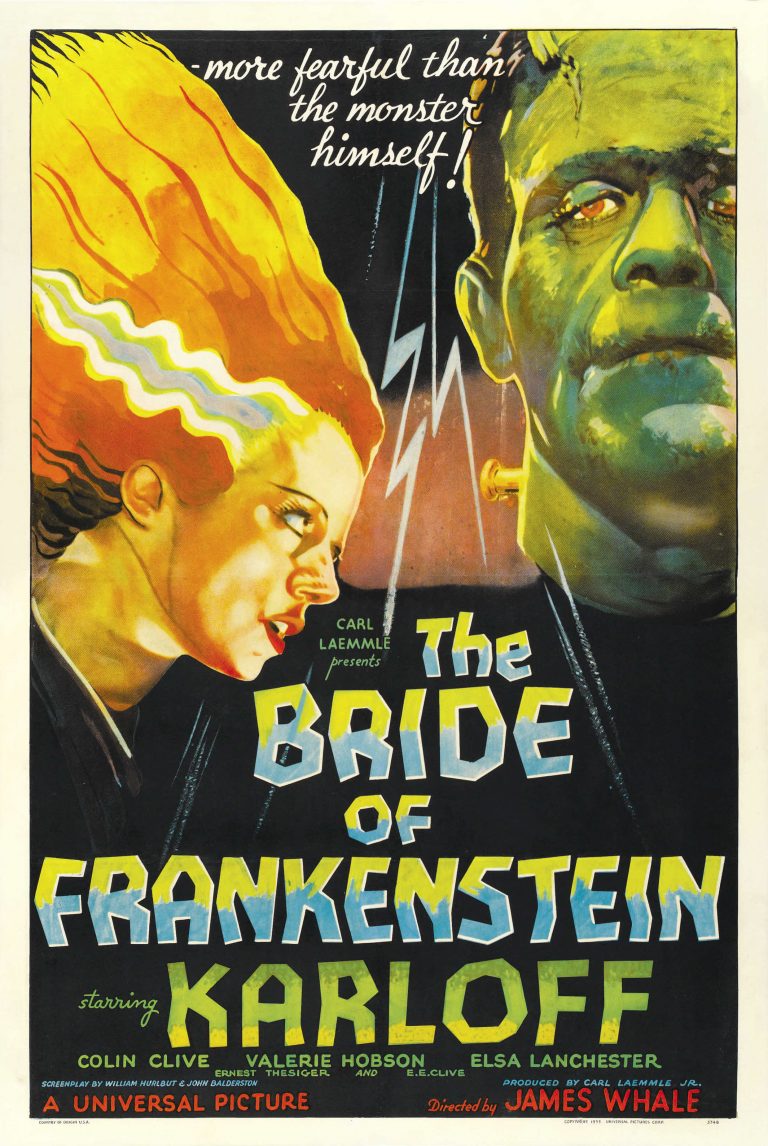
The Bride Of Frankenstein 1935 In Full

Watch the 1935 film The Bride Of Frankenstein starring Boris Karloff via The Internet Archive here.

See information about this film further down at the bottom of the page.

Frankenstein Meets The Wolf Man 1942 In Full

Watch the 1942 film Frankenstein Meets The Wolf Man starring Boris Karloff and Lon Chaney Jnr via The Internet Archive here.

See information about this film further down at the bottom of the page.

Universal Classic Monsters Home Video 

Image © of Universal Pictures via Wikipedia

Universal Classic Monsters logo.

This is the official franchise logo as displayed on home video releases

Louis Feola was the head of Worldwide Home Video for Universal Studios and said in 1999 that “a couple of years ago” he decided to “reinvigorate and re-market” Universal’s Classic Monsters catalogue which included the series Dracula, Frankenstein, The Invisible Man, The Phantom of the Opera, The Wolf Man, and The Mummy.  In 1992, in an interview with Billboard, Feola stated that to market and sell home video, the most important thing was the packaging of their sales which was “probably our single biggest priority and has been for a number of years”, and that it was key to make the series of films “look like a line”.

In 1995, MCA/Universal released a collection of the film on home video under the title The Universal Studios Monsters Classic Collection.  This series included Frankenstein, Dracula, The Mummy, The Invisible Man, and The Creature From the Black Lagoon series.  A collection of stamps featuring Universal Classic Monsters was also released in September 1997 titled the Universal Classic Movie Monsters series.  Other characters included in the series included the Mummy and Frankenstein’s monster, both played by Boris Karloff), the Phantom of the Opera played by Lon Chaney and the Wolf Man played by Lon Chaney Jnr.

Universal Classic Monsters Merchandising

After the Universal horror films were syndicated to television, this led to a rise in the popularity of merchandise based on Frankenstein’s monster and Dracula.  Throughout the 1960s and into the 1970s, the Universal monsters were promoted via merchandising which included: Halloween costumes, Aurora model kits, paperback novelizations, makeup how-to manuals, T-shirt iron-ons, posters, trading cards, and more.  Since 1991, Halloween Horror Nights at Universal Parks & Resorts have featured characters from the Universal Classic Monsters franchise.  From 2006 to 2014, the characters also appeared in the year-round walk-through attraction, Universal’s House of Horrors, at Universal Studios Hollywood.  The franchise is also the central theme of Universal’s Horror Make-Up Show.  The live show opened in 1990 at Universal Studios Florida and is still in operation.  Merchandising of the characters in formats such as clothing and board games has continued into the 21st century.

Universal Monsters Comics

Dark Horse Comics

You can read more about Dark Horse Comics here

Dark Horse Comics released comic adaptions of several of the films, featuring four one-shots and one collected edition, in 1993 and 2006, respectively.  

You can see which comics Dark Horse Comics produced here.

Skybound Entertainment 

You can read more about Skybound Entertainment here.

Skybound Entertainment, an Image Comics company, will publish a new series of Universal Monsters comic books.

You can read more about Image Comics here.

You can see which comics Skybound Entertainment produced here.

Universal Monsters Photos

Below are just some of the great Universal Monsters films photos for you to enjoy.  They are not all classic films to me but if I have watched one and I  think it is I will say so.

Universal Pictures image via IMDb

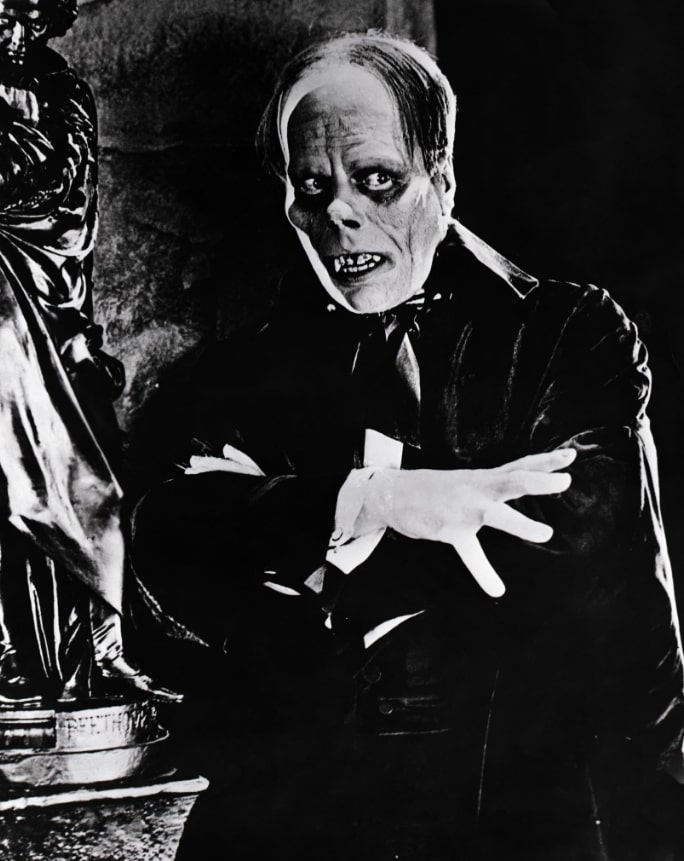
Lon Chaney as The Phantom Of The Opera.

This photo is from the classic 1925 silent film The Phantom Of The Opera.  

You can see the trailer for The Phantom Of The Opera via the Internet Archive here.

Universal Pictures image by unknown via Wikipedia and is the public domain

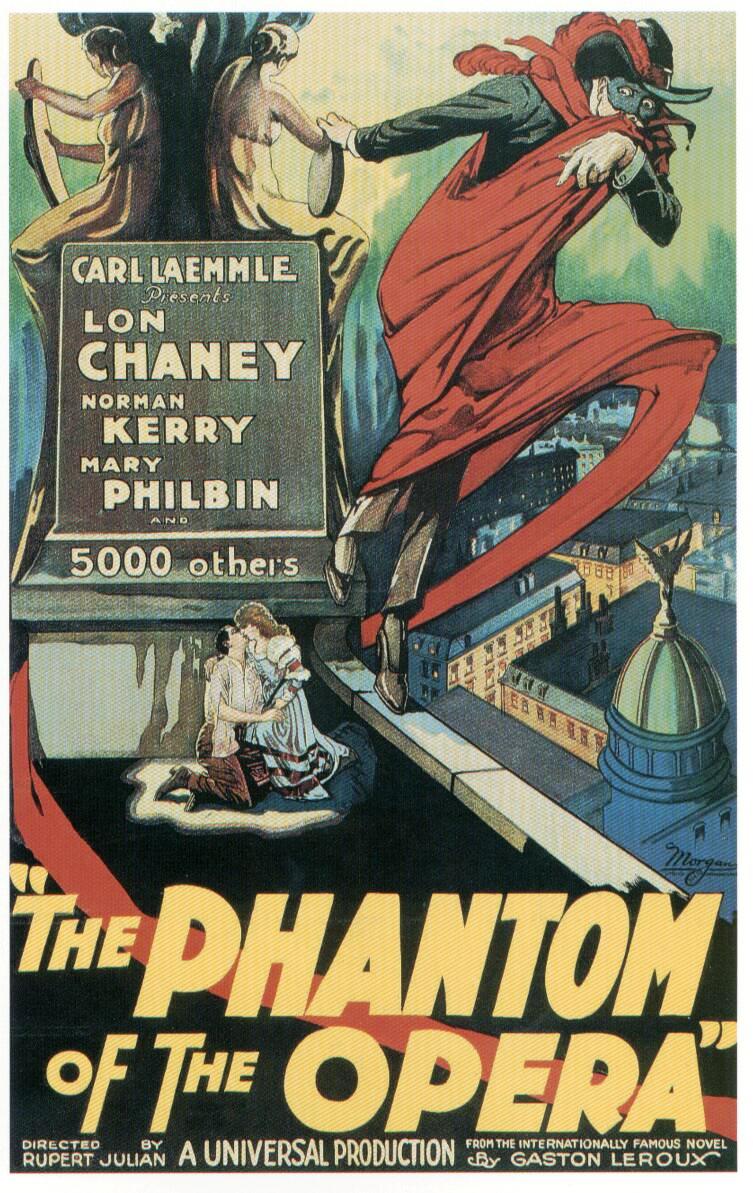
The Phantom Of The Opera 1925 film poster.

Universal Pictures image by unknown via Wikipedia and is the public domain

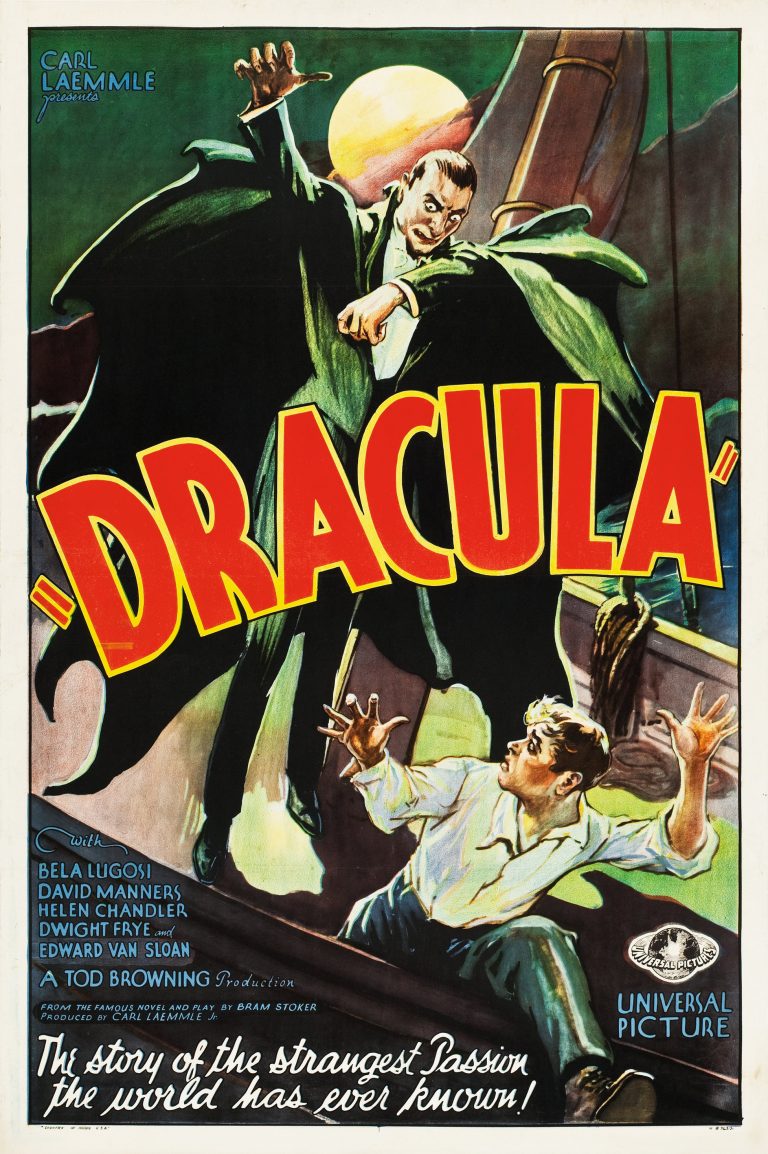
Dracula 1931 film poster.

See information about this classic film at the top of the page.

Universal Pictures image by Karoly Grosz via Wikipedia and is the public domain

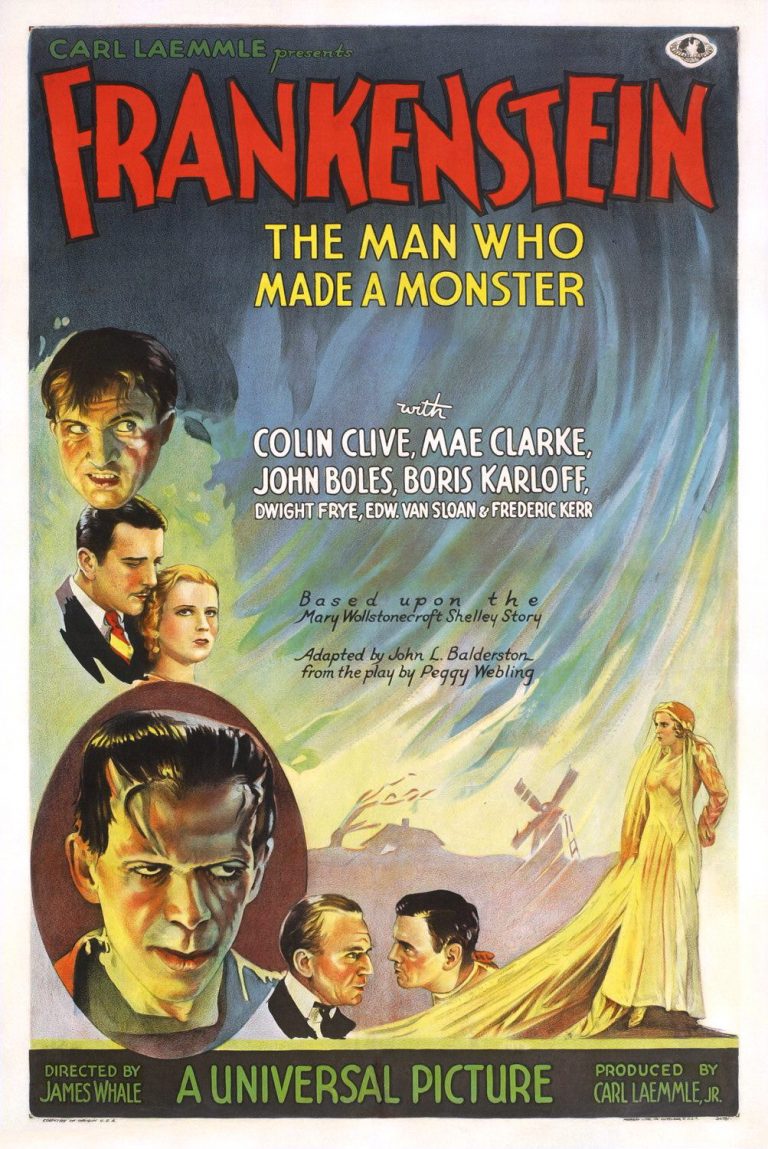
Frankenstein 1931 film poster.

See information about this classic film at the top of the page.

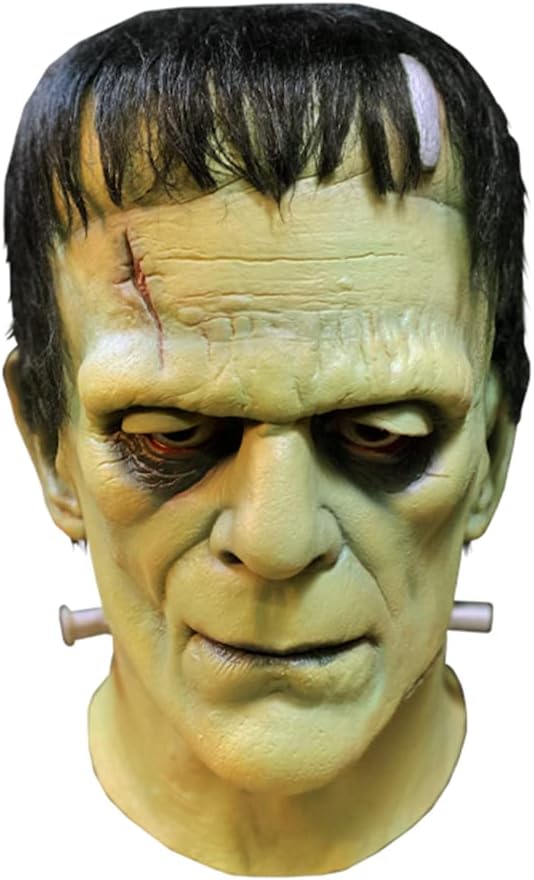
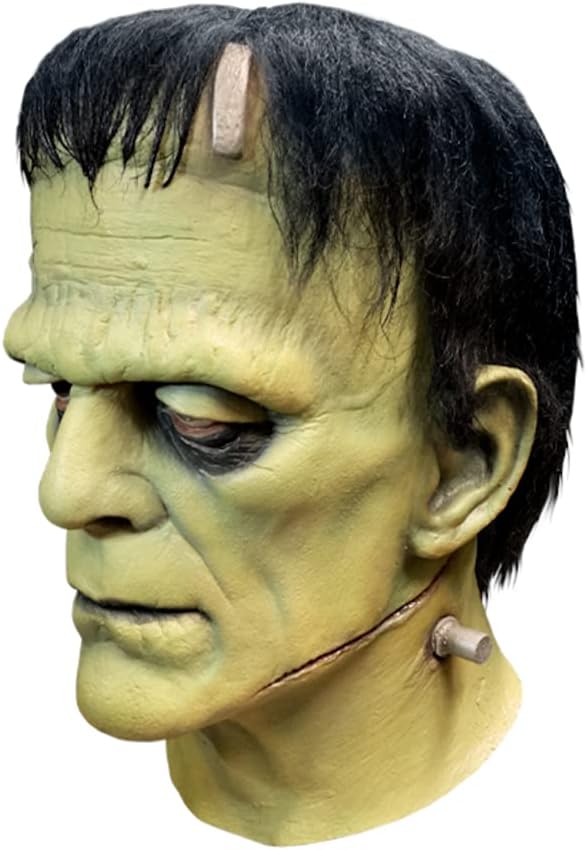
Image © Universal via Universal Studios and Trick Or Treat Studios

The EXCELLENT Frankenstein mask from Trick Or Treat Studios.

This is a very cool Universal Classic Monsters mask I purchased for Halloween 2023.  It is officially licenced by Universal Studios and made for Trick Or Treat StudiosIt is, to date, the favourite mask I have in my mask collection and what I have worn for Halloween parties.  To see me in this and many more masks click here.

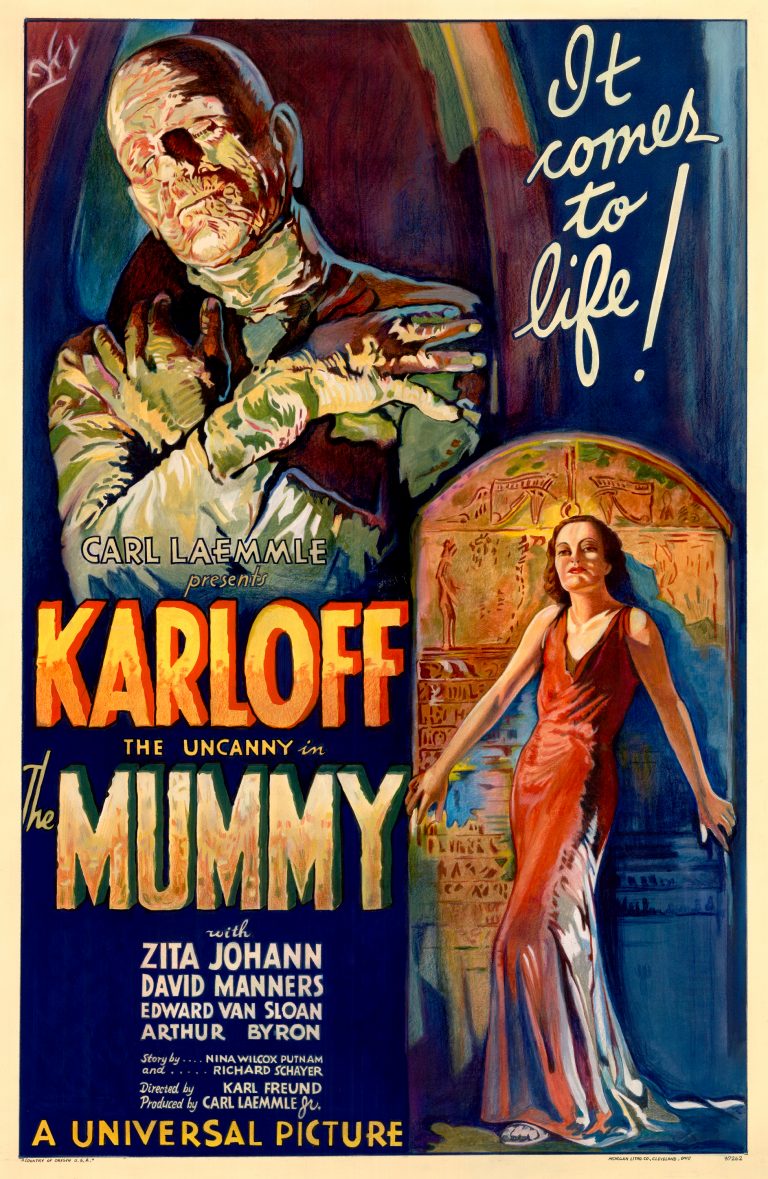
Universal Pictures image by Karoly Grosz via Wikipedia and is the public domain

The Mummy 1932 film poster.

See information about this classic film at the top of the page.

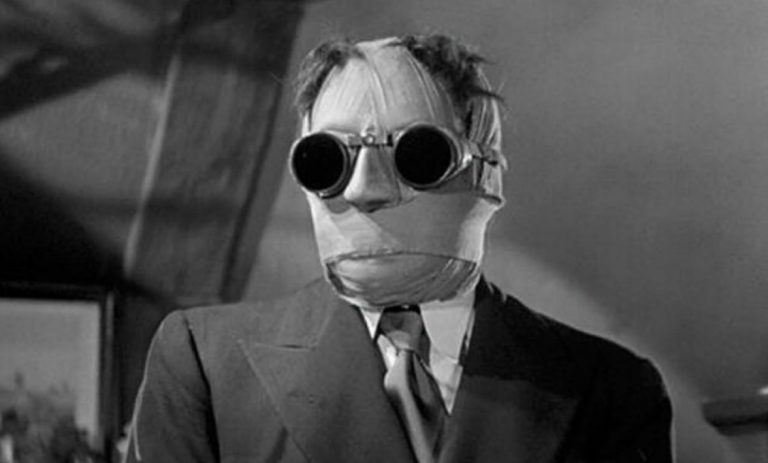
Universal Pictures image via IMDb

Claude Rains as The Invisible Man.

This photo is from the classic 1933 film The Invisible Man

Directed by James Whale.

You can see the trailer for The Invisible Man via YouTube here.

Universal Pictures image by Karoly Grosz via Wikipedia and is the public domain

The Invisible Man 1933 film poster.

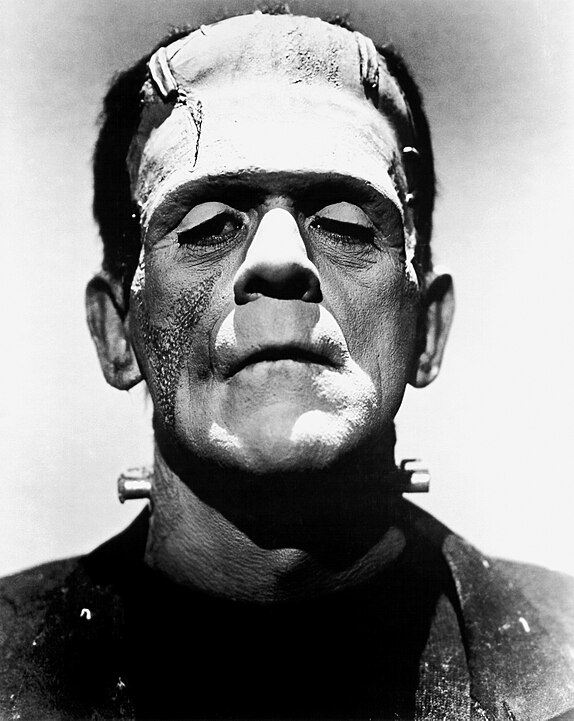
Universal Pictures image via Wikipedia and is the public domain

Boris Karloff as Frankenstein’s Monster.

This promotional photo is from the 1935 film The Bride of Frankenstein.

Directed by James Whale.

You can see the trailer for The Bride Of Frankenstein via the Internet Archive here.

Universal Pictures image via Wikipedia and is the public domain
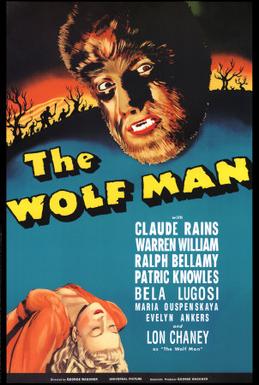
Image © of Universal Pictures via Wikipedia

The Wolf Man 1942 film poster.

See information about this classic film at the top of the page.

Universal Pictures image via IMDb

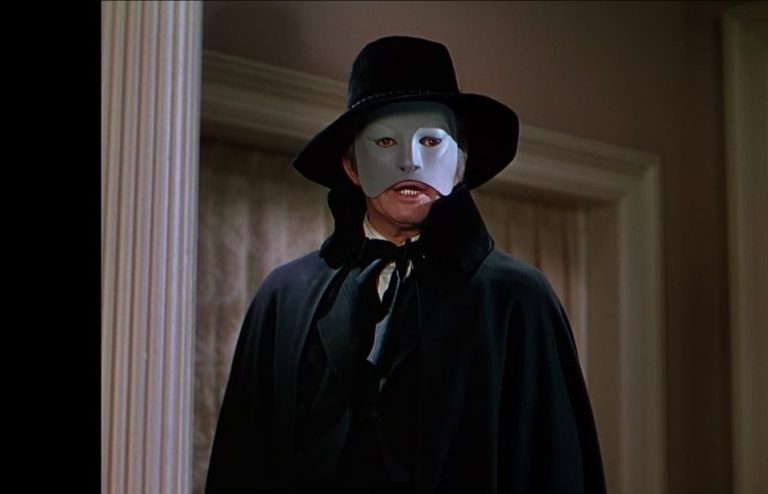
Nelson Eddy as The Phantom Of The Opera.

This photo is from the 1943 film Phantom Of The Opera

You can see the trailer for Phantom Of The Opera via YouTube here.

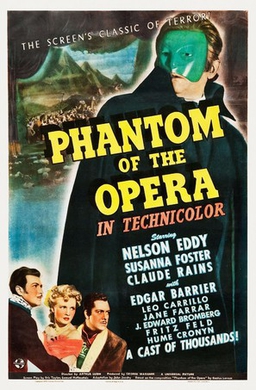
Universal Pictures via Wikipedia and is the public domain

Phantom Of The Opera 1943 film poster.

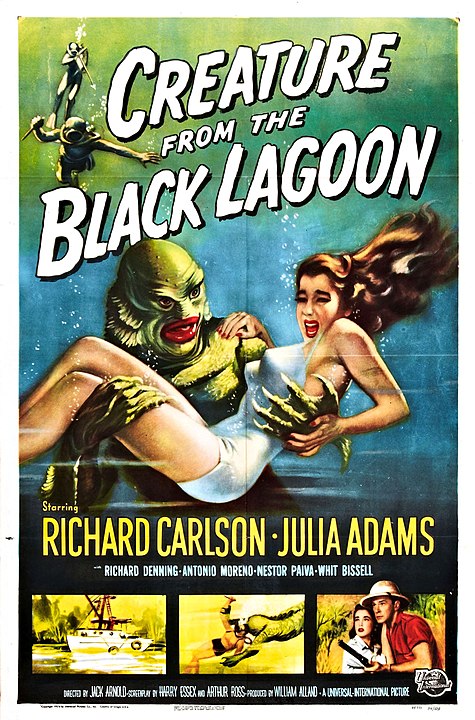
Universal Pictures via Wikipedia and is the public domain

Creature From The Black Lagoon 1945 film poster.

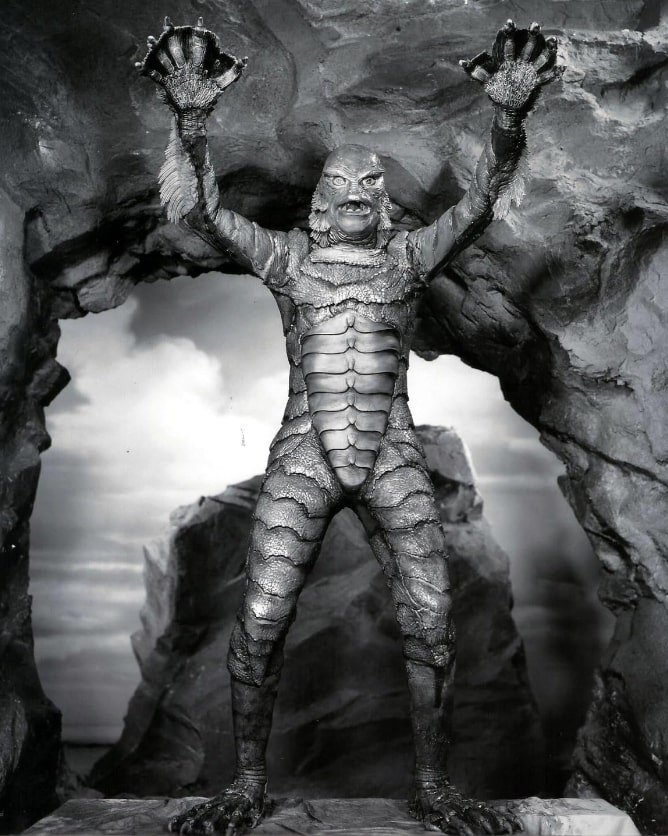
Universal Pictures via IMDb

Ben Chapman as The Creature From The Black Lagoon. 

There were two men playing the creature in the film, Ricou Browning in the water and Ben Chapman out of the water (shown here).  None of them were credited which was unfair in my opinion considering they were both playing the actual monster in the film title and for that reason, I have rightly acknowledged them both here.

This photo is from the 1954 film Creature From The Black Lagoon

You can see the trailer for Creature From The Black Lagoon via the Internet Archive here.

You can see references and sources to the above articles here.  The above was sourced from a page on Wikipedia and is subject to change. 

Blog Posts

Links

Universal Pictures – Official website.  The image shown at the top of this page, and elsewhere, of the Universal Classic Monsters logo is the copyright of Universal Pictures and was taken from Wikipedia.

The image above of Bela Lugosi as Dracula is from the Internet Archive via Wikipedia and is in the public domain.

The image above of Boris Karloff as The Mummy is from the Internet Archive via Wikipedia and is in the public domain.

The image above of Boris Karloff as Frankenstein’s Monster is via Wikipedia and in the public domain.

The image above of Lon Chaney Jnr. as The Wolf Man is via Wikipedia.

The image above of Lon Chaney as The Phantom Of The Opera is via IMDb.

The image above of  The Phantom Of The Opera 1925 film poster by unknown is via Wikipedia and in the public domain.

The image above of the Dracula 1931 film poster by unknown is via Wikipedia and in the public domain.

The image above of the Frankenstein 1931 film poster by Karoly Grosz is via Wikipedia and in the public domain.

The Frankenstein mask photos above are copyright of Universal via Universal Studios and Trick Or Treat Studios.

The image above of The Mummy 1932 film poster by Karoly Grosz is via Wikipedia and in the public domain.

The image above of Claude Rains as The Invisible Man is from IMDb.

The image above of The Invisible Man 1933 film poster by Karoly Grosz is via Wikipedia and in the public domain.

The image above of Frankenstein’s monster is via Wikipedia and in the public domain.

The image above of The Bride Of Frankenstein 1935 film poster is via Wikipedia and in the public domain.

The image above of The Wolf Man 1942 film poster by unknown is via Wikipedia.

The image above of Nelson Eddy as The Phantom Of The Opera is via IMDb.

The image above of Phantom Of The Opera 1943 film poster by inknown is via Wikipedia and in the public domain.

IMDb on Facebook.

IMDb on Twitter.

IMDb on YouTube.

Universal Pictures – U.K. official website.

Universal Pictures on YouTube.

Universal Pictures on Facebook.

Universal Pictures on Twitter.

Universal Studios – Official website.

Universal Studios on YouTube.

Universal Studios on Facebook.

Universal Studios on Twitter.

Trick Or Treat Studios – Official website.

Trick Or Treat Studios on YouTube.

Trick Or Treat Studios on Facebook.

Trick Or Treat Studios on Twitter.

Trick Or Treat Studios on Instagram.

Trick Or Treat Studios on TikTok.

Wikipedia – Official website.  Wikipedia is a free online encyclopedia that anyone can edit in good faith. Its purpose is to benefit readers by containing information on all branches of knowledge.  Hosted by the Wikimedia Foundation, it consists of freely editable content, whose articles also have numerous links to guide readers to more information. 

Horror

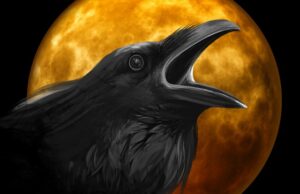
Image © of Alexa_Fotos via Pixabay

What is there not to like about horror? It is an escapism from the real world and so damn cool.  I love so much about it.  This page concentrates on the Horror genre and anything I post about that can be seen in Blog Posts below.

I have been a fan of Horror, particularly Horror films since I was little.  I have loved Universal classic monsters, for it is they that started my love of Horror off, even if they scared the hell out of me at first and I hid under my Mom’s arm or behind the settee at first watching them., ha ha.  That changed the older I got. 

If you mention anything to do with horror then it is inevitable Halloween is mentioned. 

Growing up in England from a child to a teenager in the 1960’s, 1970’s and 1980’s, Halloween was an American thing you saw on the telly.  There was no dressing up and trick-or-treating, not in my family home anyway.  Even when my kids were younger I never really bothered much about Halloween.  It was just all too American for me and just liked the English traditions I was brought up with.  They had fun wearing masks, bobbing for apples etc. but we never went out dressed up knocking on people’s doors.  in fact, I don’t recall ever seeing anyone else do it either. 

Nowadays all of the above is a common sight.  I am no killjoy and I don’t knock anyone who really enjoys it.  I admit it’s a fun thing for kids to do and a good excuse for a party for the adults which I have enjoyed going to in the past few years.  When you have suffered from depression and anxiety for as long as I have, just to be included can be a lifesaver.

The main thing I like about Halloween is dressing up and the Horror theme to it.  I have never celebrated  Halloween in my life in the past because, since I was a kid, I have loved horror.  Every day is Halloween for me, ha ha. 

About Horror 

Horror is a genre of fiction that is intended to disturb, frighten or scare. Horror is often divided into the sub-genres of psychological horror and supernatural horror, which are in the realm of speculative fiction.  Literary historian J. A. Cuddon, in 1984, defined the horror story as “a piece of fiction in prose of variable length… which shocks, or even frightens the reader, or perhaps induces a feeling of repulsion or loathing”.  Horror intends to create an eerie and frightening atmosphere for the reader.  Often the central menace of a work of horror fiction can be interpreted as a metaphor for larger fears of a society.

Prevalent elements include ghosts, demons, vampires, monsters, zombies, werewolves, the Devil, serial killers, extraterrestrial life, killer toys, psychopaths, gore, torture, evil clowns, cults, cannibalism, vicious animals, the apocalypse, evil witches, dystopia and man-made or natural disasters. 

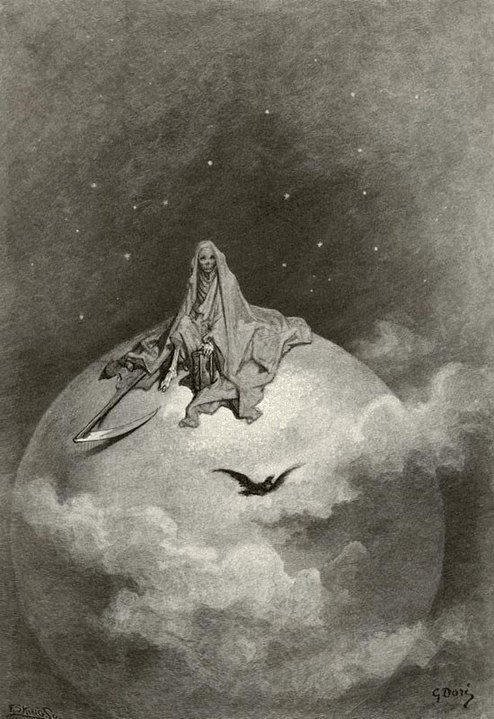
Image by Gustave Dore via wikipedia and is in the public domain

The Raven by Gustave Dore.

This is an illustration of the 1884 edition of Edgar Allan Poe’s The Raven.  It is referring to the illustration “Doubting, dreaming dreams no mortal ever dared to dream before.”

The History Of Horror 

Before 1000

The horror genre has ancient origins, with roots in folklore and religious traditions focusing on death, the afterlife, evil, the demonic and the principle of the thing embodied in the person.  These manifested in stories of beings such as demons, witches, vampires, werewolves and ghosts.  European horror fiction became established through the works of the Ancient Greeks and Ancient Romans.  Mary Shelley’s well-known 1818 novel about Frankenstein was greatly influenced by the story of Hippolytus, whom Asclepius revives from death.  Euripides wrote plays based on the story, Hippolytos Kalyptomenos and Hippolytus.  In Plutarch’s The Lives of the Noble Grecians and Romans in the account of Cimon, the author describes the spirit of a murderer, Damon, who himself was murdered in a bathhouse in Chaeronea.

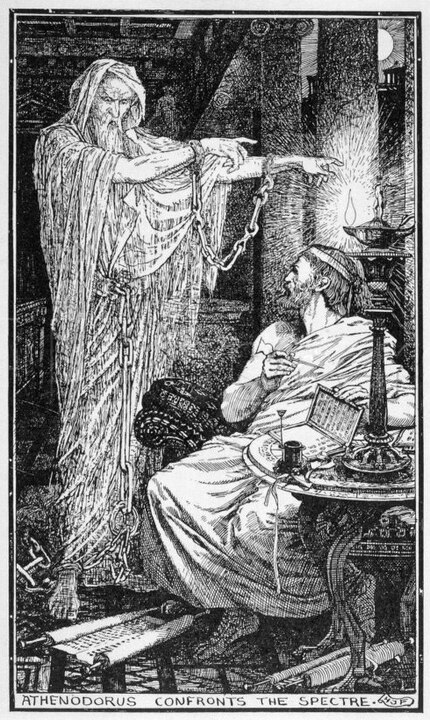
Pliny the Younger (61 to circa 113) tells the tale of Athenodorus Cananites, who bought a haunted house in Athens.  Athenodorus was cautious since the house seemed inexpensive.  While writing a book on philosophy, he was visited by a ghostly figure bound in chains.  The figure disappeared in the courtyard and the following day, the magistrates dug in the courtyard and found an unmarked grave.

Elements of the horror genre also occur in Biblical texts, notably in the Book of Revelation.

After 1000

The Witch of Berkeley by William of Malmesbury has been viewed as an early horror story.  Werewolf stories were popular in medieval French literature. One of Marie de France’s twelve lais is a werewolf story titled Bisclavret.

The Countess Yolande commissioned a werewolf story titled Guillaume de Palerme.  Anonymous writers penned two werewolf stories, Biclarel and Melion.

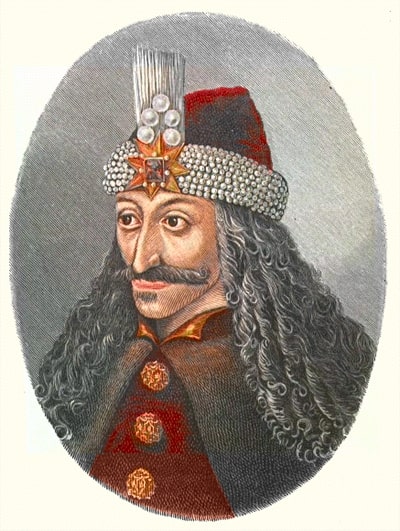
Much horror fiction derives from the cruellest personages of the 15th century.  Dracula can be traced to the Prince of Wallachia Vlad III, whose alleged war crimes were published in German pamphlets.  A 1499 pamphlet was published by Markus Ayrer, which is most notable for its woodcut imagery.  The alleged serial killer sprees of Gilles de Rais have been seen as the inspiration for Bluebeard.  The motif of the vampiress is most notably derived from the real-life noblewoman and murderer, Elizabeth Bathory, and helped usher in the emergence of horror fiction in the 18th century, such as through Laszlo Turoczi’s 1729 book Tragica Historia.

Image by unknown via wikipedia and is in the public domain

Vlad The Impaler.

This is a portrait of Vlad Tzepesh (Vlad III).  He was the inspiration for Count Dracula.  Tzepesh ruled from 1455 – 1462 and 1483 – 1496.

18th Century

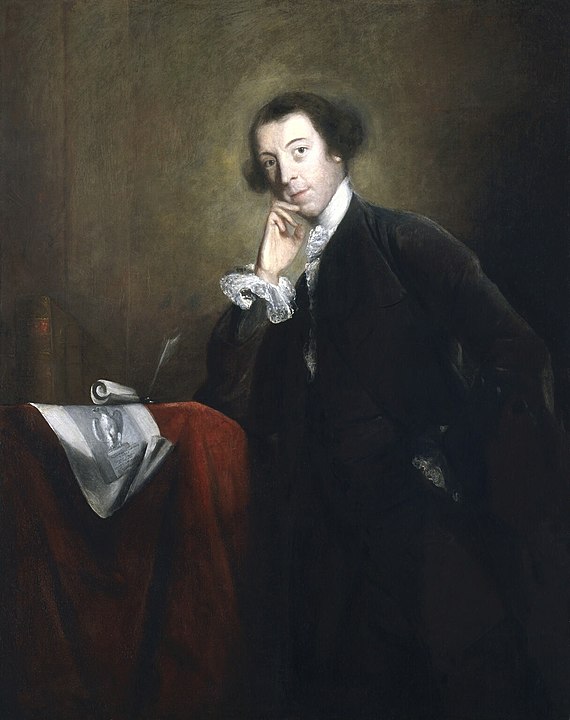
The 18th century saw the gradual development of Romanticism and the Gothic horror genre.  It drew on the written and material heritage of the Late Middle Ages, finding its form with Horace Walpole’s seminal and controversial 1764 novel, The Castle of Otranto.  In fact, the first edition was published disguised as an actual medieval romance from Italy, discovered and republished by a fictitious translator.  Once revealed as modern, many found it anachronistic, reactionary, or simply in poor taste but it proved immediately popular.  Otranto inspired Vathek (1786) by William Beckford, A Sicilian Romance (1790), The Mysteries of Udolpho (1794) and The Italian (1796) by Ann Radcliffe and The Monk (1797) by Matthew LewisA significant amount of horror fiction of this era was written by women and marketed towards a female audience, a typical scenario of the novels being a resourceful female menaced in a gloomy castle.

Image by Joshua Reynolds via wikipedia and is in the public domain

Horace Walpole by Joshua Reynolds.

Image by Henry Justice Ford via wikipedia and is in the public domain

Athenodorus by Henry Justice Ford.

Here Athenodorus confronts the Spectre.  It is from The Strange Story Book by Leonora Blanche Lang and Andrew Lang.

19th Century

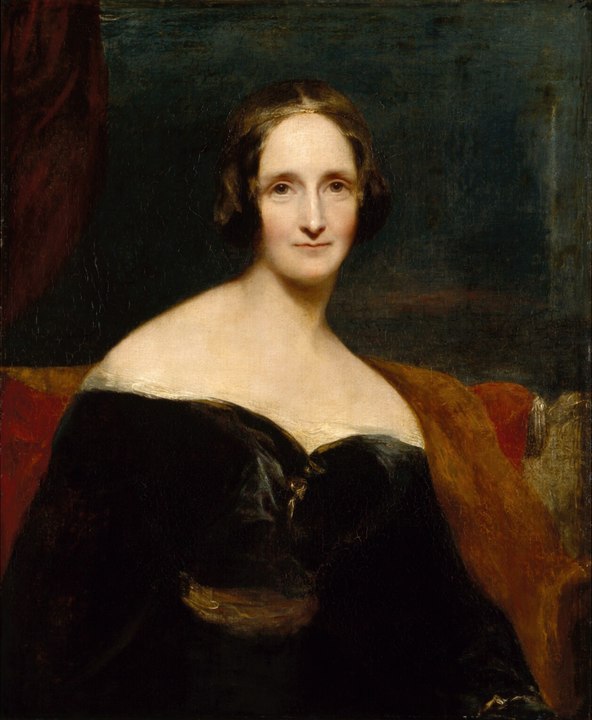
The Gothic tradition blossomed into the genre that modern readers today call horror literature in the 19th century.  Influential works and characters that continue resonating in fiction and film today saw their genesis in the Brothers Grimm’s Hansel and Gretel (1812), Mary Shelley’s Frankenstein (1818), John Polidori’s The Vampyre (1819), Charles Maturin’s Melmoth the Wanderer (1820), Washington Irving’s The Legend of Sleepy Hollow (1820), Jane C. Loudon’s The Mummy!: Or a Tale of the Twenty-Second Century (1827), Victor Hugo’s The Hunchback of Notre Dame (1831), Thomas Peckett Prest’s Varney the Vampire (1847), the works of Edgar Allan Poe, the works of Sheridan Le Fanu, Robert Louis Stevenson’s Strange Case of Dr Jekyll and Mr Hyde (1886), Oscar Wilde’s The Picture of Dorian Gray (1890), H. G. Wells’ The Invisible Man (1897), and Bram Stoker’s Dracula (1897).  Each of these works created an enduring icon of horror seen in later re-imaginings on the page, stage and screen.

Image by Richard Rothwell via wikipedia and is in the public domain

Mary Shelley By Richard Rothwell.

20th Century

A proliferation of cheap periodicals around the turn of the century led to a boom in horror writing.  For example, Gaston Leroux serialised his Le Fantome de l’Opera (The Phantom Of The Opera) before it became a novel in 1910.   One writer who specialised in horror fiction for mainstream pulps, such as All-Story Magazine, was Tod Robbins, whose fiction deals with themes of madness and cruelty.  In Russia, the writer Alexander Belyaev popularised these themes in his story Professor Dowell’s Head (1925), in which a mad doctor performs experimental head transplants and reanimations on bodies stolen from the morgue, and which was first published as a magazine serial before being turned into a novel.  Later, specialist publications emerged to give horror writers an outlet, prominent among them were Weird Tales and Unknown Worlds.

Influential horror writers of the early 20th century made inroads into these mediums.  Particularly, the venerated horror author H. P. Lovecraft, and his enduring Cthulhu Mythos transformed and popularised the genre of cosmic horror, and M. R. James is credited with redefining the ghost story in that era.

The serial murderer became a recurring theme.  Yellow journalism and sensationalism of various murderers, such as Jack the Ripper, and lesser so, Carl Panzram, Fritz Haarman, and Albert Fish, all perpetuated this phenomenon.  The trend continued in the postwar era, partly renewed after the murders committed by Ed Gein.  In 1959, Robert Bloch, inspired by the murders, wrote Psycho.  The crimes committed in 1969 by the Manson Family influenced the slasher theme in horror fiction of the 1970’s.  In 1981, Thomas Harris wrote Red Dragon, introducing Dr. Hannibal Lecter.  In 1988, the sequel to that novel, The Silence of the Lambs, was published.

Early cinema was inspired by many aspects of horror literature and started a strong tradition of horror films and subgenres that continues to this day.  Up until the graphic depictions of violence and gore on the screen commonly associated with 1960’s and 1970’s slasher films and splatter films, comic books such as those published by EC Comics (most notably Tales From The Crypt) in the 1950’s satisfied readers’ quests for horror imagery that the silver screen could not provide.  This imagery made these comics controversial, and as a consequence, they were frequently censored.

The modern zombie tale dealing with the motif of the living dead harks back to works including H. P. Lovecraft’s stories Cool Air (1925), In The Vault (1926), and The Outsider (1926), and Dennis Wheatley’s Strange Conflict (1941).  Richard Matheson’s novel I Am Legend (1954) influenced an entire genre of apocalyptic zombie fiction emblematized by the films of George A. Romero.

In the late 1960’s and early 1970’s, the enormous commercial success of three books – Rosemary’s Baby (1967) by Ira Levin, The Exorcist by William Peter Blatty, and The Other by Thomas Tryon encouraged publishers to begin releasing numerous other horror novels, thus creating a horror boom.

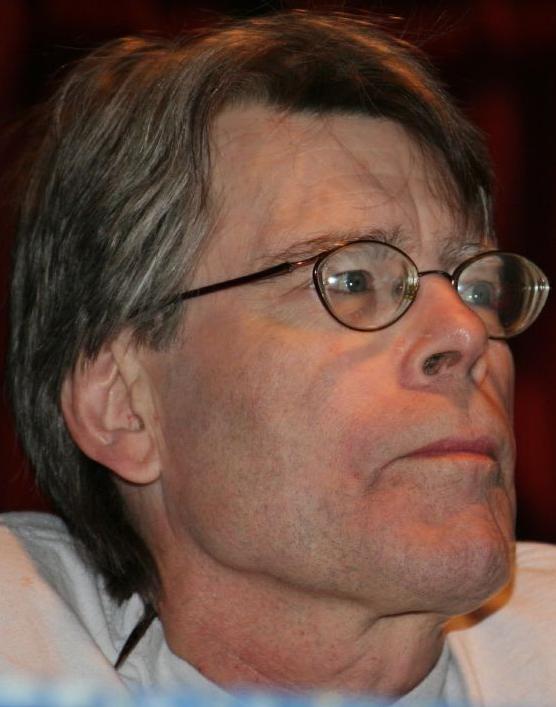
One of the best-known late-20th-century horror writers is Stephen King, known for Carrie, The Shining, It, Misery and several dozen other novels and about 200 short stories.  Beginning in the 1970’s, King’s stories have attracted a large audience, for which he was awarded by the U.S. National Book Foundation in 2003.  Other popular horror authors of the period included Anne Rice, Brian Lumley, Graham Masterton, James Herbert, Dean Koontz, Richard Laymon, Clive Barker, Ramsey Campbell, and Peter Straub.

Image © Pinguino Kolb via Wikipedia

Stephen King.

This photo of King was taken at the 2007 New York Comicon in America.

21st Century

Best-selling book series of contemporary times exist in genres related to horror fiction, such as the werewolf fiction urban fantasy Kitty Norville books by Carrie Vaughn (2005 onward).  Horror elements continue to expand outside the genre.  The alternate history of more traditional historical horror in Dan Simmons’s 2007 novel The Terror sits on bookstore shelves next to genre mash-ups such as Pride and Prejudice and Zombies (2009), and historical fantasy and horror comics such as Hellblazer (1993 onward) and Mike Mignola’s Hellboy (1993 onward).  Horror also serves as one of the central genres in more complex modern works such as Mark Z. Danielewski’s House of Leaves (2000), a finalist for the National Book Award.  There are many horror novels for children and teens, such as R. L. Stine’s Goosebumps series or The Monstrumologist by Rick Yancey.  Additionally, many movies for young audiences, particularly animated ones, use horror aesthetics and conventions, for example, ParaNorman. These are what can be collectively referred to as children’s horror.  Although it is unknown for sure why children enjoy these movies (as it seems counter-intuitive), it is theorised that it is, in part, grotesque monsters that fascinate kids.  Tangential to this, the internalised impact of horror television programs and films on children is rather under-researched, especially when compared to the research done on the similar subject of violence in TV and film’s impact on the young mind.  What little research there is tends to be inconclusive on the impact that viewing such media has.

Related Genres

Horror Characteristics

One defining trait of the horror genre is that it provokes an emotional, psychological, or physical response within readers that causes them to react with fear.  One of H. P. Lovecraft’s most famous quotes about the genre is “The oldest and strongest emotion of mankind is fear, and the oldest and strongest kind of fear is fear of the unknown.”.  This is the first sentence from his seminal essay, Supernatural Horror in Literature.  Science fiction historian Darrell Schweitzer has stated, “In the simplest sense, a horror story is one that scares us” and “the true horror story requires a sense of evil, not in necessarily in a theological sense, but the menaces must be truly menacing, life-destroying, and antithetical to happiness.”

In her essay Elements of Aversion, Elizabeth Barrette articulates the need by some for horror tales in a modern world.  She says, “The old fight or flight reaction of our evolutionary heritage once played a major role in the life of every human.  Our ancestors lived and died by it.  Then someone invented the fascinating game of civilization, and things began to calm down. Development pushed wilderness back from settled lands.  War, crime, and other forms of social violence came with civilization and humans started preying on each other, but by and large daily life calmed down.  We began to feel restless, to feel something missing, the excitement of living on the edge, the tension between hunter and hunted.  So we told each other stories through the long, dark nights. when the fires burned low, we did our best to scare the daylights out of each other.  The rush of adrenaline feels good.  Our hearts pound, our breath quickens, and we can imagine ourselves on the edge.  Yet we also appreciate the insightful aspects of horror. Sometimes a story intends to shock and disgust, but the best horror intends to rattle our cages and shake us out of our complacency.  It makes us think, forces us to confront ideas we might rather ignore, and challenges preconceptions of all kinds.  Horror reminds us that the world is not always as safe as it seems, which exercises our mental muscles and reminds us to keep a little healthy caution close at hand.”

In a sense similar to the reason a person seeks out the controlled thrill of a roller coaster, readers in the modern era seek out feelings of horror and terror to feel a sense of excitement.  However, Barrette adds that horror fiction is one of the few mediums where readers seek out a form of art that forces themselves to confront ideas and images they “might rather ignore to challenge preconceptions of all kinds.”

One can see the confrontation of ideas that readers and characters would rather ignore throughout literature in famous moments such as Hamlet’s musings about the skull of Yorick, its implications of the mortality of humanity, and the gruesome end that bodies inevitably come to.  In horror fiction, the confrontation with the gruesome is often a metaphor for the problems facing the current generation of the author.

There are many theories as to why people enjoy being scared. For example, people who like horror films are more likely to score highly for openness to experience, a personality trait linked to intellect and imagination.

It is a now commonly accepted view that the horror elements of Dracula’s portrayal of vampirism are metaphors for sexuality in a repressed Victorian era.  But this is merely one of many interpretations of the metaphor of Dracula.  Jack Halberstam postulates many of these in his essay Technologies of Monstrosity: Bram Stoker’s Dracula.  He writes, “[The] image of dusty and unused gold, coins from many nations and old unworn jewels, immediately connects Dracula to the old money of a corrupt class, to a kind of piracy of nations and to the worst excesses of the aristocracy.”

Halberstram articulates a view of Dracula as manifesting the growing perception of the aristocracy as an evil and outdated notion to be defeated.  The depiction of a multinational band of protagonists using the latest technologies (such as a telegraph) to quickly share, collate, and act upon new information is what leads to the destruction of the vampire.  This is one of many interpretations of the metaphor of only one central figure of the canon of horror fiction, as over a dozen possible metaphors are referenced in the analysis, from the religious to the antisemitic.

Noel Carroll’s Philosophy of Horror postulates that a modern piece of horror fiction’s monster, villain, or a more inclusive menace must exhibit the following two traits which is a menace that is threatening (either physically, psychologically, socially, morally, spiritually, or some combination of the aforementioned) and a menace that is impure (that violates the generally accepted schemes of cultural categorisation.  

Image by John Tenniel via Wikipedia and is in the public domain

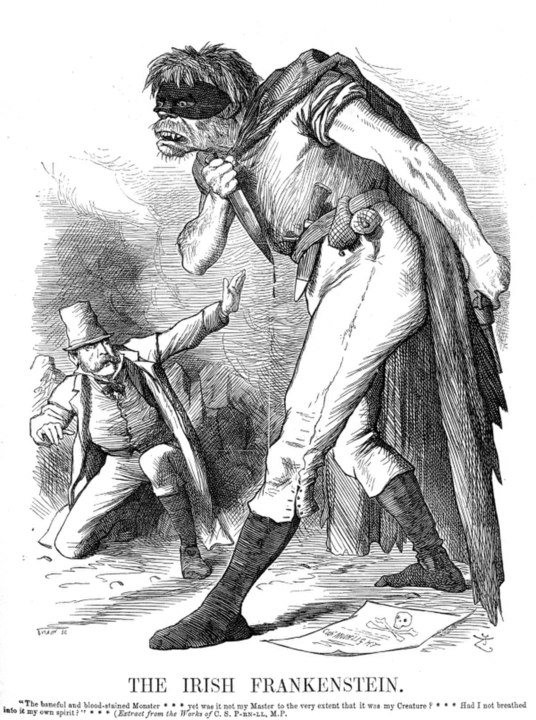
The Irish Frankenstein by John Tenniel.

This illustration is from an 1882 issue of Punch and is anti-Irish propaganda.  Tenniel conceives the Irish Fenian movement as akin to Frankenstein’s monster, in the wake of the Phoenix Park killings.  Menacing villains and monsters in horror literature can often be seen as metaphors for the fears incarnate of a society.

Scholarship And Criticism

In addition to those essays and articles shown above, scholarship on horror fiction is almost as old as horror fiction itself.  In 1826, the gothic novelist Ann Radcliffe published an essay distinguishing two elements of horror fiction, terror and horror.  Whereas terror is a feeling of dread that takes place before an event happens, horror is a feeling of revulsion or disgust after an event has happened.  Radcliffe describes terror as that which expands the soul and awakens the faculties to a high degree of life, whereas horror is described as that which freezes and nearly annihilates them.

Modern scholarship on horror fiction draws upon a range of sources.  In their historical studies of the gothic novel, both Devandra Varma and S.L. Varnado make reference to the theologian Rudolf Otto, whose concept of the numinous was originally used to describe religious experience.

Awards And Associations

Achievements in horror fiction are recognised by numerous awards.  The Horror Writers Association presents the Bram Stoker Awards for Superior Achievement, named in honour of Bram Stoker, author of the seminal horror novel Dracula.  The Australian Horror Writers Association presents the annual Australian Shadows Awards.  The International Horror Guild Award was presented annually to works of horror and dark fantasy from 1995 to 2008.  The Shirley Jackson Awards are literary awards for outstanding achievement in the literature of psychological suspense, horror, and dark fantastic works.  Other important awards for horror literature are included as subcategories within general awards for fantasy and science fiction in such awards as the Aurealis Award.

Alternative Terms

Some writers of fiction normally classified as horror tend to dislike the term, considering it too lurid.  They instead use the terms dark fantasy or Gothic fantasy for supernatural horror, or psychological thriller for non-supernatural horror.

Horror Films Since The 1890’s

For more Horror film lists click here.

Read more about Horror and notes etc. regarding the above post here.

The above articles and the rest of the images on this page were sourced from Wikipedia and are subject to change.

Blog Posts

Links

Alexas_Fotos on Pixabay – The image shown at the top of this page is the copyright of Alexas_Fotos.  You can find more great work from the photographer Alexa and lots more free stock photos at Pixabay.

The image above of The Raven by Gustave Dore is via Wikipedia and is in the public domain.

The image above of Vlad the Impaler is unknown via Wikipedia and is in the public domain.

The image above of Horace Walpole by Joshua Reynolds is via Wikipedia and is in the public domain. 

The image above of Athenodorus by Henry Justice Ford is via Wikipedia and is in the public domain.

The image above of Mary Shelley by Richard Rothwell is via Wikipedia and is in the public domain.

The image shown above of Stephen King is the copyright of Wikipedia user Pinguino Kolb.  It comes with a Creative Commons licence (CC BY-SA 2.0)

The image above of The Irish Frankenstein by John Tenniel is via Wikipedia and is in the public domain.

Universal Pictures – U.K. official website.

Universal Pictures on YouTube.

Universal Pictures on Facebook.

Universal Pictures on Twitter.

Universal Studios – Official website.

Universal Studios on YouTube.

Universal Studios on Facebook.

Universal Studios on Twitter